
Phyllosticta hop leaf spot
Phyllosticta humuli
Description
How to identify
The disease is caused by the fungus Phyllosticta humuli, which belongs to the Ascomycota division. This pathogen is categorized as an imperfect fungus that reproduces via pycniospores.
The fungal mycelium develops within the leaf tissues, entering through stomata or mechanical wounds on the epidermis. It thrives in the parenchyma, consuming nutrients from the host cells.
In the infected areas, the fungus produces pycnidia — small, black, flask-shaped structures that contain masses of spores ready for dispersal.
The pathogen overwinters primarily in dead leaf tissue and plant debris, remaining viable until the next growing season when environmental conditions become suitable.
Diagnostic identification typically involves microscopic examination of the pycnidia found on the necrotic spots, confirming the presence of the specific pathogen.
What it damages
Phyllosticta leaf spot primarily impacts the foliage of the hop plant, causing significant reduction in photosynthetic area and overall plant vigor.
Severe infestations lead to premature defoliation, which limits the plant's ability to produce high-quality cones and store carbohydrates for the following year.
When the infection spreads to the bracts of the hop cones, the market value of the crop is severely compromised, rendering it unsuitable for brewing.
Chronic annual infections weaken the rhizome system, reducing the plant's tolerance to environmental stresses and significantly shortening the productive lifespan of the hop yard.
Yield losses are direct consequences of reduced leaf surface area, which affects the chemical profile, including alpha-acid content, in the final hop harvest.
When it appears
The disease cycle begins in late spring when the overwintered spores germinate under the influence of increasing temperatures and consistent moisture.
The peak of the infection usually occurs during the mid-summer months, particularly during periods of frequent rainfall, high humidity, and heavy dew.
Optimal development for Phyllosticta humuli requires temperatures ranging from 20 to 25 degrees Celsius, providing the perfect environment for rapid spore production.
Rain splashes and wind currents facilitate the dispersal of spores from the lower canopy to the upper parts of the hop plants, accelerating the spread of the disease.
As autumn approaches and temperatures drop, the fungus retreats into a resting state, sequestering within fallen leaves and soil debris to survive the winter dormancy.
Signs of infestation
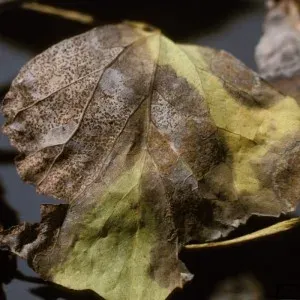
Initial symptoms present as small, circular or irregular spots on the leaf surface, which typically exhibit a light brown or yellowish tan center.
A distinctive dark brown or purplish margin surrounds the spots, creating a clear demarcation between the healthy tissue and the necrotic lesion.
Over time, the center of the spot may become papery, brittle, and eventually fall out, resulting in a shot-hole appearance that resembles insect feeding damage.
The presence of minute, black, pimple-like structures (pycnidia) scattered across the center of the lesions on the upper leaf surface is a definitive visual sign.
If the infection extends to the petioles, it can cause the entire leaf to wilt and die, leading to significant foliage loss throughout the plant canopy.
Control measures
Effective sanitation is paramount, involving the removal and destruction of fallen leaves and crop residues to eliminate the primary sources of overwintering inoculum.
Proper canopy management, including timely pruning and training of bines, improves airflow and sunlight penetration, which promotes faster drying of leaves after rain.
Fungicide applications, particularly those containing copper or systemic active ingredients, can be used to protect plants during periods of high infection risk.
Adopting resistant cultivars is the most sustainable approach to long-term management, reducing the need for chemical intervention in hop production systems.
Maintaining adequate plant nutrition and balanced moisture levels helps bolster the host's natural defenses against secondary pathogens and environmental stress.
Causes diseases · 1
Discussion
No discussions yet — be the first.