
Potentilla rust
Phragmidium potentillae
Description
How to identify
Potentilla rust is a fungal disease caused by the pathogen Phragmidium potentillae, a specialized basidiomycete fungus. It is a highly host-specific parasite that exclusively targets the Potentilla genus.
The fungus is characterized by a multi-stage life cycle involving different types of spores. This biological complexity allows the pathogen to adapt effectively to changing environmental conditions throughout the growing season.
As an obligate biotroph, the fungus extracts nutrients from the living cells of the host, which directly impacts the plant's metabolic processes and overall vigor.
Taxonomically, it belongs to the Phragmidiaceae family. The mycelium grows intercellularly, eventually erupting through the leaf epidermis to produce reproductive structures known as sori or pustules.
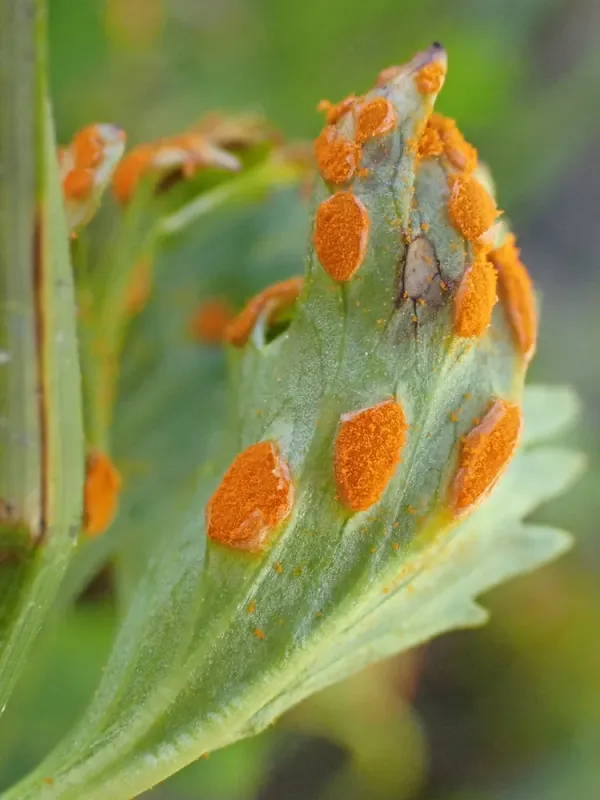
Proper identification requires examining the underside of the leaves. The presence of powdery, rust-colored spores is a diagnostic feature of this fungal infection, distinguishing it from other leaf spots.
What it damages
The primary hosts are various species of Cinquefoil (Potentilla), which are widely valued as ornamental shrubs for their long flowering period and versatility in landscaping.
Heavy infections cause significant aesthetic damage, leading to chlorosis, leaf curl, and premature defoliation, which ruins the appearance of the shrubs in garden displays.
Beyond visual decline, the disease affects the plant's physiological ability to perform photosynthesis, leading to reduced carbohydrate reserves needed for winter survival.
In nursery settings, outbreaks can lead to substantial losses as infected stock becomes unsellable due to poor quality and weakened root systems.
While rarely fatal to healthy, established shrubs, the chronic stress from recurring rust infections makes the plants highly susceptible to secondary pathogens and abiotic stressors.
When it appears
The development of the fungus typically begins in late spring or early summer, triggered by moderate temperatures and the presence of moisture on the foliage.
Infection starts when overwintering spores are splashed onto susceptible leaf surfaces by rainfall or dispersed by wind currents during humid weather.
Throughout the summer, the pathogen undergoes multiple cycles of asexual reproduction, producing new batches of spores that allow for rapid secondary infections across the plantation.
Conditions of high relative humidity, such as prolonged morning dew or rainy spells, are ideal for the germination of spores and the penetration of fungal hyphae.
Towards the end of the season, the fungus switches to producing teliospores. These robust, thick-walled spores are designed to survive the dormant winter months in debris.
Signs of infestation
The first signs are small, yellow to light-green spots on the upper leaf surface, which correspond to the growth of the fungus inside the leaf tissue.
On the lower leaf surface, distinct pustules develop. Initially, these are bright orange, filled with masses of urediniospores that easily rub off if touched.
As the season progresses, the pustules turn dark brown or black, signaling the maturation of teliospores and the end of the active infection cycle for the current year.
Severely infected leaves may develop necrotic lesions, dry out, and drop prematurely, resulting in sparse foliage and an overall weak, stunted appearance of the shrub.
In advanced cases, the infection may spread to petioles and soft green stems, causing slight swelling or deformation in the affected plant parts.
Control measures
Sanitation is the cornerstone of management; removing and destroying all fallen leaves at the end of the season is essential to minimize the primary inoculum source.
Promoting good airflow is critical. Proper spacing and regular pruning help reduce humidity within the plant canopy, making the environment less favorable for the fungus.
Chemical control involving systemic fungicides, such as those containing myclobutanil or tebuconazole, can be used to manage significant outbreaks in ornamental gardens.
- Space plants appropriately to ensure good air circulation.
- Water at the base of the plant to avoid wetting the foliage.
- Apply preventive fungicides early in the season if local history suggests recurrent infections.
Using resistant cultivars and ensuring plants are well-fed with balanced nutrients helps improve the shrub's natural resilience against minor rust outbreaks.
Causes diseases · 1
Discussion
No discussions yet — be the first.