
Asparagus stem blight
Phomopsis asparagi
Description
How to identify
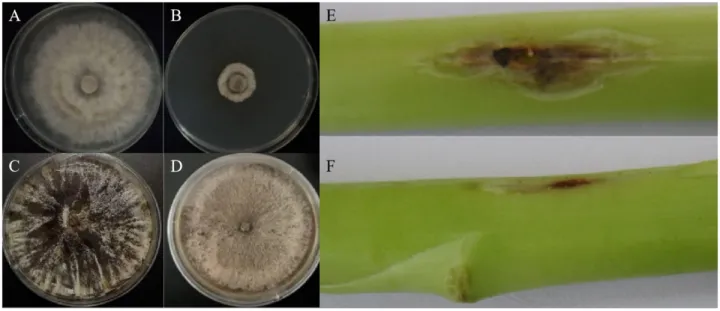
The causal agent of asparagus stem blight is the fungus Phomopsis asparagi (teleomorph Diaporthe asparagi). It is a significant phytopathogen specifically targeting Asparagus officinalis crops globally.
The fungus reproduces via pycnidia, which are small fruiting bodies containing conidia. These spores are primary inoculum, dispersed by water splashes during rainfall and irrigation, as well as by wind gusts within the field.
The pathogen is highly persistent, capable of surviving for several years in infested plant debris left in the soil. This longevity necessitates rigorous field management to break the infection cycle.
Favorable conditions for fungal development include high humidity, stagnant air, and moderate temperatures. Under these conditions, the incubation period shortens, leading to rapid disease spread.
Laboratory diagnosis is recommended for accurate identification, as the symptoms caused by Phomopsis asparagi can sometimes be confused with those induced by other fungi like Fusarium species.
What it damages
The disease affects both the tender young spears and the fully developed ferns of the asparagus plant. It causes lesions that restrict nutrient transport and significantly stunt the plant's growth.
Economic damage is twofold: direct loss of marketable spears and long-term reduction in the vigor of the asparagus crown, leading to smaller yields in subsequent harvesting seasons.
Severe infestations cause premature drying of the stems. If the ferns die back too early in the season, the plant fails to synthesize enough carbohydrates to replenish its rhizome for winter survival.
The weakened plant tissue is highly susceptible to secondary infections, often resulting in complex decay of the crown. In extreme cases, entire sections of a plantation may need to be removed.
Quality reduction is a major issue, as affected spears are often deformed or spotted, making them unsuitable for fresh market sales and significantly lowering the profit margin for the grower.
Signs of infestation
Initial symptoms appear as small, tan-colored, or brown lesions on the stems. These lesions gradually expand and may become elongated, eventually girdling the stem and causing it to collapse.
A diagnostic characteristic is the formation of small, black, pinhead-sized pycnidia within the center of the lesions. These are easily visible with a magnifying lens and confirm the presence of the pathogen.
In humid weather, the infected stem tissues become brittle and prone to cracking. This physical damage allows pathogens to invade deeper, resulting in the localized browning and wilting of the fronds.
Affected plants often show a yellowing of the foliage, which starts from the base and moves upwards. This discoloration is followed by the premature shedding of cladodes, giving the fern a scorched appearance.
At the base of the plant, stem blight can cause rot that moves into the rhizomes. This results in weak, stunted shoots during the following spring, indicating that the entire crown is compromised.
Control measures
Crop rotation is the most effective cultural practice to manage Phomopsis asparagi. A rotation interval of at least 5–7 years away from asparagus is recommended to allow the inoculum in the soil to decline.
Starting with certified disease-free transplants is critical. Growers should ensure that their planting material is sourced from reputable nurseries that employ strict sanitation protocols.
Sanitation after the harvest is essential. Removing all crop debris, including dead stems and roots from the field, helps minimize the amount of overwintering inoculum present for the next season.
Improving air circulation within the field by managing planting density and controlling weeds helps reduce the humidity levels that favor fungal growth, creating a less hospitable environment for the pathogen.
Chemical control programs involving the strategic application of fungicides during the spear-elongation and fern-growth stages are necessary, especially in regions with high rainfall or heavy dew patterns.
Causes diseases · 1
Discussion
No discussions yet — be the first.