
Penicillium
Penicillium
Description
How to identify
The genus Penicillium belongs to the kingdom Fungi, phylum Ascomycota. While many species are harmless saprotrophs, some act as significant plant pathogens causing post-harvest diseases.
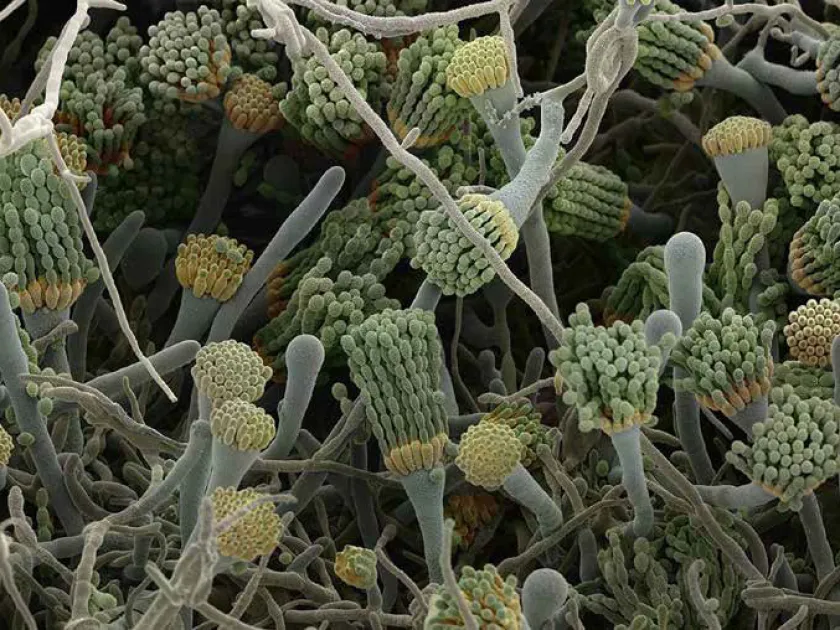
The fungus is characterized by a vegetative mycelium that is typically white, spreading rapidly over the substrate. The most recognizable feature is the mass production of conidia, creating a characteristic blue-green or olive-colored powdery appearance.
Under a microscope, Penicillium species show distinctive conidiophores that branch in a broom-like structure, known as a penicillus, which is the defining characteristic of this genus.
Identifying the specific species requires laboratory culture, as many species are morphologically similar and often coexist in the same environment, forming a complex of storage molds.
These fungi are extremely resilient, capable of surviving in diverse environments and enduring varying temperature and humidity levels, which contributes to their persistence in agricultural settings.
What it damages
Penicillium causes extensive damage to various crops, including potatoes, apples, citrus fruits, and onions, leading to severe rot and spoilage during the storage process.
A major agricultural concern is seed mold in cereals and other crops. The fungus infects seeds, colonizing the germ and endosperm, which significantly reduces germination rates and seedling vigor.
Decaying plant tissues become soft and watery or dry depending on the host, often emitting a musty, earthy odor. This spoilage renders the produce unfit for market or consumption.
Once established in a storage facility, the fungus spreads rapidly from one affected unit to healthy produce through airborne spores and physical contact, potentially destroying entire batches.
Beyond physical damage, many Penicillium species produce harmful mycotoxins, such as patulin or ochratoxins, which pose serious health risks to both humans and livestock.
When it appears
The pathogen is most destructive during the storage phase, particularly in environments where temperature and humidity are poorly regulated after harvest.
Primary infection frequently occurs during the harvesting process if produce is bruised or damaged, allowing the opportunistic pathogen to colonize the exposed inner tissues.
High humidity levels (exceeding 80%) are essential for the rapid germination of conidia and the subsequent colonization of host tissues by the fungal hyphae.
While the optimal temperature range for most species is 15-25°C, they can remain active even at lower temperatures, complicating storage management in non-refrigerated facilities.
The life cycle involves the production of millions of spores that are easily disseminated by air currents, splashing water, or contaminated equipment, ensuring rapid secondary spread.
Signs of infestation
The initial symptom is a white, velvety mycelial growth on the surface, which subsequently turns to a powdery blue-green, grey, or olive as the conidia mature.
In fleshy produce like tubers or fruits, infected areas become depressed and discolored, often with visible mycelium inside the tissue, which may eventually hollow out the center.
Seed-borne infection is indicated by the darkening or discoloration of the embryo and the presence of mold on the surface of the seed coat, hindering normal development.
A strong, musty, damp odor in storage rooms is a diagnostic sign of active fungal growth, often alerting managers to the presence of an infection before visible symptoms appear.
Concentric rings of fungal growth may appear on the surface of fruits under high humidity, reflecting the expansion of the colony from the point of initial infection.
Control measures
Effective control starts with strict environmental management: maintaining low humidity and proper aeration in storage facilities inhibits fungal sporulation.
Minimizing mechanical damage during harvest and transit is critical, as skin integrity is the plant's primary natural barrier against Penicillium infection.
Seed treatment with professional-grade fungicides is essential for protecting crop establishment and preventing the spread of seed-borne inoculum to the field.
- Rigorous sanitation of storage facilities, containers, and tools using approved disinfectants.
- Careful grading and sorting to remove any damaged or already infected specimens.
- Regular inspections of stored goods to detect and remove infected pockets early.
Biocontrol agents, such as specific strains of Trichoderma, have proven effective as a sustainable alternative to chemical fungicides in managing post-harvest mold in certain crops.
Causes diseases · 1
Discussion
No discussions yet — be the first.