
Passionfruit woodiness
Passionfruit woodiness
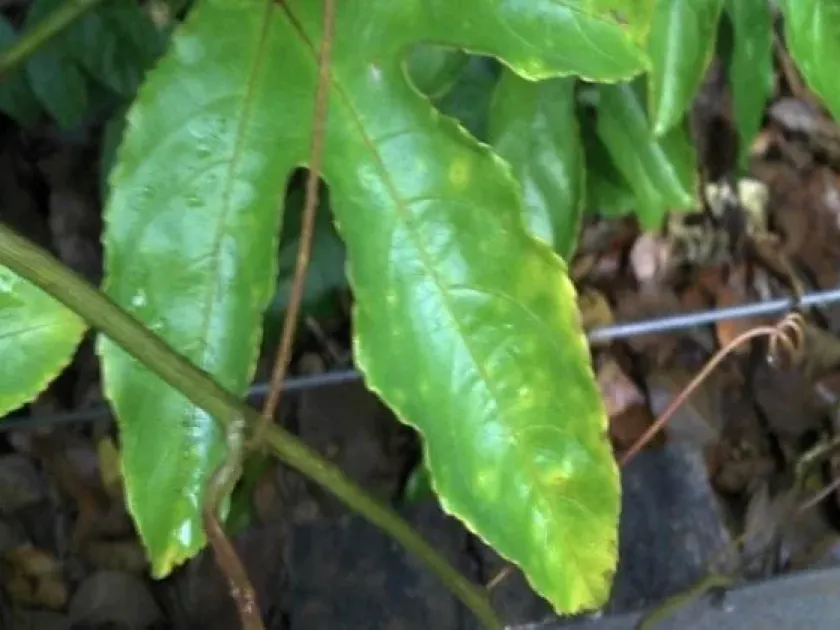
Description
How to identify
Passionfruit woodiness is caused by the Passionfruit woodiness virus (PWV), a member of the genus Potyvirus. It is a major viral pathogen affecting the production of passionfruit (Passiflora edulis) in tropical and subtropical regions worldwide.
The virus is a single-stranded RNA virus with a narrow host range, primarily infecting species within the Passifloraceae family. It is known to persist in various wild passionfruit species, which act as important reservoirs for the virus.
The primary transmission mechanism is via aphid vectors, such as Myzus persicae, in a non-persistent manner. This means aphids can acquire and transmit the virus after feeding on an infected plant for only a few seconds, facilitating rapid spread within a field.
Mechanical transmission also plays a significant role in the dissemination of the virus. Contaminated pruning tools, harvesting equipment, or even contact between foliage during windy conditions can lead to the spread of the pathogen throughout a plantation.
The development of the disease is highly influenced by climatic conditions. Warm weather that favors aphid activity typically correlates with higher incidence rates, while the expression of symptoms is often more pronounced in stressed plants.
What it damages
The most devastating impact of the virus is on fruit quality. Affected fruit exhibits a thickened, hard, and woody pericarp, which significantly reduces the market value and makes the fruit aesthetically and culinary unacceptable.
Internal fruit development is severely compromised, characterized by a reduction in pulp volume and the presence of underdeveloped or hollow seeds. This leads to substantial yield losses, often rendering the crop commercially unviable.
In addition to fruit symptoms, the plant itself experiences systemic growth retardation. Infected vines show reduced vigor, stunted shoot growth, and premature senescence, leading to a shortened economic lifespan of the passionfruit plantation.
Vines weakened by the virus become more susceptible to other biotic stresses. Secondary infections by fungal pathogens, such as Fusarium oxysporum, are more prevalent in virus-infected plants due to their compromised immune response.
Economic impact is high, as producers must frequently replace entire blocks of infected vines, coupled with the ongoing costs of managing aphid populations and implementing rigorous hygiene practices.
Signs of infestation
Early leaf symptoms typically include mosaic patterns, chlorotic mottling, and vein banding. The leaves often appear deformed, crinkled, or blistered, reflecting the systemic nature of the viral infection throughout the vascular system of the plant.
Stunted growth is a hallmark of the infection. Infected vines produce shorter internodes and smaller leaves compared to healthy counterparts, giving the plants a bushy or rosetted appearance in severe cases.
Fruit woodiness is the most diagnostic symptom. As the fruit matures, the skin becomes irregular, hard, and woody to the touch, often displaying a bumpy surface. This woody texture is due to the abnormal development of the sclerenchyma tissue in the fruit wall.
Symptoms are often more visible during rapid growth phases. While mild infections may be asymptomatic, environmental stress can trigger the appearance of mosaic symptoms on the leaves and exacerbate the woody characteristics of the fruit.
- Mosaic and chlorotic patterns on leaves.
- Deformed, crinkled, or puckered foliage.
- Thickened, woody, and malformed fruit skin.
- Reduced pulp content in maturing fruit.
- Overall stunting and loss of vine vigor.
Control measures
Since there are no curative measures for viral infections in plants, management focuses on prevention and exclusion. The use of certified, virus-free nursery stock is the cornerstone of any successful passionfruit production program.
Aphid management is crucial to reducing the primary spread of the virus. Implementing integrated pest management (IPM) practices, such as using reflective mulches or selective insecticides, can minimize aphid feeding and viral transmission.
Sanitary practices must be strictly enforced. All symptomatic plants should be identified, rogued, and destroyed immediately to prevent them from becoming an infection reservoir for the rest of the crop.
Tools used for pruning and harvesting must be disinfected regularly using suitable solutions, such as alcohol or bleach, to prevent mechanical transfer of the virus between healthy and infected vines during field operations.
Future control strategies include the development of resistant cultivars through traditional breeding or biotechnological methods. Maintaining clean surrounding areas, free of alternative wild hosts, is also essential for sustainable disease control.
Causes diseases · 1
Discussion
No discussions yet — be the first.