
Passiflora chlorotic spot virus
Passiflora chlorotic
Description
How to identify
The Passiflora chlorotic spot virus (PCSV) is a significant plant pathogen belonging to the Ilarvirus genus within the Bromoviridae family.
This virus primarily affects species within the Passiflora genus, causing systemic infections that impact plant vitality.
Being an RNA virus, it replicates within the host's cells, spreading through the vascular system to all plant organs.
Transmission occurs through infected cuttings, seeds, and potentially through insect vectors like aphids or mechanical contact.
Accurate identification requires molecular diagnostic techniques like RT-PCR to distinguish it from other viral or nutritional disorders.
What it damages
The primary economic host of this virus is the passion fruit plant (Passiflora edulis), which is highly susceptible to various viral pathogens.
Damage is typically characterized by stunted growth and significantly reduced fruit yield and quality.
The virus compromises the plant's metabolism, making it more prone to secondary infections and environmental stresses.
In commercial orchards, widespread infection can lead to the total loss of productivity and the need for early replanting.
The overall longevity of the perennial crop is reduced, impacting the long-term profitability of the plantation.
Signs of infestation
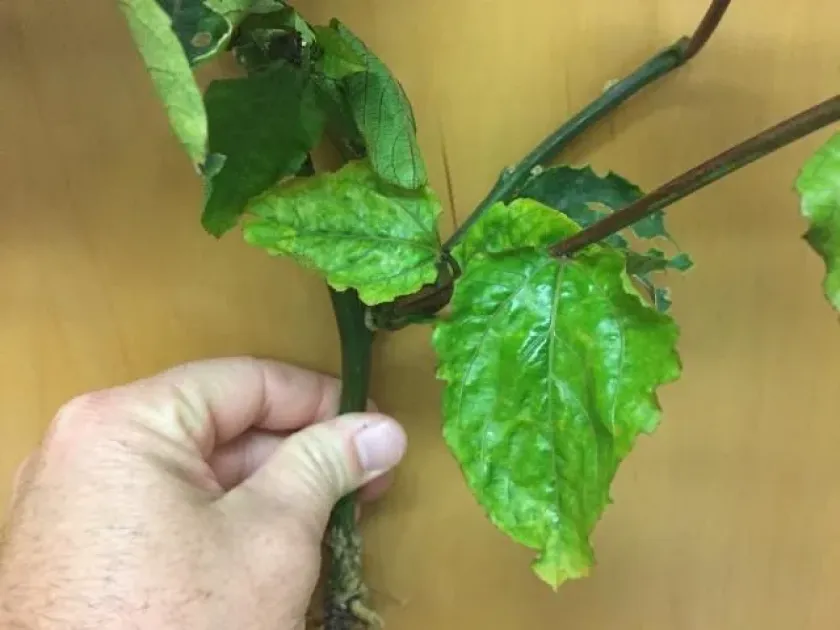
Symptoms often include distinct chlorotic spots, streaks, or mosaic patterns on the leaf surfaces.
Affected plants may exhibit leaf curling, distortion, and a reduction in leaf size, which limits the photosynthetic area.
Shortened internodes and stunted apical growth are common signs of severe systemic infection.
Fruit development may be negatively affected, showing internal necrosis or surface irregularities.
- Chlorotic mottling
- Mosaic leaf patterns
- Leaf distortion and curling
- Stunted plant development
Control measures
The cornerstone of managing PCSV is the use of virus-indexed, certified healthy planting material.
Strict phytosanitary measures, including the immediate roguing and removal of symptomatic plants, are essential to limit spread.
Vector management strategies, focusing on the control of aphids and other sap-sucking insects, help reduce field transmission.
Sanitation practices, such as disinfecting tools between plants, are critical to prevent mechanical transmission during pruning.
Currently, there is no direct cure for established viral infections, making preventive strategies the only effective way to protect crop yield.
Causes diseases · 1
Discussion
No discussions yet — be the first.