
Mycosphaerella punctiformis
Mycosphaerella punctiformis
Description
How to identify
Mycosphaerella punctiformis is a fungal pathogen classified within the Dothideomycetes class. As a member of the Ascomycota division, it is primarily known for causing leaf spot diseases on various plant species, particularly woody plants and deciduous trees.
The organism functions as both a saprotroph, utilizing decaying organic matter, and a necrotrophic parasite. It develops a mycelium that permeates plant tissues, eventually producing reproductive structures known as pseudothecia.
Its life cycle involves the formation of ascospores, which are ejected from the pseudothecia into the atmosphere. This mechanism allows the fungus to disperse across fields and forests efficiently, ensuring the continuation of the infection cycle.
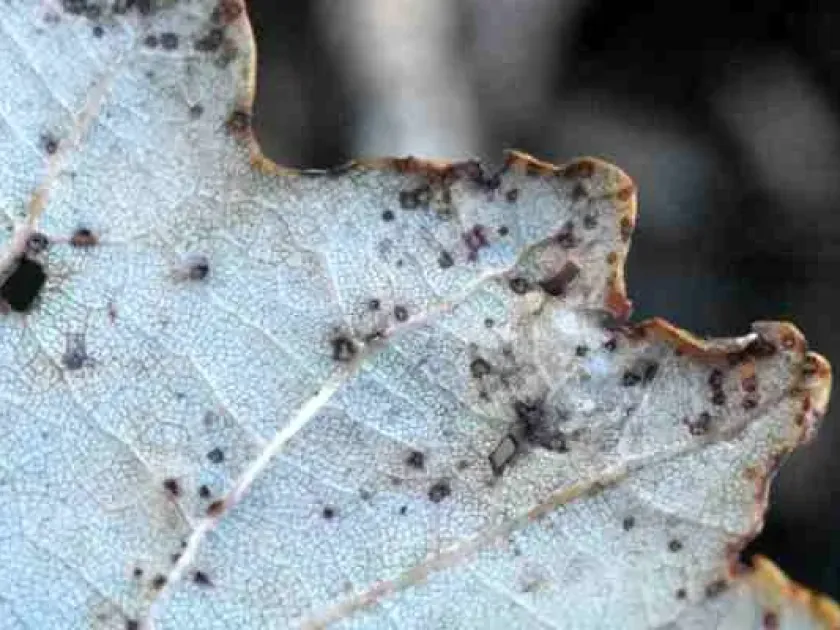
Biological identification of this species is based on the morphological characteristics of its fruiting bodies. The appearance of small, dark, puncture-like dots on leaves is a hallmark of this pathogen, distinguishing it from other similar fungi.
This fungus is widely distributed in temperate climates, where seasonal changes provide the necessary triggers for its various developmental stages, particularly during the transition from winter dormancy to active spring growth.
What it damages
The primary hosts for Mycosphaerella punctiformis include various deciduous trees like oak and beech, though it can also affect secondary agricultural crops. The damage is largely concentrated on the foliage, which acts as the main photosynthetic organ.
Infection results in chlorosis and subsequent necrosis of leaf tissue. As the spots expand and coalesce, significant portions of the leaf surface are destroyed, drastically reducing the plant's ability to produce energy through photosynthesis.
Severe infestations lead to premature leaf drop, which weakens the plant significantly. This stress makes the host more susceptible to other abiotic factors, such as drought or frost, and limits the development of fruits and new buds.
In agricultural settings, the aesthetic and physical quality of crops is often compromised. For perennial crops, repeated annual infections can lead to crown dieback, stunted growth, and a permanent reduction in the plant's overall productivity.
The necrotrophic nature of the fungus means it actively kills host cells using enzymatic processes. This destruction creates a pathway for opportunistic pathogens to enter the plant, compounding the initial damage caused by the Mycosphaerella infection.
When it appears
The activity of the fungus typically commences in early spring, coinciding with the maturation of pseudothecia on the previous season's leaf litter. Rising temperatures are the main signal for the release of ascospores.
Weather patterns characterized by frequent precipitation and high humidity are ideal for infection. Water droplets splash spores onto susceptible foliage, where they germinate and enter the tissue through stomata or directly via the epidermis.
Throughout the summer months, if moisture levels remain high, the fungus produces secondary spores, leading to multiple infection cycles within a single growing season. This cumulative effect is what causes widespread leaf damage by late summer.
As autumn approaches, the fungus transitions from its active parasitic phase to a saprotrophic one. It concentrates its biological resources into developing overwintering structures on fallen leaves, ensuring survival until the following spring.
Environmental management of plant debris is crucial during the winter months, as the pathogen's ability to survive in leaf litter is the main bottleneck for the start of the next season's infection cycle.
Signs of infestation
The visual symptoms start as small, discolored spots on the leaves, which gradually develop into characteristic necrotic lesions. These spots are often circular or irregular, eventually turning brown or dark grey.
The most diagnostic sign is the presence of minute, black dots scattered across the spots on the leaf surface. These dots are the pseudothecia of the fungus, confirming the presence of the pathogen.
Leaves may show signs of premature yellowing (chlorosis) around the infection sites. If the infection is heavy, the entire leaf may wither and curl, leading to early defoliation before the end of the growth period.
- Appearance of localized necrotic spots.
- Small black reproductive bodies (pseudothecia) on the lesions.
- Widespread yellowing of the leaf surface.
- Premature shedding of leaves.
- Visible thinning of the plant canopy.
Laboratory confirmation involves observing the morphology of the ascospores under a microscope. Distinguishing these from other Mycosphaerella species requires precise measurement of spore dimensions and the examination of the septation pattern.
Control measures
The most effective strategy for managing Mycosphaerella punctiformis is the sanitation of the growing environment. Removing and destroying fallen leaves reduces the primary inoculum density, preventing early spring outbreaks.
Cultural practices such as optimizing plant spacing help improve air circulation. Better ventilation reduces leaf surface wetness, which directly inhibits the germination of fungal spores and limits the spread of the disease.
Fungicide applications are recommended when disease pressure is high, particularly in commercial nurseries or high-value plantations. Protective sprays during the early growth stages can effectively suppress the initial infection cycle.
Maintaining optimal tree vigor through appropriate fertilization and water management helps the host resist infection. Healthy plants are better equipped to compartmentalize necrotic tissue and withstand the stress of a fungal attack.
Integrated Pest Management (IPM) programs prioritize monitoring and early detection. By tracking weather conditions and checking for initial symptoms, growers can apply localized treatments, minimizing chemical use and ensuring long-term control.
Causes diseases · 1
Discussion
No discussions yet — be the first.