
Monographella albescens
Monographella albescens
Description
How to identify
Monographella albescens is a fungal pathogen classified under the phylum Ascomycota, responsible for causing the disease known as rice leaf scald. It is a highly specialized fungus that thrives in humid, irrigated agricultural environments.
The fungus produces perithecia as its sexual stage and microconidia as its asexual reproductive structure. These spores are capable of surviving in soil and on infected debris for extended periods, making the pathogen difficult to eradicate completely.
Taxonomically, the fungus is known for its ability to adapt to varying environmental conditions within rice-growing regions. Its mycelium is septate and hyaline, commonly forming dense mats in laboratory culture conditions.
Diagnostic identification typically involves microscopic examination of symptomatic leaf tissues to detect the presence of characteristic spores. Molecular markers are also used in advanced research to track the spread of specific strains.
Understanding the fundamental biology of Monographella albescens is essential for agronomists, as it helps in identifying the weak points in its life cycle. This knowledge forms the basis of effective containment strategies.
What it damages
The primary host for Monographella albescens is Oryza sativa (rice). The pathogen affects leaves, leaf sheaths, and panicles, leading to significant physiological stress in the plant.
Infection results in a marked reduction of the photosynthetic surface area, which directly impairs the plant's ability to fill grains. This leads to reduced biomass and stunted overall development of the crop.
Grain damage includes empty or shriveled kernels, which drastically lowers both the yield and the commercial value of the harvest. In severe outbreaks, the entire crop quality is compromised, rendering it unsuitable for seed storage.
Beyond direct yield loss, the disease weakens the plant, making it more susceptible to environmental stressors and other opportunistic infections. Consistent monitoring is required to mitigate the economic impact of the pathogen.
Economic damage is most pronounced in susceptible cultivars, where the lack of resistance allows the fungus to spread rapidly across large plots. Management of the pathogen is critical for maintaining food security in rice-dependent regions.
When it appears
Monographella albescens is most active during periods of high relative humidity and temperatures ranging from 20 to 28 degrees Celsius. These conditions are ideal for the rapid germination of spores and subsequent infection.
The infection cycle typically gains momentum during the vegetative growth phase of the rice crop. Rain splashes and irrigation water play a key role in disseminating the spores throughout the paddy field.
As the harvest season concludes, the fungus transitions into a dormant state on crop stubble. This persistence allows it to remain a viable threat for the subsequent planting season if field sanitation is neglected.
High-rainfall seasons significantly increase the risk of an epidemic. Weather-based prediction models are often used to alert farmers when environmental conditions favor the rapid development of leaf scald.
Strategic timing of crop planting can sometimes help avoid the peak activity periods of the pathogen. By aligning planting dates with favorable dry periods, growers can reduce the initial inoculum pressure.
Signs of infestation
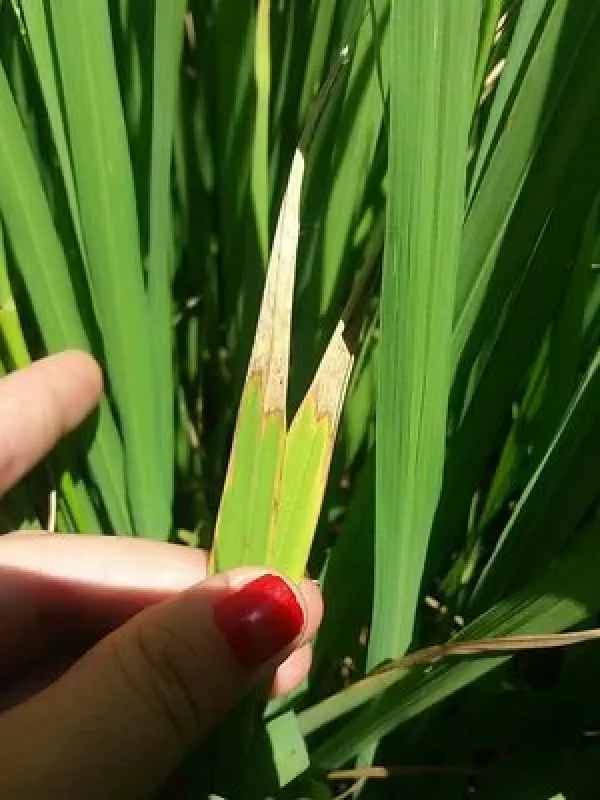
Early symptoms appear as water-soaked spots on leaves that gradually evolve into elongated, light-colored lesions. The central part of these lesions often turns whitish, which is the hallmark of the infection.
A brownish or dark halo often surrounds the necrotic patches, distinguishing the infected area from healthy tissue. Over time, these lesions can merge, covering large sections of the leaf and causing premature wilting.
Under high humidity, a characteristic greyish fungal growth may be visible on the surface of the lesions. This observation provides a strong indication of Monographella presence in the field.
Leaf sheaths also show signs of infection through dark, irregular spots that can eventually cause the sheath to rot. This weakens the structural integrity of the plant, potentially leading to lodging.
In cases of panicle infection, the grains lose their luster and may turn grey or black. The absence of proper grain filling is a clear indicator that the disease has impacted the reproductive stage of the plant.
Control measures
The most sustainable method for controlling Monographella albescens is the deployment of resistant rice varieties. Breeding programs prioritize this trait to minimize reliance on chemical inputs.
Cultural practices, such as removing infected crop residues and plowing the soil deeply after harvest, significantly reduce the pathogen's overwintering population. Effective field sanitation is the first line of defense.
Fungicide applications, particularly using strobilurins and triazoles, are effective if applied during the early onset of disease symptoms. Proper dosage and timing are crucial to prevent the development of fungicide resistance.
Optimizing water management to prevent prolonged standing water or excessive humidity within the canopy can suppress fungal activity. Proper irrigation helps in maintaining a healthier microclimate for the plants.
Using high-quality, treated seed lots is imperative to prevent the introduction of the fungus into uninfected fields. Integrated pest management, combining resistance, sanitation, and timely treatment, ensures optimal crop protection.
Causes diseases · 3
Discussion
No discussions yet — be the first.