
Leaf distortion
Leaf distortion
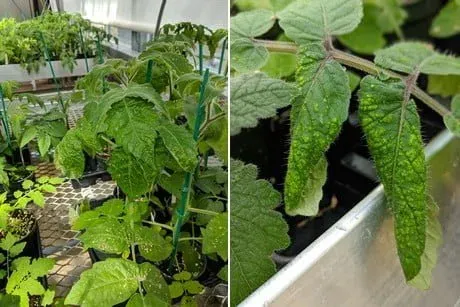
Description
How to identify
Leaf distortion is a clinical symptom characterized by the abnormal growth, shape, or structure of leaf tissues, often indicating a systemic infection or infestation.
This phenomenon is primarily caused by viral pathogens (e.g., Geminiviruses), phytoplasmas, or specific insect activity such as aphid, whitefly, or mite feeding.
From a phytopathological perspective, leaf distortion acts as a marker of cellular metabolic disruption, where the pathogen manipulates plant growth regulators.
It can also be induced by fungal pathogens like Taphrina deformans (peach leaf curl), which triggers cell hypertrophy, leading to massive tissue deformation.
Laboratory diagnosis, including ELISA or PCR, is often required to distinguish between viral infection, physiological stress, and herbicide phytotoxicity.
What it damages
Leaf distortion significantly reduces the leaf surface area available for photosynthesis, leading to reduced carbohydrate production and stunted plant growth.
The damage often results in poor fruit set, reduced quality of harvested produce, and a weakened overall plant defense system against secondary pathogens.
In many horticultural crops, deformed leaves make the produce unmarketable, causing substantial economic losses for growers.
Severe cases of leaf curling can lead to premature leaf abscission, leaving the plant vulnerable to sunscald and metabolic failure.
The spread of viruses responsible for distortion can wipe out entire crop fields if not managed through effective vector control measures.
When it appears
Symptoms typically manifest during the peak growing season, specifically in spring and early summer when plants exhibit rapid vegetative growth.
The progression of the disease is heavily reliant on the migratory patterns and life cycles of insect vectors that transmit pathogens to healthy crops.
Warm temperatures combined with high humidity levels create an ideal environment for the multiplication of vectors like aphids and whiteflies.
In greenhouse settings, leaf distortion can occur throughout the year, provided there is a constant supply of susceptible hosts and active pest populations.
Late-season stress factors, such as water deficit or extreme heat, can exacerbate the appearance of symptoms, further weakening the plant's structural integrity.
Signs of infestation
Key symptoms include inward or outward curling, crinkling, puckering, or abnormal elongation of the leaf blade, resulting in a distorted appearance.
Affected plants often exhibit mosaic patterns, chlorosis (yellowing), or vein clearing, which are classic signs of systemic viral invasion.
The growth points (apical meristems) are frequently the first to show signs, becoming stunted or bunched, a condition commonly referred to as "rosetting."
- Asymmetric leaf development and thickening of the lamina.
- Discoloration, including necrotic spots or vein banding.
- Reduced plant height and decreased internode length.
- Withered or distorted buds that fail to open properly.
In some cases, the leaf texture becomes leathery or brittle, which is a hallmark of certain viral or phytoplasma-induced physiological changes.
Control measures
The primary control strategy involves the stringent management of insect vectors, as direct chemical treatment against viruses does not exist.
Utilizing certified disease-free seeds and nursery stock is the most effective preventative measure against the introduction of pathogens.
Implementing rigorous sanitation practices, such as roguing (removing) and destroying infected plants, is essential to stop the cycle of transmission.
Weed management is vital, as many weeds act as natural reservoirs for viruses and provide breeding grounds for vectors during the off-season.
Crop rotation and the use of resistant or tolerant cultivars are highly recommended strategies to maintain farm profitability and long-term plant health.
Causes diseases · 1
Discussion
No discussions yet — be the first.