
Johnsongrass mosaic
Johnsongrass mosaic
Description
How to identify
The causal agent is the Johnsongrass mosaic virus (JGMV), a member of the Potyvirus genus within the Potyviridae family. It is a single-stranded RNA virus known for its ability to infect various Poaceae species.
The virus is primarily transmitted by several aphid species in a non-persistent manner. This means that aphids can pick up the virus from an infected plant after feeding for only a few seconds and transmit it to a healthy host just as quickly.
Johnsongrass (Sorghum halepense) serves as the primary perennial reservoir for the virus. It harbors the pathogen in its rhizomes during winter, allowing the virus to survive even in adverse climatic conditions until the next growing season.
Diagnostic tools for identifying JGMV include ELISA (Enzyme-Linked Immunosorbent Assay) for protein detection and RT-PCR (Reverse Transcription Polymerase Chain Reaction) for detecting the viral genome. These methods are essential for confirmation.
Epidemiological patterns are heavily dictated by the migration patterns of aphid vectors. When environmental conditions favor aphid population growth, the risk of rapid JGMV spread across agricultural fields increases significantly.
What it damages
The virus affects several economically important crops, including grain sorghum, forage sorghum, sudangrass, and occasionally maize. In severe cases, the infection can cause systemic failure in the plant's metabolic functions.
Infected plants display stunted growth, leading to reduced height and diminished biomass production. The inability of the plant to reach its full size directly translates to significant losses in silage or grain yields.
Grain quality is often compromised, with seeds becoming shriveled or underdeveloped. For sugar-producing varieties, the sugar content in stalks is reduced, which negatively impacts the quality of the raw material for processing.
Premature leaf senescence occurs as a result of viral interference with photosynthesis. This limits the energy available for grain filling, further reducing the overall harvest efficiency of the infected field.
Economic losses are cumulative, resulting from both lower biomass and lower grain weight. In regions with high Johnsongrass density, the impact on sorghum production can be substantial if not mitigated by management practices.
Signs of infestation
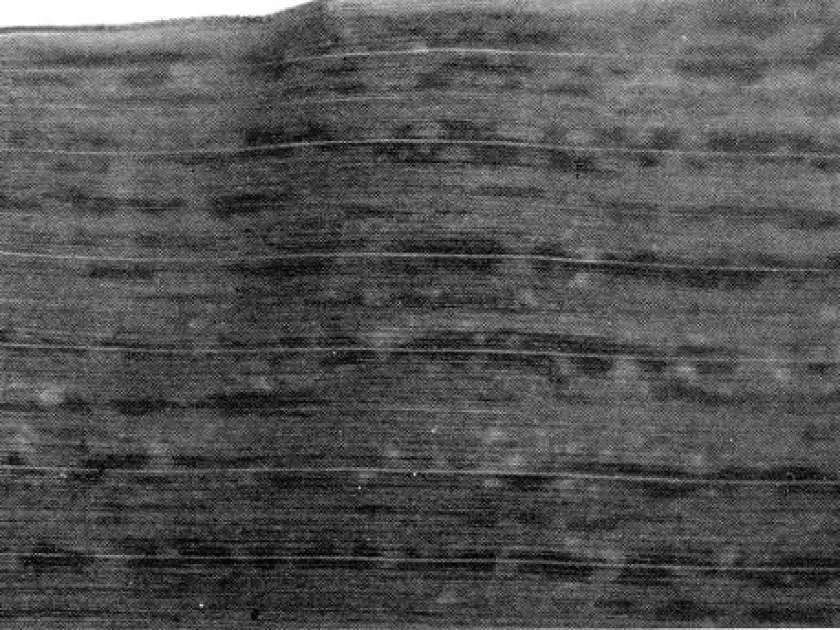
The most characteristic symptom is the development of a mosaic pattern on the leaves, characterized by alternating light and dark green patches. This pattern typically runs parallel to the leaf veins, creating a distinctive striping.
Leaf deformation, such as crinkling or twisting, is common in highly susceptible varieties. In some cases, the leaves may show chlorotic mottling, and edges may become necrotic as the infection progresses throughout the plant tissues.
Stunting is a major visual marker of the disease. Infected sorghum plants appear shorter and less vigorous than healthy counterparts, often with a thinner stem diameter and smaller, less dense panicles.
In certain environmental conditions or specific host genotypes, the mosaic may be accompanied by red or purplish discoloration, which can sometimes lead to misdiagnosis as a nutrient deficiency or fungal blight.
- Light-green mosaic patterns on leaves
- Vein-parallel striping
- Reduced plant height (stunting)
- Deformed or crinkled leaf blades
- Poor panicle development
Control measures
The most critical control measure is the eradication of Johnsongrass in and around fields. Eliminating the primary reservoir prevents the virus from persisting near the susceptible crop.
Planting resistant sorghum hybrids is the most effective long-term management strategy. Breeders have developed various lines with significant resistance to JGMV, which should be the primary choice for farmers in endemic areas.
Strategic timing of planting can help avoid peak aphid activity. Early planting often allows the crop to reach a stage where it is less vulnerable to the severe systemic effects of the virus before the aphid population surges.
While insecticides can reduce aphid populations, their effectiveness in preventing JGMV is limited because the virus is transmitted so quickly. Therefore, chemical control should be secondary to cultural and genetic strategies.
Maintaining strict phytosanitary practices, including the use of certified pathogen-free seeds, is necessary to prevent the accidental introduction of the virus into clean regions via contaminated planting material.
Discussion
No discussions yet — be the first.