
Johnsongrass mosaic
Johnsongrass mosaic
Description
How to identify
The causal agent of the disease is the Johnsongrass mosaic virus (JGMV), which belongs to the Potyvirus genus within the Potyviridae family. It is a single-stranded RNA virus highly specific to grass species.
The virus particles are filamentous in shape. JGMV is transmitted mechanically through plant contact and by various aphid species in a non-persistent manner, meaning the insect can transmit the virus shortly after feeding on an infected plant.
The primary reservoir for the virus is the rhizomes of perennial grasses, most notably Johnsongrass (Sorghum halepense), where it persists throughout the winter months.
Diagnostic identification of the virus typically relies on serological assays like ELISA or molecular techniques such as RT-PCR, which are necessary to differentiate JGMV from other potyviruses.
Understanding the molecular biology of JGMV helps in breeding programs, as identifying specific viral strains is crucial for developing resistance in commercial grain crops.
What it damages
The virus primarily affects sorghum, maize (corn), and sugarcane. It also impacts several wild grasses that act as alternative hosts, ensuring the virus's survival in various ecosystems.
In sorghum, the infection leads to significant reductions in grain yield, biomass production, and overall plant health, which can result in substantial economic losses for farmers.
Maize crops infected by JGMV often show stunted growth and irregular ear development, significantly lowering the quality and quantity of the harvestable product.
The severity of the damage is heavily influenced by the timing of the infection; early-season inoculation often results in the most stunted and unproductive plants.
Economic damage extends beyond yield reduction; it also includes decreased sugar content in the stalks of sweet sorghum, which is detrimental to industries relying on high sugar extraction.
When it appears
Disease spread is tightly linked to the seasonal activity of aphid vectors. Migration patterns of these insects determine the timing and intensity of the virus outbreak in the field.
Primary infection sites usually appear in early spring when winged aphids migrate from overwintering weed hosts to emerging young crops, introducing the virus into the field.
Warm and humid weather conditions are optimal for aphid reproduction and dispersal, creating high-risk periods during the middle of the growing season.
As the season progresses, the virus concentration within host plants increases, facilitating the overwintering process in the underground parts of perennial weeds.
The visual manifestation of the disease often peaks during the active growth phases in mid-summer, when environmental conditions favor the systemic spread of the virus within the plant.
Signs of infestation
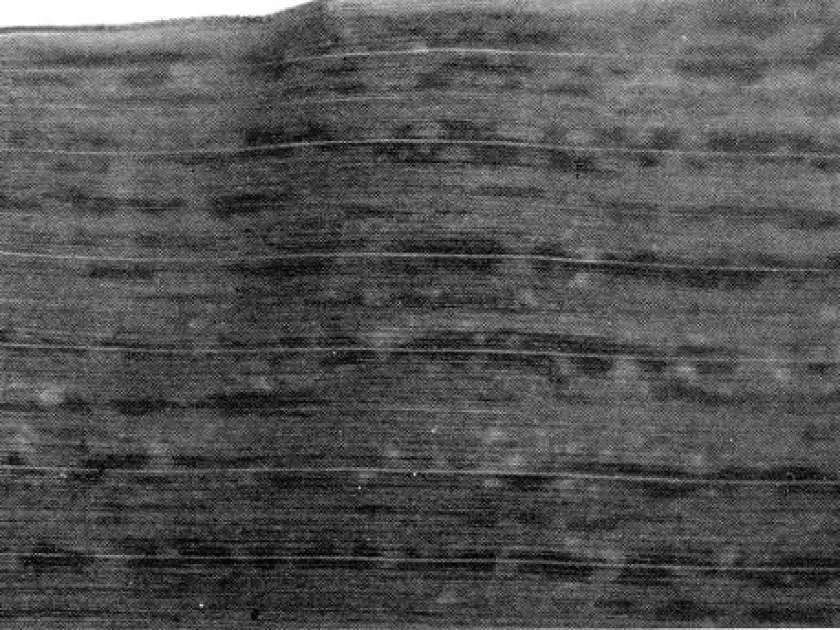
The most characteristic symptom of JGMV is a mosaic pattern on the leaves, featuring alternating light green and dark green streaks that run parallel to the leaf veins.
In some susceptible sorghum cultivars, the infection may manifest as necrotic spots or severe striping, reflecting the physiological stress placed on the host plant's tissues.
Infected plants are often noticeably shorter than healthy counterparts, showing signs of dwarfism, distorted leaf growth, and general failure to thrive.
- Chlorotic mosaic or striping on leaves.
- Leaf distortion and stunted plant height.
- Reduced vigor and stunted root development.
- Lowered fertility in grain-bearing structures.
Severe infection leads to premature yellowing and senescence of lower leaves, which limits the photosynthetic capacity and compromises the plant's ability to fill grain.
Control measures
Effective management begins with strict phytosanitary practices, specifically the eradication of Johnsongrass and other perennial weed hosts around crop fields and drainage channels.
Insecticide applications aimed at controlling aphid populations can reduce the spread of the virus, provided the application timing aligns with the early arrival of insect vectors.
Selecting and planting resistant cultivars is the most sustainable and efficient strategy for managing JGMV, as it prevents the virus from causing significant economic losses.
Spatial isolation between new crops and historically infected fields is a crucial practice to minimize the risk of secondary infections and viral load transfer.
Integrated pest management (IPM) strategies, including appropriate crop rotation and the use of certified healthy seeds, are essential for maintaining field health against viral pathogens.
Causes diseases · 1
Discussion
No discussions yet — be the first.