
Rice root nematode
Hirschmanniella mucronata
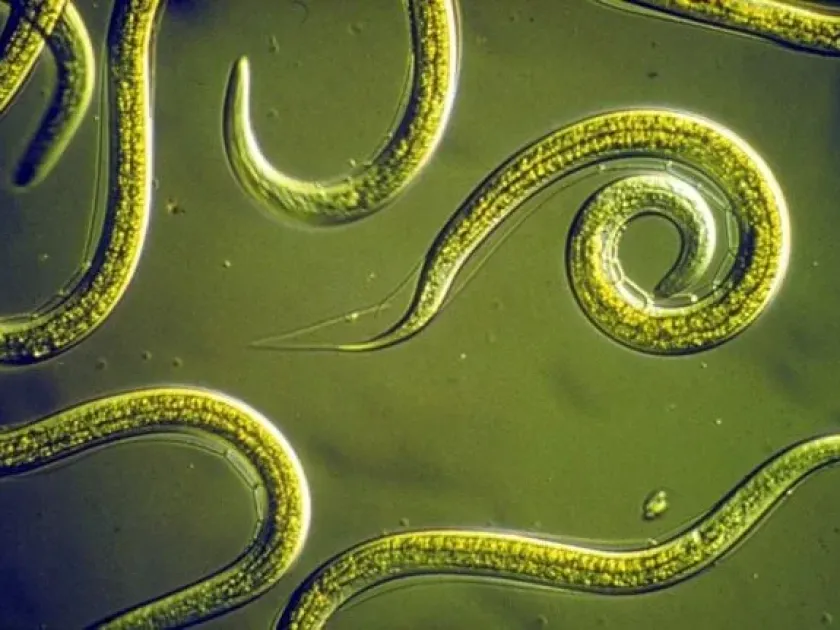
Description
How to identify
The rice root nematode (Hirschmanniella mucronata) is a significant plant-parasitic nematode within the Pratylenchidae family. It acts as an endoparasite, spending the majority of its life cycle embedded within the root tissues of aquatic plants.
The nematode is characterized by its slender, worm-like body and a well-developed stylet used for penetrating cell walls. Female specimens typically feature a distinct mucro at the tail end, which serves as a vital diagnostic taxonomic feature.
This species is well-adapted to flooded environments, commonly found in paddy fields. The nematodes move through the soil water and water layer to infest healthy root systems of rice seedlings and mature plants.
The life cycle consists of the egg, four juvenile stages, and the adult stage. Reproduction is temperature-dependent, with optimal activity occurring in warm, waterlogged soils typical of tropical and subtropical rice cultivation zones.
They can persist in the soil and root debris even after the harvest. Their survival strategy in the absence of a host includes slowing down metabolic processes until conditions become favorable again.
What it damages
Rice (Oryza sativa) is the primary economic host for this nematode. By feeding on the cortical cells of the roots, the parasite disrupts the plant's vascular system, leading to stunted growth and reduced grain yield.
Other wetland plants and sedges found in and around paddy fields can also host this nematode. These alternative hosts maintain the pathogen population, making eradication from the field extremely difficult.
Signs of infestation
Plants infested with Hirschmanniella mucronata exhibit symptoms of nutrient deficiency despite adequate fertilization. The most common indicators are chlorosis and a general lack of vigor in the crop stands.
Root systems show visible signs of damage such as browning, necrotic lesions, and a reduction in the number of healthy, functional lateral roots. These damaged roots are highly susceptible to secondary pathogens like bacteria and fungi.
In cases of severe infestation, the rice plants become significantly smaller, and their yield potential is drastically lowered. Infected fields may show patchy growth, where some areas are noticeably worse than others.
Control measures
Management strategies include the use of clean, certified planting material and field sanitation to remove weeds that harbor the pest. Crop rotation with non-host crops is a highly recommended practice to break the nematode's life cycle.
Water management is another crucial control tactic; draining the paddy fields can effectively reduce nematode populations by drying out the habitat. Additionally, the adoption of resistant rice varieties offers the most sustainable long-term solution.
Causes diseases · 1
Discussion
No discussions yet — be the first.