
Heterosporium leaf spot
Heterosporium oxybaphi
Description
How to identify
Heterosporium leaf spot is caused by the fungus Heterosporium oxybaphi, a pathogen belonging to the phylum Ascomycota and the class Dothideomycetes.
This fungus acts as a specialized parasite, primarily affecting members of the Nyctaginaceae family, specifically the genus Oxybaphus.
The life cycle of the pathogen involves the production of conidia, which serve as the primary means of dispersal and infection of new host tissues.
Microscopically, the fungus is characterized by the presence of dark, branched conidiophores that emerge through the plant's epidermis to release spores into the environment.
It thrives in humid conditions and can survive on plant debris, making it a persistent threat in gardens where host plants are grown consecutively.
What it damages
The primary hosts for Heterosporium oxybaphi are plants of the genus Oxybaphus, which are often used for their aesthetic foliage and flowers.
The infection attacks the leaves, leading to chlorosis, necrosis, and a general decline in the photosynthetic capacity of the plant.
As the disease progresses, the leaf tissue begins to die, resulting in spots that coalesce, leading to premature leaf drop and stunted growth.
In addition to foliage damage, severe infections may spread to stems, causing localized lesions that weaken the plant's overall structural integrity.
If left unmanaged, the cumulative damage leads to poor plant vigor and significantly reduces the overall ornamental quality of the planting.
When it appears
Disease development typically peaks in the latter half of the growing season, coinciding with periods of high humidity and moderate temperatures.
Primary inoculum sources include overwintering mycelium in dead plant tissues or spores that have persisted on the soil surface or seeds.
Cooler, wet periods during the late summer provide optimal environmental cues for spore germination and the subsequent invasion of host tissues.
The pathogen can produce multiple generations of spores in a single season, leading to rapid spread if weather conditions remain conducive to moisture retention.
High humidity and poor air circulation during the day serve as primary catalysts for the rapid progression of the infection within a patch of susceptible plants.
Signs of infestation
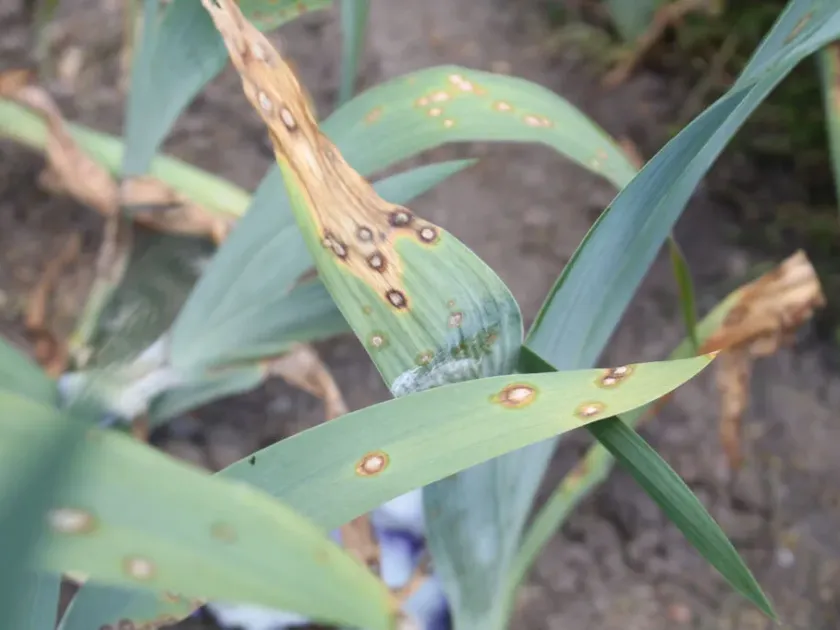
Early symptoms appear as small, indistinct yellow or light brown spots on the leaves, which gradually develop into more defined necrotic areas.
These spots often exhibit a dark, prominent border, and a characteristic olive-black velvet-like mold develops in the center as the fungus begins to sporulate.
The presence of this dark mold is a diagnostic indicator of Heterosporium infection and is often visible on the underside of the leaves during moist conditions.
As the spots age, the central necrotic tissue may dry out and crack, potentially falling out to create a shot-hole effect on the leaf surface.
- Yellowing of leaf tissue surrounding the spots.
- Dark, concentrically zoned lesions.
- Olive-colored velvety fungal sporulation on lesions.
- Premature leaf yellowing and senescence.
Control measures
Effective management begins with strict sanitation, including the thorough removal and disposal of all infected plant materials at the end of the season.
Improving air circulation by maintaining proper plant spacing is essential to reduce the duration of leaf wetness and inhibit spore germination.
Early detection is crucial; gardeners should inspect plants regularly and prune out any symptomatic leaves to prevent further spore production.
Fungicidal applications may be necessary in high-pressure environments, using products labeled for use on ornamental plants to control fungal spread.
Implementing a preventive program involving biocontrol agents or regular monitoring can significantly reduce the incidence of the disease in susceptible populations.
Causes diseases · 1
Discussion
No discussions yet — be the first.