
Hanseniaspora uvarum
Hanseniaspora uvarum
Description
How to identify
Hanseniaspora uvarum, often recognized by its anamorph stage Kloeckera apiculata, is a species of ascomycetous yeast. It is naturally occurring and widely distributed as an epiphytic microorganism on the surfaces of fruits and vegetation.
Taxonomically, it belongs to the Kingdom Fungi, Phylum Ascomycota, and Family Saccharomycodaceae. Unlike filamentous fungi, it grows as single cells that multiply through a distinctive polar budding process, which is characteristic of the genus Hanseniaspora.
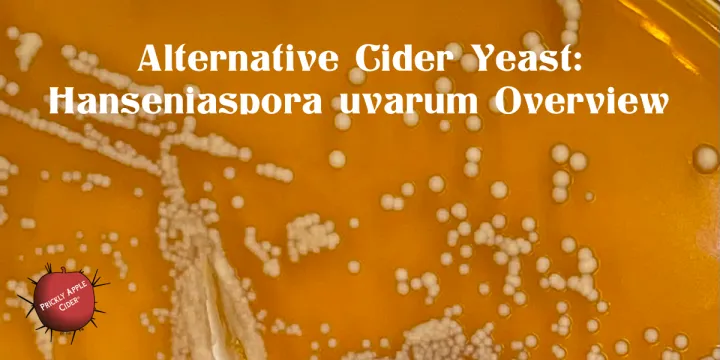
Identification is typically achieved through microbiological analysis, where it forms small, cream-colored, convex colonies on growth media. Under a microscope, the cells display a characteristic lemon-shaped or apiculate appearance.
As an opportunistic pathogen, it is highly adapted to colonizing surfaces that are rich in sugar, such as the skin of ripening grapes or fallen fruit. It thrives by utilizing the plant nutrients released through micro-abrasions in the cuticle.
The life cycle is tightly integrated with the fruit ripening process and the activity of vectors, such as fruit flies. Its survival strategy involves maintaining high population density on plant debris, ready to colonize new hosts during the next season.
What it damages
The primary economic damage caused by Hanseniaspora uvarum involves the spoilage of grapes and other fleshy fruits. It induces rapid fermentation, rendering the fruit soft, watery, and unfit for the fresh market or high-quality winemaking.
In vineyards, this yeast compromises the integrity of berries, leading to extensive loss of yield. The metabolic byproduct of the yeast, including ethanol and volatile acids, significantly degrades the sensory qualities of the affected crop.
Hanseniaspora uvarum is often viewed as a precursor to more destructive fungal pathogens. By damaging the berry skin and creating an acidic, nutrient-rich environment, it facilitates the secondary colonization of Botrytis cinerea.
For wine producers, the presence of this yeast on harvest material is a concern because it outcompetes Saccharomyces cerevisiae during the early stages of fermentation, potentially leading to sluggish fermentations or undesirable flavor profiles.
Overall damage is severe in humid, warm conditions where the yeast population can explode within days, turning healthy bunches into mushy, spoiled biomass that is prone to further bacterial infection.
When it appears
The period of high activity corresponds to the maturation stage of fruit. The rise in sugar levels (Brix) in berries during late summer acts as a primary trigger for the rapid colonization by the yeast.
Spread across the plantation is heavily influenced by the activity of insect vectors like Drosophila melanogaster (fruit flies) and social wasps. These insects distribute yeast cells from soil and decaying matter directly to the vulnerable, ripening berries.
Favorable environmental conditions for its development include temperatures between +20°C and +30°C and high atmospheric humidity. Rainfall, especially near harvest time, is the most critical factor for initiating outbreaks.
During winter months, the pathogen persists as vegetative cells in the soil, bark crevices, or on undecomposed plant material. It enters a low-metabolic state, allowing it to survive extreme temperatures until the next growing season.
Monitoring for signs of yeast activity should be prioritized from the onset of veraison in grapes until harvest, as this is the window of maximum susceptibility and highest potential for infection spread.
Signs of infestation
The most reliable sign of an active infection is the presence of a distinct fermentation smell emanating from the vine canopy. This sweet, vinegar-like aroma is a key indicator of yeast metabolic activity.
Visually, affected berries show a thin, whitish or translucent biofilm on their surface. As the infection deepens, the berry texture turns soft and spongy, with the skin losing its turgor and becoming prone to rupture.
Upon squeezing an infected berry, one may notice the exudation of cloudy juice, sometimes accompanied by gas bubbles, confirming that fermentation is actively occurring within the fruit tissue.
In advanced stages, the infected areas show darkening and collapse of the internal pulp. These areas are frequently covered by a secondary growth of opportunistic molds that thrive on the nutrients released by the initial yeast activity.
Field diagnosis involves inspecting the bunches for clustered, soft berries that appear "weeping" or sticky. Microscopic observation of surface swabs typically reveals a high abundance of the characteristic lemon-shaped yeast cells.
Control measures
Effective management begins with sound agronomic practices, such as canopy management to ensure good airflow and sunlight exposure, which keeps the clusters dry and inhibits yeast proliferation.
Control of insect vectors is critical to preventing the spread of the pathogen. Implementing integrated pest management (IPM) to reduce fruit fly and wasp populations significantly lowers the infection risk.
The application of fungicides targeted at bunch rot complexes can provide effective protection during the critical pre-harvest window. Growers should choose products that are residue-compliant for the period of harvest.
Sanitation is paramount; removing damaged or rotting clusters from the vineyard during the season and cleaning up harvest residue after the season reduces the overwintering inoculum.
- Promote airflow through leaf removal and shoot positioning.
- Manage pests like wasps and fruit flies effectively.
- Avoid over-irrigation during the final ripening phase.
- Harvest grapes promptly once they reach maturity.
Causes diseases · 1
Discussion
No discussions yet — be the first.