
Globisporangium irregulare
Globisporangium irregular
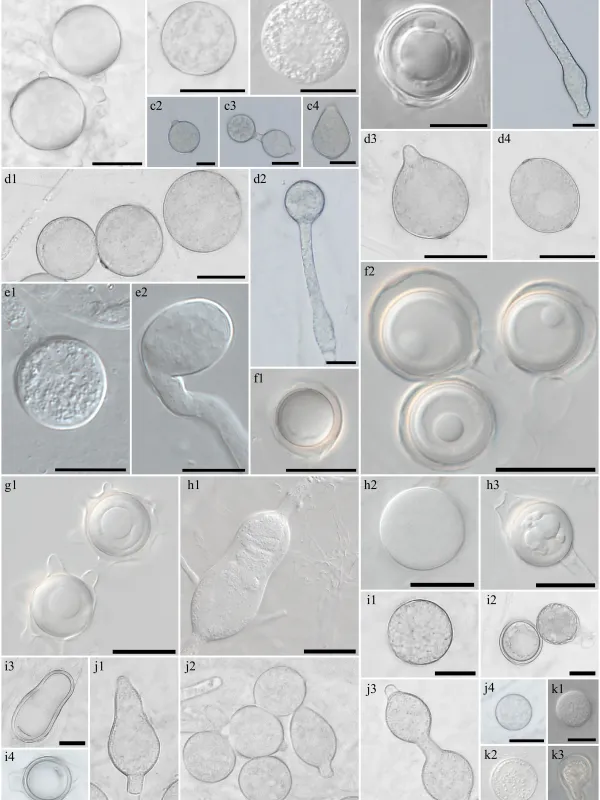
Description
How to identify
Globisporangium irregulare is a soil-borne microorganism belonging to the Oomycetes class. While it was previously categorized within the Pythium genus, modern taxonomy classifies it as Globisporangium, a distinction important for current phytopathological research.
This organism produces non-septate hyphae, allowing for rapid colonization of host tissues. Its life cycle involves both asexual reproduction via motile zoospores, which travel through soil water, and sexual reproduction through thick-walled oospores.
Oospores serve as the primary long-term survival structures, enabling the pathogen to persist in agricultural soils for many years, even in the absence of a suitable host plant.
The biology of this pathogen is highly dependent on environmental moisture. Unlike many true fungi, it requires saturated soil conditions to facilitate the swimming of zoospores towards plant root exudates.
Detection in professional settings involves laboratory isolation on selective culture media (containing antibiotics) or molecular detection using PCR techniques to confirm the presence of this specific pathogen.
What it damages
This pathogen has a very broad host range, causing significant economic losses in vegetable crops like tomatoes, cucumbers, and peppers, as well as in ornamental flowers and nursery forestry seedlings.
In seedling production, it is a primary cause of "damping-off," where the pathogen attacks the basal stems and roots of young plants, leading to complete crop failure shortly after germination.
On mature plants, it causes severe root rot. The destruction of root hairs severely limits water and nutrient uptake, causing the plant to suffer from chronic stress, stunted growth, and reduced yield capacity.
Greenhouse environments are particularly susceptible to this pathogen. Frequent irrigation and constant soil moisture levels create an ideal environment for the rapid spread of zoospores between plant beds.
By weakening the root system, G. irregulare often acts as a predisposing agent, facilitating further damage from other secondary pathogens like Fusarium or various soft-rot bacteria.
Signs of infestation
The initial symptom is typically localized wilting during the hottest part of the day, followed by recovery at night. Eventually, the wilting becomes permanent as the root system fails completely.
Visible inspection of the roots reveals discoloration, necrosis, and a mushy texture. The outer root cortex often sloughs off easily when pulled, exposing the inner stele, which is a classic symptom of Oomycete infection.
Chlorosis, particularly in lower leaves, is a common observation. This occurs because the damaged root system can no longer transport essential nutrients, leading to yellowing of the foliage.
In young seedlings, the stem base becomes thin, darkened, and water-soaked. The plant will eventually topple over and die, a classic progression of damping-off disease caused by this pathogen.
The infestation pattern in fields or greenhouses is typically clustered. Affected plants appear in patches, which then expand as water carries the motile zoospores to adjacent healthy plants.
Control measures
Effective management begins with strict irrigation control. Avoiding waterlogged soil is the most crucial step to prevent the movement of zoospores and limit the development of the disease.
Soil sanitation is essential in greenhouse production. Using steam sterilization or fumigation can effectively reduce the population of oospores before the planting season begins.
Biological control agents, such as Trichoderma species, can be incorporated into the soil. These beneficial fungi colonize the rhizosphere and outcompete the pathogen for resources, providing a degree of protection.
Chemical control options include fungicides specifically labeled for Oomycetes (such as metalaxyl, propamocarb, or fosetyl-aluminum). Preventive application is far more effective than trying to cure plants after infection.
- Improve drainage systems in fields and greenhouses to prevent water accumulation.
- Use certified pathogen-free seeds and potting soil mixtures.
- Disinfect containers, tools, and benches to prevent cross-contamination.
- Avoid using untreated pond or river water for irrigation as it may harbor zoospores.
Discussion
No discussions yet — be the first.