
Gibberella thapsina
Gibberella thapsina
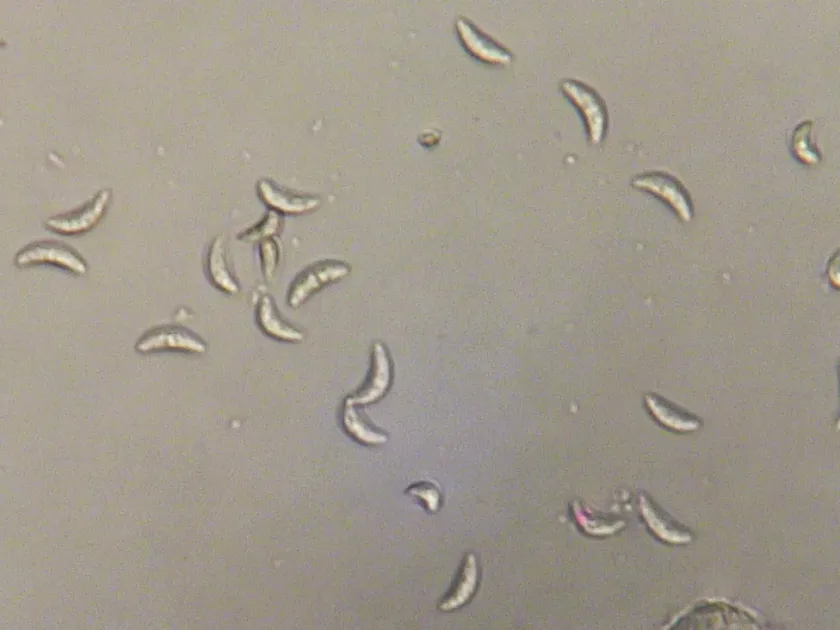
Description
How to identify
Gibberella thapsina is a fungal pathogen classified within the kingdom Fungi. It serves as the teleomorphic (sexual) stage for several species within the Fusarium genus, which are responsible for various plant diseases.
The fungus produces fruiting bodies known as perithecia, typically appearing on decaying plant debris. Within these structures, ascospores are generated, which serve as the primary inoculum for spreading the disease to new host plants during the spring season.
Microscopic analysis of the mycelium and spores is essential for the identification of Gibberella thapsina, as it shares morphological similarities with other related species in the Gibberella complex.
This pathogen acts as a facultative parasite, exhibiting the ability to persist as a saprotroph in soil and on crop residues for extended periods, making it highly resilient in agricultural environments.
Taxonomically, the species is deeply linked to fungi that cause significant root rots and head blights in grain crops, reflecting its importance in modern crop pathology.
What it damages
The primary hosts of this pathogen include various cereal crops such as wheat, barley, and maize. Infection can occur at any growth stage, ranging from seedling development to grain filling.
Field infection often leads to Fusarium root rot, which significantly reduces plant stand density and weakens the overall vigor of the crop, making it more susceptible to environmental stress.
Infection of the reproductive organs, such as the ear or cob, is particularly damaging. The fungal growth disrupts grain filling, resulting in shriveled kernels and significant yield losses.
Furthermore, the pathogen causes accumulation of mycotoxins in the grain, rendering the harvest unsuitable for feed or food processing due to health hazards for humans and animals.
Yield impact is characterized by reduced grain weight, poor germination rates of harvested seeds, and a substantial decrease in the total market value of the contaminated produce.
When it appears
Infection thrives during periods of high humidity and moderate temperatures, typically coinciding with the spring and early summer months when the fungus releases its ascospores.
The peak of disease activity often occurs during the flowering stage of cereal crops, when the plant is most susceptible to spore colonization via wind and rain splash.
Persistent rainfall and high relative humidity (above 80%) during the grain-filling phase create an ideal environment for the rapid expansion of the fungus across the field.
Fluctuating temperatures between day and night lead to dew formation, which provides the necessary moisture for the spores to germinate and penetrate the host tissue.
During autumn and winter, the fungus remains dormant in the soil and on crop debris, serving as an overwintering reservoir that initiates the next infection cycle when favorable conditions return.
Signs of infestation
Seedling blight is one of the earliest signs, characterized by browning and rotting of the young shoots, often leading to patchy emergence and death of the plantlets.
When the ears are infected, the characteristic symptom is a premature bleaching of the spikelets, which may appear white or pinkish due to the presence of fungal spores.
Stalk infection manifests as discoloration at the base of the stem, often leading to stem fragility, lodging of the crop, and an impaired vascular system, which limits nutrient uptake.
In high-moisture conditions, a visible pink or orange mold (spore mass) can be observed on the surface of the infected ears, stems, or leaf sheaths.
- Seedling emergence failure and rot.
- Pinkish fungal growth on infected parts.
- Bleaching of the wheat ears.
- Shriveled and discolored grain kernels.
- Reduced root system development.
Control measures
Crop rotation is the fundamental management practice, involving the exclusion of susceptible cereal crops from the field for several years to break the infection cycle.
Effective soil management, including deep plowing and burying of crop residues, helps accelerate the decomposition of infected material and reduces the primary inoculum levels.
Seed treatment with systemic fungicides is crucial to protect seedlings from soil-borne infections and to ensure healthy plant establishment during the critical early growth phases.
In seasons with high rainfall forecasts during the flowering period, applying systemic fungicides can effectively prevent head blight and protect the grain from colonization.
Selecting and planting resistant or tolerant crop varieties is the most sustainable strategy for long-term control and reducing the overall dependency on chemical interventions.
Discussion
No discussions yet — be the first.