
Elm mottle
Elm mottle
Description
How to identify
The causative agent of the disease is the Elm mottle virus (ELMV), a plant virus that specifically targets elm species (genus Ulmus). It is classified under the genus Bromovirus, family Bromoviridae.
As an RNA-based pathogen, this virus induces systemic infections, meaning it spreads throughout the entire vascular system of the host plant, causing significant physiological disruptions.
Transmission occurs primarily through vegetative propagation, grafting, and root-to-root contact between infected and healthy trees. Unlike some other viruses, insect vectors are not the primary drivers for the spread of this specific pathogen.
Identification is confirmed through diagnostic procedures such as ELISA or PCR. Visual inspection alone is often insufficient, as symptoms may mimic environmental stress, nutrient deficiencies, or other unrelated tree diseases.
The virus persists in the perennial tissues of the host, establishing a chronic infection that can last for the entire lifespan of the tree, potentially acting as a reservoir for further spread.
What it damages
Elms are the primary hosts for the virus, though its impact is particularly detrimental in nursery settings where the dense planting of young trees facilitates rapid transmission across the entire block.
The virus impairs photosynthesis by distorting leaf cells and altering chlorophyll distribution. This results in reduced vigor, limited growth rates, and an overall decline in the tree's health.
In ornamental landscaping, the primary damage is the loss of aesthetic value. Affected trees become unsightly, lose their dense canopy, and may show signs of premature leaf senescence.
Beyond aesthetics, the virus lowers the tree's resistance to environmental stresses, such as drought, frost, or other secondary pathogens, potentially leading to long-term decline.
Economic losses in the timber and nursery industry are significant, as infected stock must be destroyed to prevent the virus from spreading to healthy, valuable specimens.
Signs of infestation
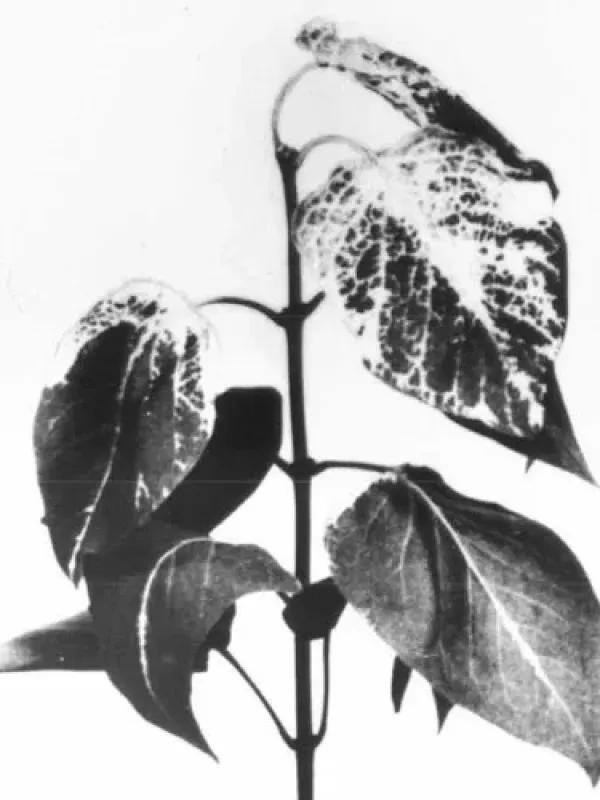
The hallmark symptom of Elm mottle is the appearance of mottled or variegated patterns on the leaves, characterized by light green, yellow, or whitish spots and stripes.
Leaves often display significant morphological changes, including crinkling, cupping, or wavy margins. The overall shape of the leaf may appear stunted or distorted compared to healthy foliage.
Infections often start on specific branches before becoming systemic. As the virus travels throughout the plant, the foliage across the entire canopy may begin to show symptoms of mosaic patterns.
- Mottling and chlorotic spots on leaves.
- Distorted or crinkled leaf blades.
- Reduced vigor and sparse canopy development.
The severity of these symptoms can fluctuate based on seasonal weather conditions and the overall vigor of the host plant.
Control measures
The primary control strategy for Elm mottle is the utilization of certified, virus-free nursery stock. Prevention is the only truly effective measure against this incurable condition.
If an infected tree is identified, it should be promptly removed, including the root system, to prevent the virus from spreading through contact with the roots of neighboring healthy trees.
Strict sanitation protocols must be observed when pruning or grafting. All cutting tools must be thoroughly disinfected with appropriate agents between individual trees to prevent mechanical transmission.
Providing optimal growing conditions, including proper irrigation and balanced fertilization, can help maintain the plant's health, though it does not provide immunity against the viral infection.
There are no chemical pesticides or treatments currently available to cure infected trees, making rigorous exclusion and early detection the cornerstones of effective disease management.
Causes diseases · 1
Discussion
No discussions yet — be the first.