
Curvularia lunata
Curvularia lunata
Description
How to identify
Curvularia lunata belongs to the Kingdom Fungi, Phylum Ascomycota, and the genus Curvularia. It is a widely distributed opportunistic pathogen and saprophyte found in tropical and temperate regions worldwide.
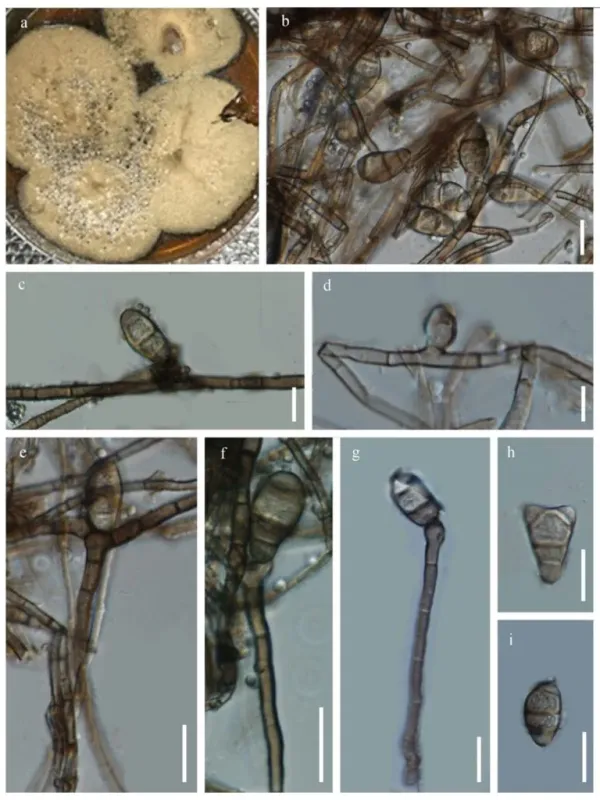
The fungus produces septate, branched, and pigmented mycelium. The most distinctive feature for identification is its conidia, which are dark brown, 3-4 septate, and typically curved, with the central cell often significantly larger than the terminal ones.
This pathogen can persist for long periods in soil, decaying organic matter, and infested seeds, acting as a primary inoculum source for subsequent growing seasons.
Dissemination occurs primarily through conidia transported by wind currents, rain splashes, and human activities such as the movement of farm machinery and contaminated tools.
In research settings, the fungus is identified through its characteristic velvety, olive-to-black colonies when grown on standard potato dextrose agar media.
What it damages
Curvularia lunata has a broad host range, causing significant damage to major agricultural crops, including cereals, corn, rice, sorghum, and various vegetable species.
The fungus is primarily known for causing leaf spot diseases, stem blights, and grain discoloration, which directly impact the plant's ability to perform photosynthesis.
In maize, it is a key component of the fungal complex causing root rot and ear rot, leading to substantial yield losses and reducing the overall quality of grain.
In cereal crops, it causes the "black kernel" disease, which significantly lowers seed viability and poses challenges for grain storage and processing industries.
Post-harvest damage is also a major concern, as the fungus causes rapid rotting and decay in fruits and vegetables, rendering them unsuitable for market distribution.
When it appears
The pathogen thrives in warm and humid conditions, with an optimal temperature range for mycelial growth and sporulation between 25 and 30 degrees Celsius.
Disease outbreaks are most frequent during the later stages of crop development, particularly during high-moisture periods that coincide with flowering or grain filling.
Prolonged rainfall, high humidity, and overcast skies provide the necessary environmental conditions for conidial germination and colonization of host plant tissues.
Primary infections often originate from infested seeds or crop residues left in the field, which release spores that spread through the canopy when conditions become favorable.
Agricultural practices, such as high planting density and excessive nitrogen fertilization, often exacerbate disease severity by creating a favorable microclimate for the fungus.
Signs of infestation
Initial infection manifests as small, chlorotic spots on leaves that gradually enlarge and transition into brown or dark-colored lesions with lighter necrotic centers.
Under high humidity, a characteristic dark olive or black velvety growth of conidiophores and conidia can be observed covering the necrotic areas on the host.
Affected cereal heads often show darkened glumes and shriveled grains, which may be covered in a dark fungal mat, significantly reducing the marketable value of the harvest.
Root and stem infections lead to tissue necrosis, which manifests as wilting, stunted plant growth, and premature senescence of foliage.
In fruits and vegetables, symptoms appear as sunken, dark-colored lesions that spread rapidly, leading to the disintegration of internal tissues and overall spoilage.
Control measures
- Use certified, disease-free seed lots to minimize the risk of introducing the pathogen into the field.
- Treat seeds with effective systemic fungicides before planting to prevent seedling blight.
- Implement strict crop rotation schedules to break the pathogen's life cycle in the soil.
- Ensure proper management of crop residues through deep plowing or burning where permitted to reduce inoculum pressure.
- Apply foliar fungicides during critical growth stages when weather conditions are conducive to fungal spread.
Causes diseases · 1
Discussion
No discussions yet — be the first.