
Collybia dryophila
Collybia dryophila
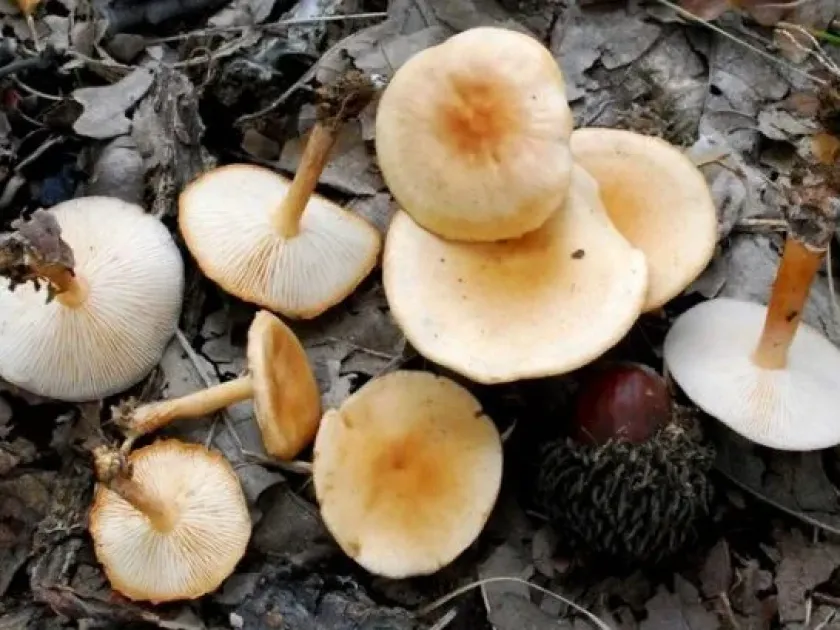
Description
How to identify
Collybia dryophila (now officially classified as Gymnopus dryophilus) belongs to the kingdom Fungi, phylum Basidiomycota. It is a well-known saprotrophic fungus that can occasionally act as a facultative parasite.
The fruiting bodies feature caps ranging from 2–6 cm in diameter, with colors typically shades of yellowish-brown to reddish-brown. The gills are narrow, crowded, and attached to a slender, hollow stem.
While primarily a forest dweller that decomposes leaf litter, its mycelium is highly resilient and can colonize weakened living tissue in forest environments and nurseries.
The fungus is highly adaptable to various soil types, particularly those rich in organic matter, which are common in many forestry nursery setups.
Identification often relies on a combination of visual inspection of fruiting bodies and, when necessary, DNA analysis or microscopic examination to distinguish it from related non-pathogenic species.
What it damages
The fungus poses a significant threat to tree seedlings in nursery beds, particularly oaks and other deciduous trees, as well as stressed mature forest trees.
The primary damage occurs to the root system, where the fungus causes root rot. It invades the plant through natural openings or physical injuries to the bark and roots.
Infected seedlings experience a decline in water and nutrient uptake, leading to stunting, chlorosis, and eventual death of the affected plant.
By compromising the integrity of the root system, the pathogen makes the trees highly susceptible to other secondary infections and environmental stresses.
Severe infestations in a nursery environment can lead to significant economic losses by reducing the quality and quantity of transplantable seedlings.
When it appears
Fruiting bodies typically appear from May to October, coinciding with the peak vegetative growth period for most forestry seedlings.
The mycelium grows most actively during periods of moderate temperature and high soil moisture, especially during the spring and autumn months.
In temperature-controlled greenhouses or nurseries, the fungus may maintain activity year-round if the microclimate remains humid and organic matter is available.
Spore dispersal occurs primarily through the air, while mycelial spread occurs through direct contact between healthy root systems and infected soil substrates.
Persistent wet weather is the primary catalyst for the fungus to move from a harmless saprotroph to an active nursery pathogen.
Signs of infestation
Early symptoms include yellowing and premature wilting of foliage, which typically starts at the top of the seedling crown.
The root collar often shows darkening and tissue softening, indicating the onset of decay in the vital area of the plant.
Under humid conditions, fine white mycelial threads may be observed on the roots or the soil surface surrounding the infected plants.
The root system of infected plants becomes brittle and tends to break easily when the plant is pulled from the ground.
- Yellowing of leaves/needles;
- Root collar decay;
- Visible white mycelial growth on roots;
- Poor root development and brittleness;
- Widespread seedling dieback.
Control measures
Rigorous sanitation in nurseries is essential, including the removal of stumps, debris, and previous year's soil substrate before planting new batches.
Proper drainage systems must be maintained to prevent waterlogging, as excessive moisture is a critical factor for the proliferation of this pathogen.
Chemical control involving soil and seed fungicides can be employed to protect seedlings during their most vulnerable developmental stages.
Integrated pest management should include the use of biological control agents, such as Trichoderma species, which are known to suppress pathogenic fungal growth.
Regular monitoring of seedlings for symptoms and immediate removal of infected specimens with their surrounding soil can significantly limit the spread of the disease.
Causes diseases · 1
Discussion
No discussions yet — be the first.