
Chickpea yellow
Chickpea yellow
Description
How to identify
The causative agent of chickpea yellow disease is phytoplasma (Chickpea yellow dwarf-like phytoplasma). These are specialized intracellular parasites lacking a cell wall, belonging to the class Mollicutes. In taxonomy, they occupy an intermediate position between bacteria and viruses, colonizing the phloem of host plants.
This pathogen is an obligate parasite, meaning it cannot survive or reproduce outside the host organism or a specific insect vector. Phytoplasmas are extremely sensitive to environmental factors and perish rapidly outside of living plant tissues or insect bodies.
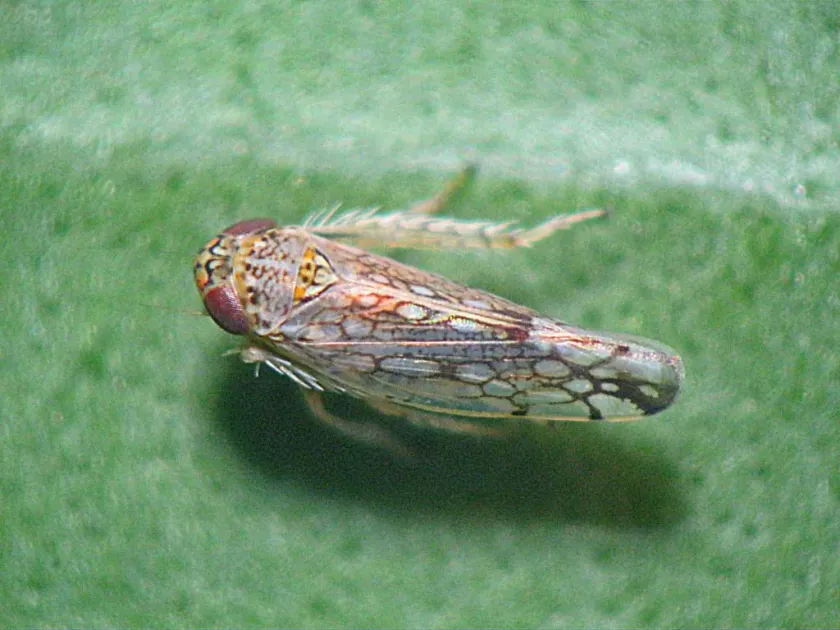
Leafhoppers act as the primary vectors for chickpea yellow disease. Insects acquire the phytoplasma while feeding on the sap of an infected plant; after an incubation period within the insect, it becomes capable of transmitting the disease to healthy plants during subsequent feedings.
The pathogen’s life cycle is closely linked to the migration patterns of its insect vectors. In hot and dry climates, leafhopper activity increases, leading to rapid disease spread across chickpea fields, especially near overgrown field margins or weed-infested areas.
Field identification is challenging because symptoms often mimic nutrient deficiencies or other viral infections. Definitive diagnosis requires specialized laboratory techniques, most notably PCR (polymerase chain reaction) assays, to detect the specific phytoplasma DNA.
What it damages
Chickpea yellow disease primarily affects chickpea crops (Cicer arietinum), causing significant damage in regions with temperate and subtropical climates. The host plant undergoes systemic infection, which severely disrupts its normal physiological growth and development processes.
In addition to chickpea, these phytoplasmas can infect a wide range of other legumes and wild plant species. These serve as natural reservoirs, maintaining the pathogen population during off-seasons and providing a source of inoculum for the next crop cycle.
The damage stems from the blockage of phloem sieve tubes by the phytoplasma cells. This obstruction prevents the transport of assimilates from leaves to the root system and reproductive organs, effectively halting plant growth and development.
Infected plants suffer a drastic reduction in productivity. Bean formation is severely hampered, often resulting in small, shriveled, or absent seeds, which renders the entire crop economically non-viable and unsuitable for marketing or as seed stock.
Widespread outbreaks can result in yield losses ranging from 30% to over 80% in affected areas. The economic impact is particularly severe in years with favorable weather conditions for the rapid multiplication and dispersal of leafhopper populations.
Signs of infestation
Initial signs of infection appear as chlorosis (yellowing) of young, upper leaves. Over time, this yellowing spreads across the entire plant, affecting both leaves and stems, resulting in a stunted and sickly overall appearance.
A hallmark sign is the severe shortening of internodes, causing the plant to take on a compact or "rosette" form. Infected plants remain significantly smaller than their healthy counterparts and exhibit a distinct lack of vegetative vigor.
Excessive branching often occurs, giving the plant a bushy appearance. However, these new shoots remain chlorotic, diminutive, and deformed, which further drains the plant's resources without contributing to viable biomass or seed production.
Flowering is either absent or characterized by abnormal development. Flowers may become deformed, take on a greenish, leaf-like tint (virescence), or drop prematurely, failing to produce pods entirely.
During later stages of growth, the tissues of infected plants may develop reddish or bronze discolorations. This is associated with metabolic disturbances and the accumulation of anthocyanins, reflecting the plant's intense stress response to the systemic phytoplasma infection.
Control measures
Effective management of chickpea yellow requires an integrated approach focusing primarily on vector control. The application of systemic insecticides during the early stages of crop growth is crucial to suppress leafhopper populations and prevent initial transmission.
Rigorous weed management is an essential cultural practice. Since many weeds act as reservoirs for both the phytoplasma and the insect vectors, clearing field borders and adjacent areas significantly reduces the primary inoculum pressure near the crop.
Maintaining spatial isolation between new chickpea plantings and older, infected fields or perennial pastures is highly recommended. This practice breaks the chain of transmission, reducing the likelihood of infected insects migrating onto the young, susceptible plants.
The utilization of certified, pathogen-free seed and the deployment of resistant or tolerant cultivars are the most sustainable strategies. Breeding programs targeting resistance to phytoplasmas are key to minimizing long-term crop losses without excessive pesticide use.
Adjusting sowing dates can also serve as a preventive measure by ensuring the crop passes its most vulnerable developmental phases before peak leafhopper migration occurs. Early planting often allows the crop to establish better resistance against the onset of infection.
Discussion
No discussions yet — be the first.