
Cherry rasp leaf
Cherry rasp
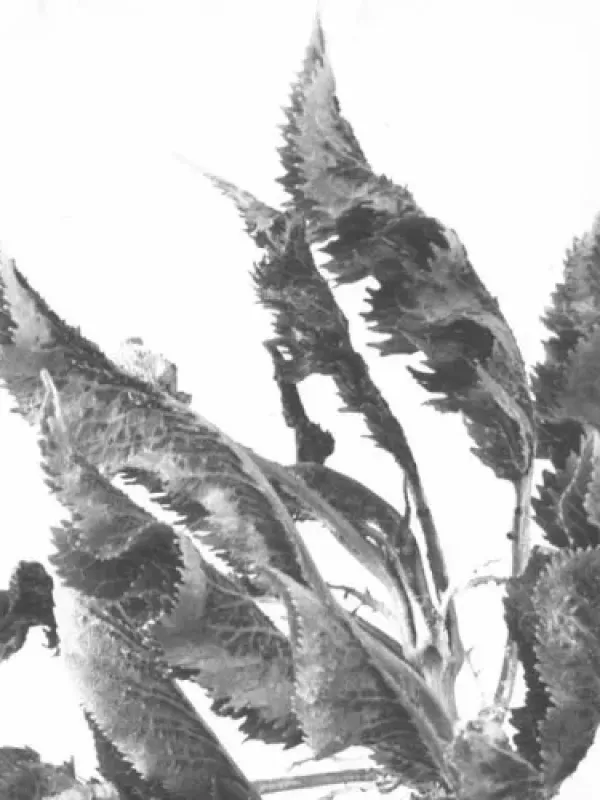
Description
How to identify
Cherry rasp leaf is caused by the Cherry rasp leaf virus (CRLV), which is a member of the Nepovirus genus within the Secoviridae family. It is a systemic pathogen affecting stone fruit trees.
The virus is primarily transmitted by the soil-dwelling nematode Xiphinema americanum. These nematodes feed on the root systems of trees, facilitating the transfer of the virus from infected to healthy plants.
Mechanical transmission can also occur through infected nursery stock or during propagation processes like budding and grafting, which is the main route of long-distance spread.
The virus particles reside in the phloem tissue, causing physiological stress and metabolic disruption that manifests as visible structural changes in the leaves and shoots.
Laboratory diagnosis is essential for confirming the presence of CRLV, typically utilizing ELISA tests or molecular methods such as RT-PCR to detect viral RNA in plant samples.
What it damages
The virus primarily affects cherry, sweet cherry, and peach trees. It can also colonize other Prunus species, causing significant damage to commercial fruit production.
Infected trees suffer from reduced vigor and stunted growth. The overall photosynthetic capacity of the tree decreases, leading to lower fruit yields and poor quality crops.
In nursery settings, the presence of the virus is catastrophic, as it necessitates the destruction of infected batches to prevent the spread of the disease to commercial orchards.
Over time, the cumulative stress of the infection weakens the tree, making it susceptible to secondary pathogens and reducing the total economic lifespan of the orchard.
There is no chemical cure for an infected tree, making prevention and eradication the only viable strategies for maintaining orchard profitability.
Signs of infestation
The diagnostic symptom is the development of numerous small, pimple-like outgrowths (enations) on the undersides of leaves, giving the leaves a rough or "raspy" appearance.
Affected leaves are often distorted, wavy, or asymmetric. In severe cases, the tree exhibits short internodes, creating a bushy or rosette-like appearance on the branches.
Flowering may be erratic, and fruit production is significantly impaired. The symptoms are most visible during the early stages of spring leaf development.
The condition is progressive; if left untreated, the symptoms tend to intensify year after year, eventually leading to a complete decline in tree health.
- Characteristic leaf enations (outgrowths).
- Deformed and curled leaf blades.
- Stunted terminal shoot growth.
- Reduced fruit set and irregular fruit shape.
Control measures
Strict quarantine and the use of certified virus-free nursery stock are the most effective methods for preventing the introduction of CRLV into new orchard sites.
Orchard managers should conduct soil tests for Xiphinema nematodes before planting, especially if the site has a history of hosting susceptible host plants.
If an infected tree is identified, it must be removed promptly, including the roots, to eliminate the viral reservoir and stop the transmission to neighboring healthy trees.
Weed management in the orchard is crucial, as various weeds and wild Prunus species can act as reservoirs for both the virus and its nematode vectors.
Sanitation of grafting tools and strict adherence to propagation hygiene are vital to ensure that the infection is not accidentally spread during routine maintenance.
Causes diseases · 1
Discussion
No discussions yet — be the first.