
Chaetomium
Chaetomium
Description
How to identify
Chaetomium belongs to the kingdom Fungi, phylum Ascomycota. This genus consists of saprotrophic fungi that can exhibit pathogenic properties under specific conditions.
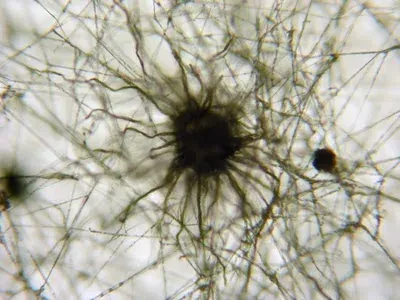
The mycelium of the fungus is typically septate, hyaline, or lightly pigmented. A characteristic feature is the formation of perithecia covered with dark hairs (setae), which gave the genus its name.
Spores of Chaetomium are lemon-shaped or oval, often colored olive or brown. They are highly resistant to environmental stress factors.
The fungus reproduces both sexually (ascospores) and asexually (conidia). In agricultural systems, it is often found as a component of mold complexes developing on seeds and debris.
Systematically, this genus includes many species, the most prominent being Chaetomium globosum, which is frequently observed on cereal crops.
What it damages
Chaetomium affects a wide range of agricultural crops, including cereals, legumes, and vegetables. It is particularly common on seed material.
The greatest damage is caused during seed storage, where the fungus induces molding, reduces germination rate, and lowers seed vigor, leading to poor crop stands.
In the field, seedlings and roots of plants under physiological stress or damaged by pests are particularly susceptible to infection.
As the fungus can degrade cellulose, it often damages plant-based materials, including straw, hay, and wooden structures in storage facilities.
In mature plants, the fungus can colonize dying tissues, causing premature decay and significantly reducing the quality of marketable produce.
When it appears
Chaetomium development is most active under conditions of high humidity (above 80%) and moderately warm air temperatures, ranging from 20 to 30 degrees Celsius.
In storage, the fungus shows peak activity when ventilation modes are neglected, leading to local increases in moisture and temperature within the grain bulk.
In the field, infection outbreaks typically occur during periods of prolonged rain during the ripening phase, when the plant's natural immune system is weakened.
The infection persists in the soil, on plant residues, and within seed material, spreading from season to season through the use of infected seeds.
The rate of fungal development depends directly on the availability of nutrient substrates and the presence of liquid water on tissue surfaces.
Signs of infestation
The primary sign of seed infection is the appearance of a dark gray or olive-colored fluffy mold on the surface, which darkens over time.
In seedlings, symptoms include browning, softening of tissues in the root zone, and subsequent death, a condition often mistaken for Fusarium infection.
A diagnostic sign is the presence of small black dots—perithecia—which can be identified under a magnifying glass on the surface of the substrate.
When mature fruits and vegetables are infected, the affected areas become soft, watery, and covered with a dense layer of fungal spores.
- Darkening of the seed coat.
- Olive-colored mold growth.
- Reduced seed germination.
- Stunted seedling growth.
- Root rot.
Control measures
The key method of control is the treatment of seed material with systemic fungicides before sowing to eliminate surface infections.
An essential agrotechnical practice is adhering to optimal harvest timing to avoid prolonged contact between the crop and moist soil.
In storage facilities, strict control of humidity and temperature is necessary, ensuring effective aeration of produce to prevent moisture condensation.
Crop rotation and deep incorporation of harvest residues help reduce the overall infectious background in fields, limiting the accumulation of fungal spores.
Utilizing resistant varieties and ensuring optimal conditions for rapid seedling growth allows plants to naturally withstand the pathogen.
Causes diseases · 1
Discussion
No discussions yet — be the first.