
Cercospora leaf blight
Cercospora kikuchii
Description
How to identify
The causative agent of Cercospora leaf blight in soybeans is the fungus Cercospora kikuchii, which belongs to the phylum Ascomycota. This pathogen is a significant threat in most soybean-growing regions, capable of infecting plants throughout the entire vegetative period.
The fungus survives as mycelium on crop debris, in infected seeds, and on alternative weed hosts. During the growing season, spores (conidia) are produced and disseminated by wind and rain splashes, leading to new infections in healthy areas of the field.
Taxonomically, the fungus is classified under the genus Cercospora. A critical biological factor is its production of the toxin cercosporin. This toxin, activated by light, damages plant cell membranes and induces the formation of necrotic lesions on leaves and pods.
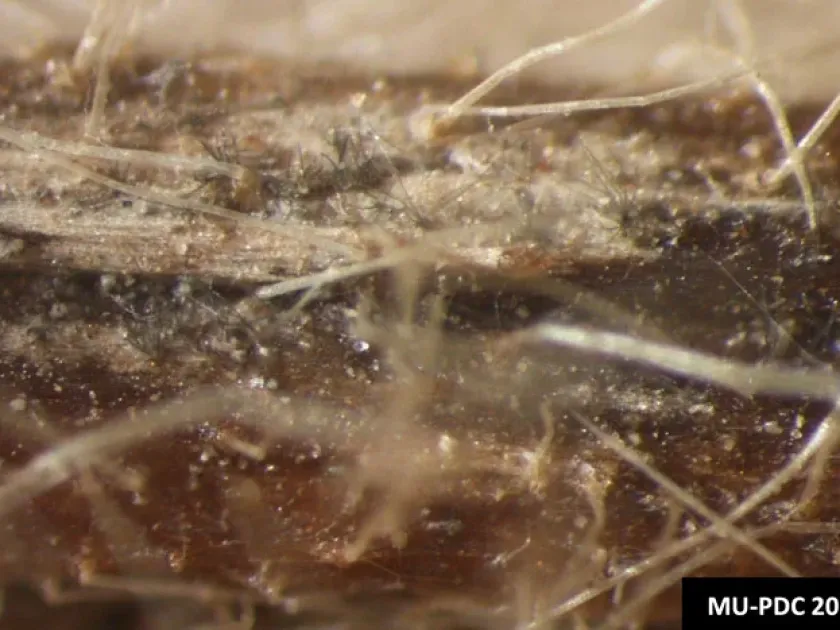
The fungus typically enters soybean tissues through stomata. Once inside, it spreads intercellularly, colonizing the host tissues and eventually emerging through the epidermis to produce conidia, visible as greyish-olive tufts on the surface of the lesions.
High humidity (over 80%) and warm temperatures (23–28°C) are conducive to the rapid spread and development of the disease. Prolonged periods of rainfall during the flowering and early pod-filling stages are especially dangerous, often leading to severe epidemics.
What it damages
The primary impact of the disease is a reduction in both grain yield and quality. By damaging leaf tissue, the fungus reduces the plant's photosynthetic capacity, resulting in poor seed filling, lower weight per thousand seeds, and overall stunted growth.
A distinctive and economically damaging symptom is known as "purple seed stain." Affected seeds develop a light pink to dark purple discoloration, which downgrades the quality of the soybean harvest, making it unfit for processing and reducing seed viability.
Infection leads to premature leaf drop and the drying of stems and pods. This results in underdeveloped seeds and can cause significant losses in yield, often reaching 15–30% in fields under heavy disease pressure during favorable climate conditions.
The disease also adversely affects the biochemical composition of the seeds, causing a reduction in protein and oil content. This makes the crop less valuable for the feed and food industries and impacts the oil quality of the harvested grain.
Furthermore, using infected seeds for the next planting season creates a cycle of reinfection. This leads to poor germination, thin stands, and a higher reliance on fungicide applications throughout the following crop year to maintain healthy production.
Signs of infestation
On leaves, the symptoms appear as small, irregular, brown or reddish-brown lesions. As the disease progresses, these spots may expand and merge, causing large areas of the leaf to become necrotic, which leads to chlorosis and eventual premature abscission.
Pods infected with Cercospora kikuchii exhibit dark brown, somewhat elongated lesions. Under high humidity, a characteristic greyish-olive velvety growth of fungal spores becomes visible on the surface of these pods, facilitating further spread.
Stems and leaf petioles can also be affected, displaying elongated dark spots. If the infection is severe, these areas may become brittle and cause the stems to dry out prematurely, impacting the overall structural integrity of the soybean plant.
The most pathognomonic sign is the purple discoloration on the seed coat. This stain varies in intensity and coverage, often appearing as irregular blotches that differentiate infected seeds from healthy ones, serving as the primary diagnostic tool after harvest.
- Brown or reddish-brown necrotic spots on leaves.
- Chlorotic halos surrounding lesions.
- Greyish-olive fungal sporulation on infected pods.
- Purple discoloration (stain) on the soybean seed coat.
- Premature defoliation before harvest.
Control measures
The most important control measure is the use of high-quality, certified, and fungicide-treated seeds. Proper seed treatment significantly reduces the initial inoculum levels brought into the field via contaminated planting material.
Agronomic practices are essential, including a crop rotation plan where soybeans are not planted in the same field for at least 2–3 years. Deep plowing of crop residues helps to bury infected debris, accelerating the natural decomposition of the fungal mycelium.
During the growing season, timely fungicide applications are critical. The most effective window is between the beginning of flowering and the pod-filling stage. Mixtures containing triazoles and strobilurins are typically recommended for broad-spectrum protection.
Managing weed hosts is another important step, as several weed species can harbor the pathogen throughout the off-season. Additionally, farmers should avoid overcrowding crops to ensure proper air circulation, which helps keep the canopy dry and reduces fungal growth.
Choosing resistant or tolerant soybean varieties is the most sustainable long-term strategy for managing the disease. Consistent field monitoring allows for quick identification of the disease, enabling precise and timely interventions to minimize potential yield losses.
Causes diseases · 1
Discussion
No discussions yet — be the first.