
Cercospora biformis
Cercospora biformis
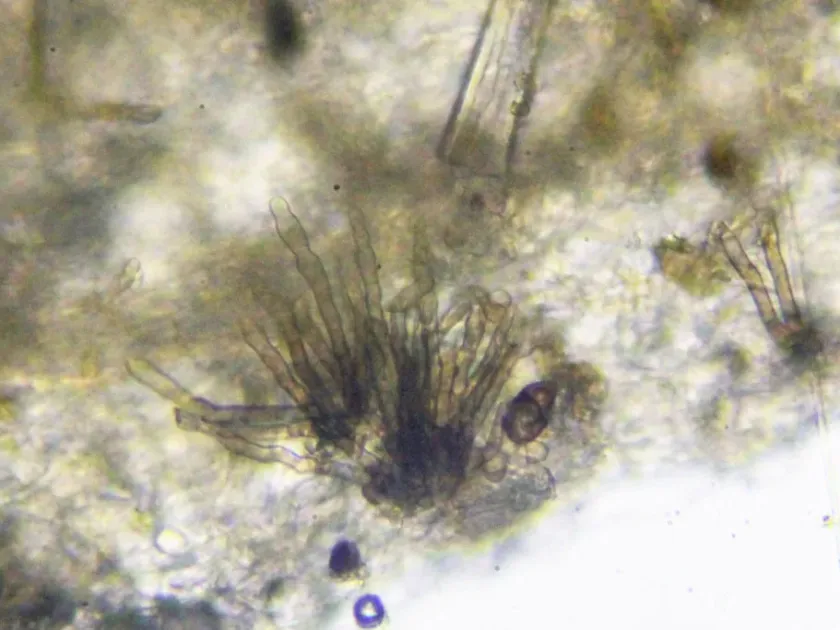
Description
How to identify
Cercospora biformis is a fungal pathogen belonging to the Ascomycota division. This species is recognized for causing leaf spot diseases on a variety of hosts, disrupting essential plant functions such as transpiration and photosynthesis.
The fungus is characterized by the production of conidia, which serve as the primary means of dispersal. These spores can travel through air currents or water splashes, effectively spreading the infection throughout the field during the growing season.
Taxonomically, the fungus is classified within the Dothideomycetes class. Its ability to survive in plant debris makes it a persistent threat in agricultural environments where crop rotation is not strictly followed.
The pathogen penetrates host tissues through stomata or wounds. Once inside, the mycelium colonizes the intracellular spaces, feeding on host nutrients and eventually causing cellular death and necrotic lesion formation.
Accurate identification is typically achieved by examining the morphology of conidiophores and conidia under a microscope, as symptoms can mimic other closely related Cercospora species.
What it damages
The primary damage caused by Cercospora biformis is the destruction of leaf tissue, which drastically reduces the photosynthetic surface area. This results in stunted growth and a significant decrease in overall yield.
Severe infestations lead to premature senescence and leaf abscission. When the plant loses a large portion of its foliage prematurely, it cannot accumulate enough energy to produce quality fruit or seeds.
Damaged tissues become susceptible to secondary opportunistic pathogens, including bacteria and other fungi that cause rot. This complicates the storage process and limits the shelf life of the harvested agricultural products.
Environmental conditions such as high humidity and moderate temperatures significantly favor the spread of this pathogen. In such years, the potential for crop loss in susceptible fields can reach critical levels if left untreated.
Beyond the direct impact on yield, the pathogen decreases the market value of the crop due to poor aesthetics and potentially degraded nutritional quality of the harvested parts.
Signs of infestation
Initial symptoms include the emergence of small, circular spots on the leaf surface. These spots often start as light-colored areas that eventually darken to a brown or necrotic center as the fungus matures.
Under humid conditions, a grey to olive-colored velvety layer appears on the undersides of the leaves within the infected spots. This layer is actually the fungal conidial mass, which provides inoculum for secondary infections.
As the infection progresses, individual spots may coalesce into larger irregular necrotic zones. This rapid expansion of necrosis can cause the entire leaf to curl, wither, and drop prematurely from the plant.
Stems and petioles may also show symptoms, manifesting as elongated dark streaks or lesions that can impede nutrient transport throughout the plant's vascular system.
- Small circular or irregular spots on leaves.
- Visible grey or olive sporulation on lesion centers.
- Chlorosis (yellowing) surrounding necrotic spots.
- Premature defoliation and plant decline.
- Wilting of leaves under intense solar radiation.
Control measures
Crop rotation is the most effective cultural practice for managing Cercospora biformis. By avoiding the cultivation of susceptible hosts on the same ground for multiple years, the pathogen's life cycle is effectively disrupted.
Sanitation practices such as deep plowing of crop residues are essential for reducing the primary inoculum. Burying infected debris accelerates decomposition and prevents the fungus from overwintering effectively.
Planting resistant varieties provides a natural defense against the pathogen. Where possible, selecting cultivars with documented tolerance can significantly reduce the need for chemical intervention.
Fungicides, particularly systemic ones, are recommended when weather conditions favor disease outbreak. Early application is critical, and rotation of different fungicide classes is necessary to prevent the development of resistant fungal strains.
Maintaining adequate plant spacing and weed management reduces microclimatic humidity within the canopy, creating a less hospitable environment for fungal spore germination and mycelial growth.
Causes diseases · 1
Discussion
No discussions yet — be the first.