
Beet western yellows virus
Beet western
Description
How to identify
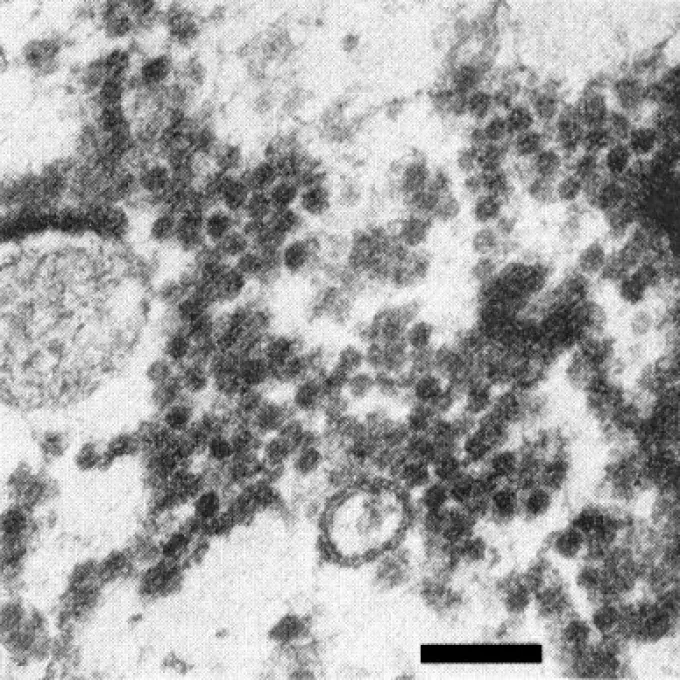
Beet western yellows virus (BWYV) is a plant pathogen belonging to the genus Polerovirus within the family Solemoviridae. It is an RNA virus that relies exclusively on insect vectors, primarily aphids, for transmission and spread.
The virus is phloem-limited, meaning it restricts itself to the plant's vascular tissue. It is transmitted in a persistent, circulative, and non-propagative manner, primarily by the green peach aphid, Myzus persicae.
BWYV has an exceptionally broad host range, infecting over 150 species of dicotyledonous plants. This makes it a significant challenge for agriculture, as the virus can persist in various weed species and alternative crops.
The biology of the virus is intricately linked to the migration patterns of its vectors. Once an aphid acquires the virus from an infected host, it remains capable of transmitting the pathogen for the remainder of its lifespan.
Because the virus is not mechanically transmitted or seed-borne, its occurrence in fields is driven by the timing of aphid colonization. Outbreaks often begin at the field edges, where winged aphids land after migrating from reservoirs.
What it damages
The virus primarily affects sugar beet and fodder beet, causing significant yield losses. It disrupts the plant's ability to transport carbohydrates, leading to smaller, less productive roots and lower sugar content.
Beyond beets, BWYV causes damage to a variety of vegetable crops, including spinach, lettuce, broccoli, and oilseed rape. In these crops, the infection leads to reduced market quality and overall loss of biomass.
Economic losses result from both direct yield reduction and quality degradation. In sugar beet cultivation, the reduction in sugar percentage is a critical factor that lowers the profitability of the harvest for processing plants.
Early-season infections are particularly detrimental. Plants infected in the early stages of development suffer the most severe stunting, which can lead to losses exceeding 50% in heavily infested areas.
In addition to yield loss, infected plants demonstrate increased susceptibility to secondary infections. The weakened state of the plant makes it easier for fungal pathogens to colonize, further impacting crop health and storage longevity.
Signs of infestation
The most characteristic symptom of BWYV is interveinal yellowing of older leaves, while the veins remain green. This symptom is often referred to as "yellows" and is quite distinct from nitrogen or magnesium deficiencies.
Infected leaves often become thickened, leathery, and brittle. On sugar beet, the yellowing can progress to a reddish-orange or bronze discoloration, providing a clear visual indicator of the underlying stress.
Plants affected by the virus typically appear stunted with a reduced leaf canopy. Growth is noticeably uneven across the field, reflecting the localized activity of the aphids that introduced the virus to specific plants.
As the infection advances, the oldest leaves may undergo premature senescence and necrosis. This loss of functional leaf area significantly hinders the plant's photosynthetic capacity during the critical growth phase.
Correct diagnosis often requires laboratory verification, such as ELISA (Enzyme-Linked Immunosorbent Assay) or RT-PCR, to distinguish BWYV from other viruses or physiological disorders that cause leaf yellowing.
Control measures
Management of BWYV relies heavily on controlling the aphid population. Regular field scouting is essential to identify aphid infestations early, allowing for timely intervention with insecticide applications.
Cultural practices are vital for suppression, particularly the removal of weed hosts. Weeds around field margins often act as the primary reservoir for the virus, and their elimination can significantly reduce initial infection rates.
Spatial isolation between susceptible crops helps to minimize the risk of virus spread via wind-borne aphid vectors. Proper crop rotation strategies should also be implemented to break the cycle of infection.
The use of resistant or tolerant cultivars is the most sustainable approach to long-term control. Breeding programs are focused on developing varieties that can maintain yield even when exposed to the virus.
Recommended management strategies:
- Monitor aphid populations using yellow sticky traps or visual inspection.
- Apply systemic insecticides during high-risk periods of aphid migration.
- Clear field margins of weeds that serve as alternative virus hosts.
- Select beet varieties known for improved tolerance to viral yellowing.
Causes diseases · 3
Discussion
No discussions yet — be the first.