
Acrophialophora fusispora
Acrophialophora fusispora
Description
How to identify
Acrophialophora fusispora is a filamentous fungus within the kingdom Fungi, phylum Ascomycota, family Chaetomiaceae. It is recognized as a soil-inhabiting saprotroph that can act as a plant pathogen under favorable conditions.
Morphologically, the fungus is characterized by its distinct conidiophores that bear acrophialides. The conidia, or spores, exhibit a characteristic fusiform (spindle-like) shape, which is diagnostic for the species.
The fungus is highly adaptive and thrives in various soil types, particularly where organic matter is abundant. It plays a significant role in the microbial ecology of the rhizosphere.
Laboratory identification relies on morphological observation of reproductive structures via light microscopy. Genetic sequencing, specifically ITS region analysis, is often required for definitive identification.
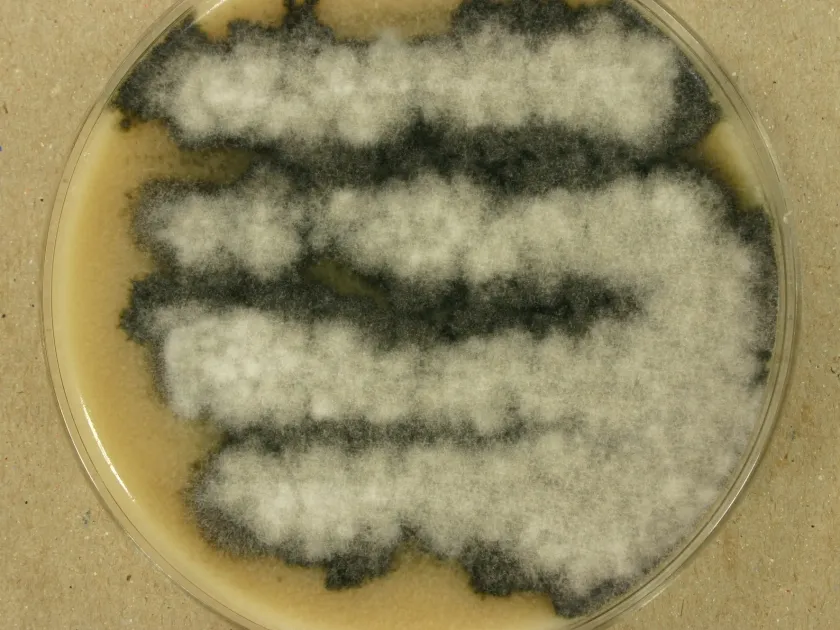
The colonies of Acrophialophora fusispora typically grow as dark-colored mats on standard laboratory media, reflecting their pigment production which protects them against environmental stressors.
##damage##Acrophialophora fusispora primarily infects the root systems of agricultural crops. It causes root rot, which leads to stunted growth, wilting, and decreased nutrient absorption efficiency in infected plants.
The damage starts at the level of fine root hairs and can progress to the primary root structure. This compromised root system fails to sustain the plant during periods of high transpiration.
In addition to root issues, the fungus can impact seed germination, leading to pre-emergence damping-off. This reduces the overall plant density and results in significant yield gaps in the field.
The host range is relatively broad, affecting various vegetables, cereals, and other crops grown in warm climates. The economic impact is felt through both reduced yield and lower quality of harvested products.
In controlled environment agriculture, such as greenhouses, the pathogen can cause rapid spread if the soil or substrate remains constantly moist and warm, leading to substantial crop losses.
When it appears
The pathogen is most active during warm seasons when soil temperatures are conducive to fungal metabolic processes. It is generally considered a warm-adapted species.
Dissemination of the fungus occurs through irrigation water, contaminated soil movement, and equipment. In greenhouse settings, the inoculum can persist indefinitely if sanitation is not managed.
The life cycle begins with the germination of conidia in the rhizosphere, followed by the colonization of root surfaces. The fungus then penetrates the epidermal tissues using specialized structures.
Development is favored by temperatures ranging from 22°C to 28°C and high soil moisture levels. Periods of environmental stress can exacerbate the susceptibility of the host plant to infection.
Sporulation occurs on the surface of necrotic tissues, ensuring the continuity of the life cycle. The fungus may also produce resting structures that allow it to survive periods of extreme drought.
Signs of infestation
Visible symptoms of infection include chlorosis, specifically yellowing of the lower leaves, followed by progressive wilting that worsens during the day. The plants appear unthrifty and lack vigor.
Upon closer examination, roots display brownish or dark lesions. The tissue becomes soft and necrotic as the fungus produces extracellular enzymes to break down plant cell walls.
Seedlings affected by the fungus often fail to emerge or collapse shortly after germination. A fine, greyish to olivaceous mold may be visible on the remains of the seeds or the hypocotyl.
The root system may look decayed and lack healthy, white root tips. The structural integrity of the root system is compromised, often leading to easy uprooting of the plants.
Patchy distribution in the field is a common sign, reflecting the movement of the pathogen through soil or irrigation run-off. Infected patches often show a gradient of disease severity.
Control measures
Integrated Pest Management (IPM) is essential for controlling Acrophialophora fusispora. This includes cultural practices, biological control, and judicious use of fungicides.
Ensuring good drainage in fields and greenhouses is critical, as excessive soil moisture promotes fungal activity. Rotating crops with non-host species can help reduce soil inoculum levels.
- Application of bio-fungicides containing Trichoderma species to compete with the pathogen.
- Sterilization of soil or growing media before planting.
- Removal and destruction of crop residues to reduce the survival of the fungus.
- Use of certified, disease-free seed and high-quality transplants.
Chemical control involves the application of fungicides that are effective against Oomycetes and Ascomycetes. However, resistance management is important to maintain the efficacy of these compounds.
Monitoring for signs of root health throughout the growing season allows for early intervention, which is much more effective than trying to manage a fully established infection.
Causes diseases · 1
Discussion
No discussions yet — be the first.