
Sporothrix
Sporothrix
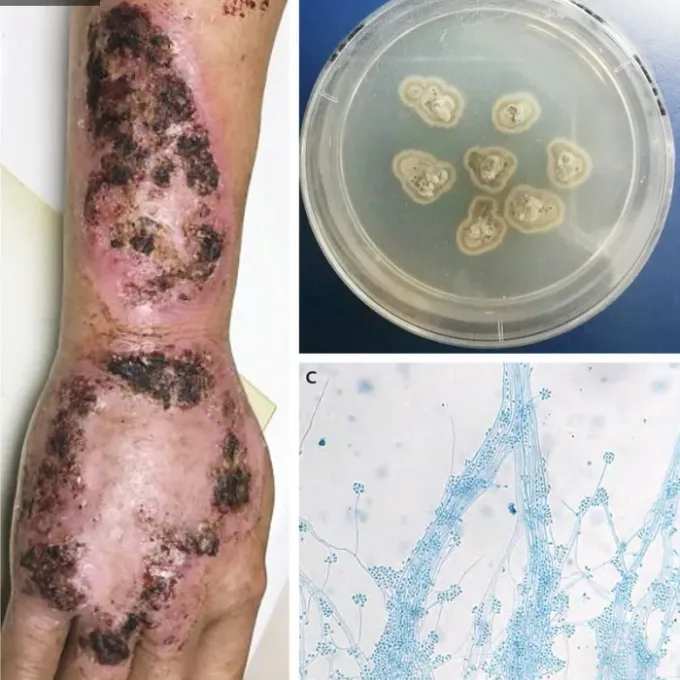
Description
How to identify
The genus Sporothrix belongs to the kingdom Fungi, phylum Ascomycota, and order Ophiostomatales. These are microscopic filamentous fungi known for their sympodial conidiophores and simple, hyaline conidia.
In plant pathology, Sporothrix species are frequently associated with vascular wilt diseases in woody plants. They infiltrate the xylem, colonizing the vessels and impeding the transport of essential water and nutrients.
The life cycle involves an asexual (anamorphic) stage which is critical for dissemination. Conidia are dispersed via wind, rain splash, or through the action of insect vectors, particularly bark beetles.
Laboratory identification involves culturing the fungus on standard media. Colonies often appear whitish to greyish, and microscopic analysis reveals specific conidial arrangement patterns typical for the genus.
It is important to handle infected samples with caution, as some species within this group are known to be opportunistic pathogens in humans, necessitating appropriate safety measures in laboratory and field settings.
What it damages
The primary impact of Sporothrix is observed on trees. They often work in symbiosis with wood-boring insects that transport the spores directly into the tree's internal tissues, bypassing natural defenses.
The fungus causes wood staining, commonly referred to as "blue stain," which degrades the quality of timber and wood products. The physiological decline of the host tree is a significant consequence of vascular occlusion.
In orchards, infection leads to canker formation, dieback of branches, and reduced vigor. The systemic spread of the fungus can ultimately lead to the death of the tree if left unmanaged.
Affected trees display lower resistance to environmental stresses such as drought or freezing temperatures, making them highly susceptible to secondary attacks by other pests and pathogens.
Economic damage is substantial in forestry and fruit production, as the persistent nature of the fungus requires expensive and labor-intensive sanitation efforts to prevent spread to healthy specimens.
When it appears
The development of Sporothrix is most active during the warm months, with temperatures between 18°C and 25°C being optimal for mycelial growth and sporulation.
The spread of the pathogen is closely tied to the lifecycle of insect vectors. Spring and early summer are the peak periods when beetles are active, creating entry points and facilitating infection.
High humidity and consistent rainfall accelerate the germination of spores and their penetration into the xylem. Such conditions are particularly conducive to the rapid spread of the disease within an orchard or forest stand.
During the winter, the fungus typically survives in a quiescent state within the dormant tissues of the host or in infected debris, ready to resume activity once temperatures rise.
Monitoring for symptoms should be most intensive during the active growing season when physiological changes in the host become visually apparent.
Signs of infestation
The most reliable sign of infection is the presence of discoloration in the wood, appearing as blue, grey, or brown streaks in cross-sections of branches or stems, indicating vascular colonization.
Externally, bark lesions, fissures, and sap exudation (gummosis) can be observed. Over time, these areas may become necrotic, leading to bark sloughing and exposed wood.
The crown of an infected tree often shows signs of chlorosis, premature leaf drop, and dieback of terminal shoots, symptoms that reflect the tree's inability to maintain sufficient water supply.
- Darkening of xylem tissues on cut surfaces.
- Presence of greyish sporulation on necrotic bark patches.
- Progressive wilting and thinning of the foliage.
- Formation of sunken cankers on trunks and limbs.
Diagnostic confirmation often requires isolating the fungus and performing microscopic verification to distinguish it from other wood-decaying fungi.
Control measures
Integrated pest management (IPM) is the most effective approach to controlling Sporothrix. Proper sanitation, including the removal and destruction of infected wood, is crucial to reducing spore inoculum.
Controlling insect vectors is vital. Using pheromone traps and applying targeted insecticides can significantly reduce the pressure of wood-boring pests that act as primary vectors for the pathogen.
All mechanical injuries, including pruning wounds, should be treated with appropriate fungicides or wound dressings to prevent the entry of airborne spores into the exposed xylem.
Maintaining optimal tree health through proper fertilization and watering helps build host resistance, making trees less susceptible to secondary colonization by the fungus.
Fungicide applications may be considered in high-value plantations, provided they are applied during periods of high vector activity and in accordance with regional agricultural regulations.
Causes diseases · 1
Discussion
No discussions yet — be the first.