
Soybean yellow mosaic virus
Soybean yellow
Description
How to identify
Soybean yellow mosaic virus is a significant phytopathogen belonging to the genus Begomovirus within the Geminiviridae family. These viruses are characterized by their small, geminate (twinned) particles containing circular, single-stranded DNA.
The virus is primarily transmitted by the whitefly Bemisia tabaci in a circulative, non-propagative manner. Once a vector acquires the virus, it remains infective for the remainder of its lifespan.
The host range is extensive, including various leguminous plants and several weed species. These plants act as primary reservoirs, allowing the virus to survive throughout the winter in milder climates.
The identification of the virus at the laboratory level typically involves molecular methods such as PCR or ELISA. Field identification is based on visual symptom assessment combined with vector monitoring.
The dispersal of the virus follows the movement patterns of the whitefly population. Environmental factors that favor vector proliferation significantly increase the incidence of viral infection.
What it damages
The pathogen specifically impacts the physiological development of the soybean plant. By interfering with host metabolism, it redirects essential nutrients away from the grain and towards viral replication.
Infected plants typically show stunted growth and poor branching. This architectural change significantly lowers the plant's capacity to support a high volume of pods compared to healthy counterparts.
Yield losses are most dramatic when infection occurs during the V3 to V5 growth stages. The impact includes both the quantity of pods produced and the individual size and weight of the seeds.
Nutritional quality is often compromised in diseased plants. Studies indicate a reduction in crude protein content and oil concentration in the beans harvested from virus-infected fields.
The overall vigor of the soybean stand is reduced, making the crop more susceptible to environmental stressors such as heat, drought, and secondary opportunistic pathogen attacks.
Signs of infestation
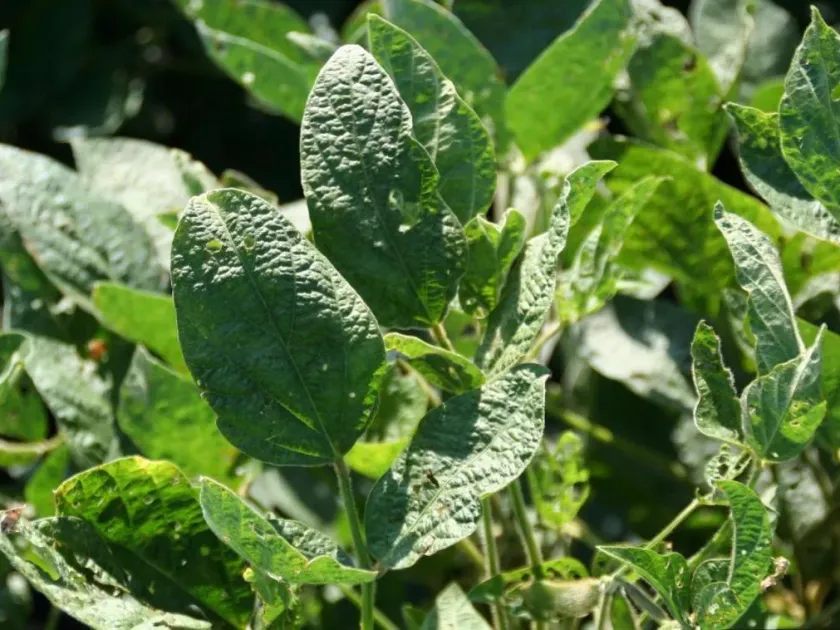
Visual symptoms usually start on the youngest, newly developing leaves of the soybean canopy. These leaves exhibit a distinctive mosaic pattern of yellow and light green chlorosis.
Leaf crinkling and rugosity (wrinkling) are frequent symptoms. The leaf blades often become twisted or deformed, which can be easily confused with herbicide drift injury by inexperienced scouts.
Vein clearing is a characteristic early sign of the infection. As the disease progresses, the chlorotic patterns become more pronounced, sometimes leading to a brilliant yellow appearance of the entire foliage.
Internodal shortening is frequently observed in infected plants, leading to a bunchy appearance of the stem tips. This symptom is a direct result of the virus disrupting hormonal pathways.
- Bright yellow mosaic pattern on foliage.
- Leaf distortion and curling.
- Stunted plant growth and shorter internodes.
- Reduced pod set and development.
- Early-stage vein clearing or yellowing.
Control measures
Managing the whitefly vector is the primary strategy for limiting the spread of the virus. Integrated Pest Management (IPM) practices, including the use of systemic insecticides, are vital in high-risk areas.
Cultural control includes the destruction of weed hosts in and around soybean fields. Reducing the reservoir of the virus minimizes the initial inoculum available for insect vectors.
Choosing resistant or tolerant soybean varieties is the most sustainable approach to long-term disease management. Breeders continue to work on developing lines with improved viral defense mechanisms.
Spatial isolation between different plantings can help reduce the pressure from insect migration. Planting at the optimal window to avoid peak whitefly population cycles is also highly recommended.
Regular scouting and early detection are key to protecting yield potential. Monitoring for insect activity helps in making timely decisions regarding the application of chemical control measures.
Discussion
No discussions yet — be the first.