
Rice yellow dwarf
Rice yellow
Description
How to identify
Rice yellow dwarf (RYD) is a serious viral-like disease caused by a phytoplasma. This pathogen is an obligate parasite that resides within the phloem tissue of the rice plant, severely disrupting its metabolic processes.
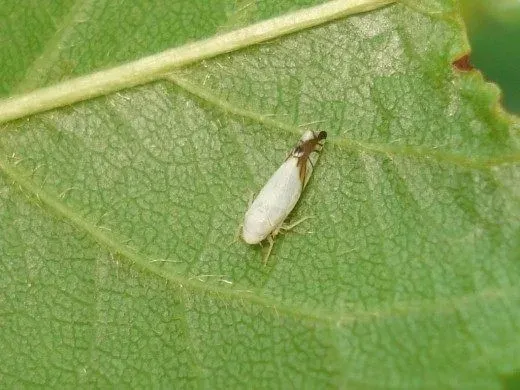
The pathogen is not mechanically transmitted or seed-borne. Its primary vector is the green leafhopper (Nephotettix virescens). The insect acquires the phytoplasma by feeding on infected plants and maintains the ability to transmit it for the rest of its life cycle.
Upon entering the leafhopper, the phytoplasma undergoes an incubation period within the insect's salivary glands. Only after this incubation is the insect capable of infecting healthy rice crops during its feeding process.
Taxonomically, the RYD agent is a wall-less bacterium that lives in the plant's sieve tubes. Its colonization leads to the blockage of nutrient transport and disrupts the translocation of photoassimilates to the roots and developing grains.
The disease persists in the environment by surviving in various alternative hosts, particularly wild perennial grasses, which act as reservoirs for the phytoplasma throughout the year.
What it damages
Rice (Oryza sativa) is the primary crop affected by this pathogen. While infection can occur at any growth stage, young plants during the tillering phase are particularly susceptible to severe damage.
The economic impact of Rice yellow dwarf is substantial. In endemic areas, the disease can lead to significant yield losses, often ranging from 50% to over 80% if management practices are neglected during the early stages of infection.
Infected fields exhibit patchy growth, with severely stunted and yellowed plants. This lack of uniformity causes significant complications during harvest and reduces the overall market value of the grain.
Productivity is severely impaired because affected plants fail to produce grain or develop only sterile, shriveled panicles. This leads to a marked decrease in grain weight and milling quality.
Beyond direct yield loss, the physiological weakening of the crop makes it more vulnerable to opportunistic secondary pathogens, which can exacerbate the decline of the rice stand.
Signs of infestation
The most prominent symptom is a characteristic yellowing (chlorosis) of the leaves. This yellowing usually begins on the younger leaves and eventually spreads across the entire foliage of the affected plant.
Stunting is a defining feature of the disease. Due to the drastic shortening of internodes, infected rice plants remain very short and adopt a bushy appearance, characterized by excessive, abnormal tillering.
Reproductive development is often halted. Many infected plants fail to produce panicles, and those that do often remain partially trapped within the leaf sheath, appearing deformed and empty of healthy grains.
The root system of infected plants is also compromised, appearing underdeveloped and shallow. This hinders the plant's ability to uptake water and essential minerals, further worsening the symptoms of stress.
- Intense chlorosis (yellowing) of foliage.
- Severe internode shortening.
- Abnormal and excessive tillering.
- Failure to produce healthy panicles.
- General stunted growth and decline.
Control measures
The management of Rice yellow dwarf primarily focuses on controlling the vector populations. The use of systemic insecticides against green leafhoppers is critical, particularly in areas with a history of disease outbreaks.
Cultivating resistant or tolerant rice varieties is the most sustainable and effective long-term solution. Breeders work to identify and incorporate genes that provide natural immunity or resilience against the phytoplasma.
Field sanitation is a vital practice, which includes the removal and destruction of weed hosts and alternative vegetation along field borders and irrigation channels, where vectors typically survive.
Integrated crop management, including the synchronization of planting dates across a wide area, helps to disrupt the life cycle of the leafhoppers and prevents the rapid spread of the disease between neighboring fields.
Consistent monitoring using light traps and field scouting allows for timely intervention. If vector densities exceed economic thresholds, prompt application of appropriate control measures is necessary to protect the yield.
Discussion
No discussions yet — be the first.