
Maize Rhizoctonia
Rhizoctonia zeae
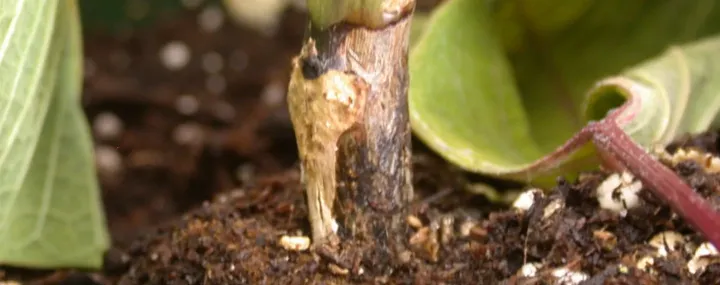
Description
How to identify
Maize Rhizoctonia (Rhizoctonia zeae) is a soil-borne fungal pathogen belonging to the Basidiomycota phylum. It survives in the soil primarily as sclerotia or mycelia embedded in organic debris, allowing it to persist across multiple growing seasons.
Under microscopic analysis, the pathogen displays distinct right-angled branching of its hyphae, a classic diagnostic feature for the Rhizoctonia genus. It typically does not produce sexual spores, making it a persistent and difficult pathogen to manage once established in a field.
What it damages
The primary host for this fungus is maize (Zea mays), but it has a broad host range including several forage grasses. The pathogen affects the root system and the lower stalk, causing significant structural damage to the plant's foundation.
Economic damage is driven by stand reduction, uneven crop maturity, and reduced nutrient uptake. In severe cases, particularly under stressful environmental conditions, the infection can lead to lodging and significant harvest losses.
When it appears
The fungus is thermophilic, meaning it thrives in warm, moist soil environments. Development is most aggressive when temperatures exceed 25–30 °C, which often aligns with the mid-vegetative stages of the maize crop.
The infection cycle initiates when sclerotia germinate in response to root exudates from host plants. The hyphae then invade the root cortical cells, causing rapid decay of the tissue and allowing the pathogen to advance toward the crown of the plant.
Signs of infestation
Symptoms often manifest as stunted growth and chlorosis of the lower leaves. As the infection progresses, the root and crown tissues darken significantly, often turning a dull brown or reddish-brown color due to necrotic tissue decay.
- Seedling blight leading to early-season stand loss.
- Development of necrotic lesions at the base of the stalk.
- Premature leaf firing and wilting in the mid-to-late season.
- Easy uprooting of plants due to severe root decay.
Control measures
Integrated pest management (IPM) is essential to suppress Rhizoctonia zeae. The use of effective fungicide seed treatments is the first line of defense, providing a protective barrier for the germinating seed and young roots against soil-borne inoculum.
Cultural strategies such as proper tillage to improve soil drainage are highly recommended. Additionally, avoiding short-term crop rotations with susceptible species helps lower the long-term soil population density of the pathogen's sclerotia.
Causes diseases · 1
Discussion
No discussions yet — be the first.