
Red leaf blotch of plum
Polystigma graminis
Description
How to identify
The causal agent of the red leaf blotch of plum is the fungus Polystigma rubrum, a member of the Ascomycota phylum. It is a highly specialized parasite that affects various species of the Prunus genus, particularly plum and sloe.
The fungus primarily colonizes the leaf tissue, where it develops its reproductive structures known as stromata. Its life cycle is strictly dependent on the presence of fallen leaves during the winter season.
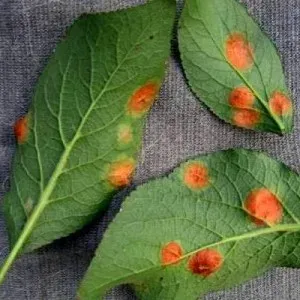
The fungal mycelium penetrates the leaf blade, causing significant thickening of the tissue and a striking change in color to bright red. This disruption negatively impacts the plant's ability to carry out photosynthesis.
Identification is mainly based on the presence of characteristic red spots on the upper leaf surface. The pathogen is spread via spores released from the infected leaves during the spring.
The development of the fungus requires specific environmental conditions, characterized by high relative humidity and moderate temperatures, which facilitate the germination of overwintering spores.
What it damages
The primary hosts are plum trees (Prunus domestica) and related species like cherry plum. The disease can cause severe damage in both commercial orchards and home gardens if left unmanaged.
Infection leads to premature leaf drop, which significantly weakens the tree before it enters dormancy. This reduction in foliage health makes the tree less resilient during the cold winter months.
By interfering with photosynthesis, the disease restricts the tree's ability to accumulate energy reserves, leading to fewer flower buds and a subsequent decrease in fruit yield for the following year.
Severe infections can reduce the frost resistance of the branches, potentially resulting in winter kill of young shoots. Over time, chronic infection leads to stunted growth and premature tree decline.
Fruit quality is also negatively affected; as the tree's overall vigor declines, the plums produced become smaller, less sweet, and lose their market value, impacting overall farm profitability.
When it appears
Initial symptoms of the disease become visible in late spring, immediately after the blooming period. Small, pale spots appear on the developing leaves, which gradually evolve in color.
Throughout the summer months, specifically June and July, these spots enlarge and turn a vivid red or orange. This phase represents the most active growth period for the fungal pathogen.
As autumn arrives, the fungus begins to form black, dot-like stromata within the infected areas of the leaf. These structures remain dormant on the ground throughout the winter.
The spring season is critical for the disease cycle. As temperatures rise and rain falls, the overwintering stromata release ascospores, which are then carried by wind to newly emerging leaves.
Active spread can continue into mid-summer depending on weather conditions. Rainy and humid weather is the primary driver for the expansion of the infection within the plum orchard.
Signs of infestation
Distinct, circular red spots appear on the upper side of the leaves. Over time, these spots can coalesce, covering significant portions of the leaf surface with a bright red or orange hue.
The leaf tissue within the affected areas undergoes a structural change, becoming thicker and slightly swollen. This is a tell-tale sign that distinguishes this pathogen from other leaf spots.
Tiny black dots may be observed on the surface of these red spots. These are the developing reproductive structures (stromata) of the fungus, confirming the presence of the pathogen.
In cases of heavy infection, the leaves may curl, deform, and undergo chlorosis. Premature leaf drop, often starting in mid-summer, is the most common diagnostic sign of a severe outbreak.
- Bright red or orange spots on leaves.
- Thickened and raised tissue areas.
- Premature yellowing and leaf shedding.
- Reduced vigor of the entire canopy.
Control measures
The most effective cultural practice is the collection and destruction (burning or deep burial) of all fallen leaves in the autumn. This removes the primary source of inoculum for the next season.
Chemical control involves the application of fungicides during the green bud stage and again immediately after flowering. Copper-based sprays or triazole fungicides are typically recommended.
Pruning is essential to improve airflow and sunlight penetration within the canopy. A well-ventilated tree canopy reduces humidity levels, making the environment less favorable for fungal growth.
Maintaining optimal tree health through balanced fertilization and appropriate irrigation helps the tree develop a better defense mechanism against the parasite and recover from stress.
In orchards with a history of the disease, prophylactic treatments should be conducted consistently. Rotating fungicide classes is recommended to prevent the development of resistant fungal strains.
Causes diseases · 1
Discussion
No discussions yet — be the first.