
Physiological plant disorders
Physical disorder
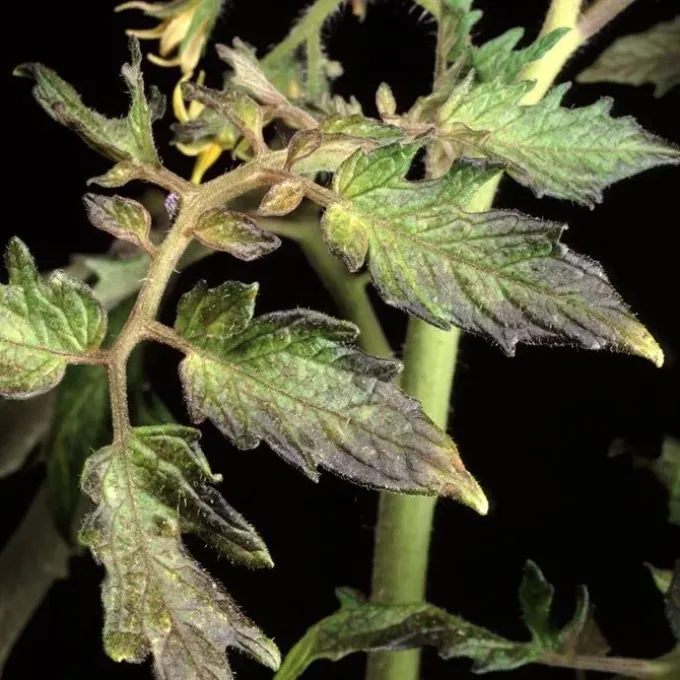
Description
How to identify
Physiological plant disorders are conditions that impair the normal functioning of plants due to non-pathogenic factors. Unlike infectious diseases caused by fungi, bacteria, or viruses, these disorders originate from environmental stress factors that disrupt internal metabolic processes.
These conditions are not transmissible from one plant to another, which is a crucial distinction for field diagnostics. If you observe symptoms appearing uniformly across a single cultivar, it is highly likely that the cause is abiotic rather than biotic.
The primary drivers of these disorders include extreme temperatures, water stress (drought or waterlogging), imbalanced nutrient levels in the soil, and suboptimal light conditions. Chemical toxicity, often resulting from improper pesticide application, is also a common cause.
Taxonomically, physiological disorders are categorized as abiotic disturbances. They lack a scientific classification as living organisms because they represent a state of homeostatic imbalance within the plant tissue caused by external physical or chemical environments.
To confirm the diagnosis, an agronomist must evaluate the entire cultivation history, including weather data, soil analysis, and management practices. Only after ruling out infectious agents can a physiological disorder be definitively identified.
What it damages
Physiological disorders can affect virtually any type of crop, from cereals and vegetables to orchard fruits. Because they are driven by environmental conditions, they often manifest on a massive scale when the climate deviates from the plant's physiological requirements.
Vegetable crops, such as tomatoes and cucumbers, are particularly susceptible to humidity and temperature fluctuations. Common consequences include blossom end rot, leaf curling, or fruit cracking, all of which significantly degrade market quality.
Cereals often suffer from physiological stress during heatwaves, resulting in sterility or premature leaf chlorosis. These conditions prevent the plant from fulfilling its yield potential, leading to lower grain weight and reduced grain quality.
Fruit trees may exhibit signs of nutrient imbalance, such as chlorosis or premature fruit drop. This is a direct physiological response to the tree’s inability to maintain metabolic functions due to the lack of specific essential elements in the soil or plant tissues.
In greenhouses, disorders related to microclimate management are frequent. High humidity coupled with low temperatures often leads to plant edema, where excess water causes cells to burst, subsequently opening the door for secondary fungal infections.
When it appears
The appearance of symptoms is directly tied to the timing of the stressor. Since there is no living pathogen involved, these disorders do not have a biological life cycle or incubation period; they manifest as immediate or delayed responses to stress.
Springtime often brings disorders triggered by late frosts following the onset of vegetative growth. This can lead to bud necrosis or damage to young, tender tissues, which then hampers the plant's ability to develop normally throughout the season.
Summer heat and soil drought are critical periods when physiological disorders linked to water deficit occur. In these conditions, plants may wilt despite the presence of water in the soil if their root systems cannot keep pace with high transpiration rates.
Autumn conditions, characterized by excessive rainfall, can cause physiological issues like pre-harvest sprouting in grains or root vegetable cracking. These symptoms are a response to sudden changes in turgor pressure within the plant cells.
Low light intensity, particularly during the off-season, leads to etiolation and weak stem growth. Such plants possess reduced metabolic stability, making them highly susceptible to any subsequent negative environmental impact.
Signs of infestation
The hallmark of a physiological disorder is the uniform pattern of symptoms across a field or a specific variety. If all plants of a particular genotype show identical symptoms, it is strong evidence that an abiotic factor is to blame.
Chlorosis is one of the most common signs. Leaves yellowing due to deficiencies in magnesium, iron, or nitrogen occur symmetrically, and the leaf tissue remains firm, lacking the spotting or sporulation associated with fungal or bacterial infections.
Necrotic spots caused by physiological factors usually have distinct, geometric, or location-based patterns. Sunscald on fruits, for example, is always restricted to the sun-exposed side, distinguishing it from the haphazard, systemic spotting caused by disease.
Structural deformations, such as leaf curling or growth stunting without decay, often point to hormonal imbalances. This is frequently a physiological reaction to chemical stress, such as exposure to herbicide drift.
Internal fruit disorders, such as pulp browning or loss of texture, are often unseen until harvest. These are direct results of calcium metabolism disruption or improper gas exchange during the fruit's maturation phase.
Control measures
The primary management strategy is the implementation of optimal agronomic practices. Ensuring balanced plant nutrition through soil testing and leaf tissue analysis is essential for preventing deficiencies that lead to these disorders.
Soil management, including pH adjustment, is critical. Maintaining the correct acidity allows for the efficient uptake of microelements, which prevents many symptoms that are often misdiagnosed as infectious diseases.
Selecting varieties and hybrids that are resistant to environmental stress is a vital preventive measure. Modern breeding programs focus on increasing plant resilience to temperature swings and water scarcity.
Efficient irrigation systems are key to maintaining a stable water balance. Proper water management helps avoid many of the issues related to physiological wilting and prevents the tissue cracking caused by inconsistent water uptake.
The application of anti-stress products, such as amino acids and plant growth regulators, helps plants recover quickly after abiotic stress events. These solutions provide the necessary support for plants to regain their metabolic balance and maintain yield.
Causes diseases · 1
Discussion
No discussions yet — be the first.