
Phosphorus deficiency
Phosphorus deficiency
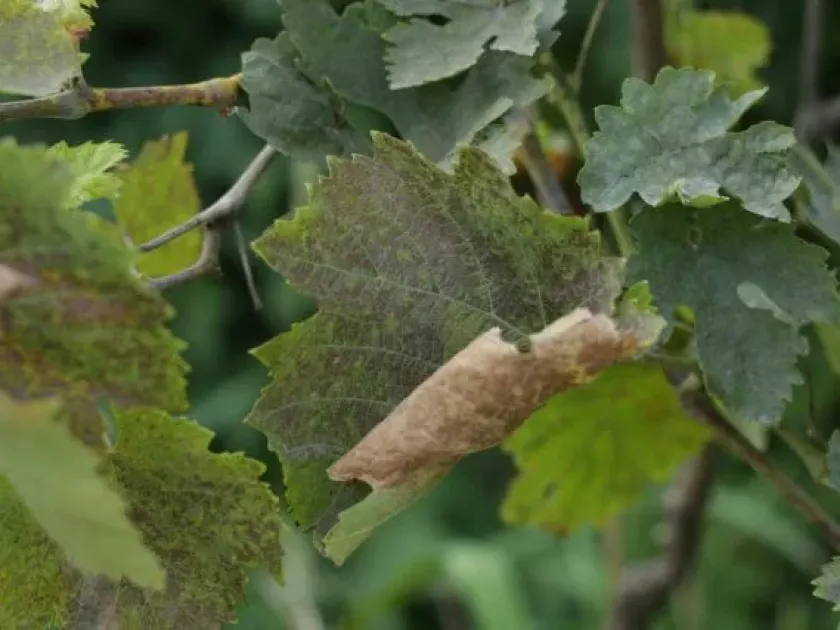
Description
How to identify
Phosphorus deficiency is a physiological plant disorder resulting from an insufficient supply of phosphorus, which is essential for energy transfer, photosynthesis, and root development. It is an abiotic condition, distinct from infectious pathogens, typically caused by soil chemical constraints.
What it damages
This disorder impacts a broad spectrum of crops, including cereals, legumes, and vegetable crops. It is particularly detrimental during the early growth stages, often limiting seedling establishment and delaying maturity in critical stages of crop development.
Crops grown in cold, wet, or acidic soils are at the highest risk. In these environments, phosphorus becomes chemically bound to soil particles (such as iron or aluminum oxides), preventing roots from absorbing the nutrient effectively.
Signs of infestation
The hallmark symptom is stunted growth and the development of a dark green foliage that often develops a distinct purple, reddish, or bronzed tint on the leaf margins. This discoloration usually starts in the older, lower leaves as the plant translocates phosphorus to younger, growing tissues.
Root systems are notably underdeveloped, leading to poor nutrient uptake and reduced vigor. Furthermore, the flowering and fruit setting stages are frequently delayed, which directly impacts the total yield potential and quality of the harvest.
Control measures
Effective management requires soil testing to determine pH levels and available phosphorus content. Correcting soil pH through liming is often necessary to release bound phosphorus, making it available for plant uptake once again.
Application of soluble phosphate fertilizers, such as DAP or MAP, placed near the root zone at planting, is the standard practice for prevention. In cases of severe deficiency, foliar applications of phosphorus-rich solutions can provide a rapid, temporary remedy to support the plant.
Causes diseases · 1
Discussion
No discussions yet — be the first.