
Phoma leaf spot of grape
Phoma diplodiella
Description
How to identify
Phoma leaf spot, caused by the fungus Phoma diplodiella, is a significant pathogen of grapevines. This fungus is classified within the Ascomycota division and specifically targets Vitis species.
The pathogen overwinters as pycnidia on the surface of infected wood, stems, and mummified berries left on the vineyard floor or attached to the vine. This allows it to persist in the environment from one season to the next.
In spring, when temperatures rise and rainfall occurs, spores (pycnidiospores) are released from the pycnidia. They are disseminated by splashing rain and wind currents, facilitating the infection of new, emerging tissues.
Infection primarily occurs through wounds on the vine, such as pruning cuts, hail damage, or feeding sites from insects. Once inside, the fungus colonizes the plant tissue, establishing its life cycle.
The fungus thrives in warm, humid conditions, which are ideal for its mycelial growth. Effective identification requires observing the tissue for necrotic spots and the presence of characteristic black, pinhead-sized pycnidia.
What it damages
This pathogen impacts all aerial parts of the grapevine, including shoots, leaves, and grape clusters. The most destructive form of the disease is the infection of rachises (the stem of the cluster).
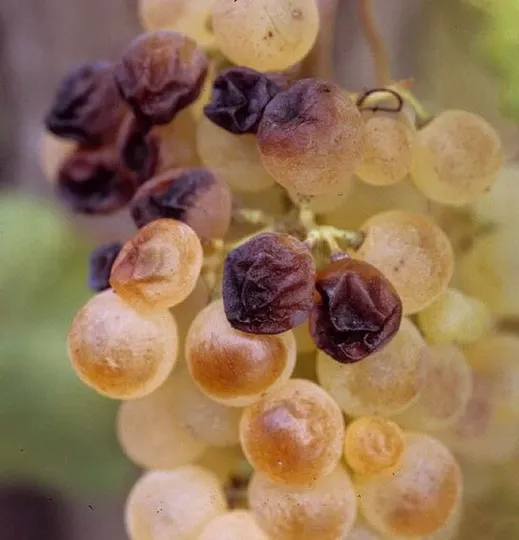
When the rachis is affected, the supply of nutrients to the berries is severed. This causes the berries to dehydrate, shrivel, and eventually drop, leading to substantial yield losses.
Chronic infection weakens the vine, reducing its overall vigor and cold hardiness. Over several seasons, the pathogen can kill entire branches or arms of the grapevine, necessitating major renovation.
The shoots become brittle due to localized necrosis, making the trellis management and pruning processes more difficult and increasing the risk of further mechanical injury.
In addition to yield loss, the disease increases production costs due to the need for aggressive fungicide spray programs to manage outbreaks during favorable weather conditions.
Signs of infestation
Initial symptoms on shoots appear as brown, water-soaked spots that expand over time. These lesions often circle the shoot, causing the bark to crack and peel, which leads to tissue death.
Leaf lesions present as light-colored spots surrounded by a dark brown margin. While often considered a secondary symptom, extensive leaf infection can significantly reduce photosynthetic efficiency.
Grape clusters display the most alarming signs just before veraison. The cluster stem (rachis) darkens, turns brown, and becomes desiccated, halting the berry ripening process immediately.
Affected berries change color, becoming grayish or purplish, and shrivel rapidly. The surface becomes densely covered with minute black pycnidia, giving the cluster a characteristic "mummified" appearance.
Internal examination of infected older canes often reveals darkened, necrotic tissues that may extend deep into the wood, indicating the presence of established perennial infections.
Control measures
The foundation of management is sanitation. Removing and burning infected canes, leaves, and mummified fruit is critical to reduce the primary inoculum load in the vineyard.
Maintaining an open, airy canopy through proper shoot positioning and thinning is essential. Improved airflow reduces humidity around the fruit, making the environment less hospitable for fungal growth.
Chemical control focuses on preventive fungicide applications. Copper-based compounds are traditional, but modern systemic fungicides including triazoles and strobilurins are highly effective when applied correctly.
- Disinfecting pruning tools between vines to prevent spread.
- Minimizing mechanical wounds during tractor operations.
- Improving vine nutrition to promote natural defense mechanisms.
- Scheduling fungicide applications around critical growth stages.
Integrated pest management (IPM) strategies, which combine cultural practices with timely chemical interventions, are the most reliable way to maintain a healthy and productive vineyard.
Discussion
No discussions yet — be the first.