
Leptothyrium
Leptothyrium
Description
How to identify
Leptothyrium is a genus of fungi within the class Dothideomycetes. It is recognized as a phytopathogen responsible for various types of leaf spotting and necrotic diseases affecting a wide range of woody plants and shrubs.
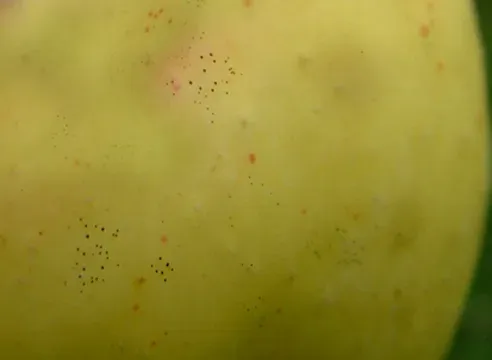
The fungus is characterized by the production of small, dark, shield-like fruit bodies known as thyriothecia. These structures typically erupt through the host plant's epidermis, serving as the main diagnostic feature for identification.
The life cycle involves the formation of conidia, which are asexual spores. These spores are dispersed by splashing water, rain, and air currents, landing on susceptible host tissues to initiate new infections during the growing season.
Taxonomically, the genus is closely related to other members of the Microthyriaceae family. Its development is highly dependent on humidity levels, making it a common issue in temperate, moist climates where leaf moisture remains for extended periods.
Microscopic analysis is often necessary to confirm the genus, as the structures are quite distinct in their morphology, particularly the arrangement of the pycnidia within the leaf tissue.
What it damages
The primary damage caused by Leptothyrium is the premature degradation of the leaf surface, which impairs the plant's photosynthetic capacity. This leads to weakened growth, reduced vigor, and early leaf drop.
In ornamental plants, the infection significantly diminishes aesthetic value, rendering shrubs and young trees unsuitable for sale. The foliage becomes discolored, spotted, and thin, affecting the overall health and vitality of the specimen.
Heavy infections can stress plants to a point where they become susceptible to secondary pathogens and environmental stressors such as drought or frost. Chronic infection year after year may lead to stunted development of the entire tree.
In fruit-bearing crops, the loss of foliage negatively impacts fruit development. Without adequate leaf surface to support photosynthesis, yields may be reduced, and the quality of the harvest may decline significantly.
While the pathogen rarely kills mature, healthy plants outright, the impact on young nursery stock can be devastating if not controlled, often requiring the culling of entire batches of plants in high-moisture environments.
Signs of infestation
The most common symptom is the development of brown or black circular spots on leaves. These spots are often surrounded by a chlorotic halo, indicating the plant's physiological reaction to fungal toxins.
A hallmark sign of Leptothyrium is the presence of tiny, pin-point black structures (pycnidia) found in the center of the leaf lesions. These structures can be seen with the naked eye and are even more distinct under a hand lens.
Under conditions of high humidity, the centers of these spots may soften or drop out, creating a shot-hole appearance. This leaf damage can be severe enough to cause curling or premature wilting of the affected foliage.
Symptoms are usually found on both sides of the leaf, though they are often more pronounced on the lower surface. Infected leaves may turn yellow or brown long before the natural onset of autumn dormancy.
Early-stage infections are often overlooked, but as the fungus matures and produces spores, the spots become more numerous and begin to coalesce, eventually covering large portions of the leaf blade.
Control measures
Sanitation is the cornerstone of Leptothyrium management. Because the fungus overwinters on fallen leaves, raking, removing, and burning debris from the garden is essential to break the disease cycle.
Improved cultural practices are vital; pruning trees to open the canopy increases airflow and speeds up leaf drying. This reduction in humidity is a significant deterrent to the germination and spread of fungal spores.
Chemical control involving copper-based fungicides or modern systemic products (such as strobilurins or triazoles) can be effective. Timing applications to match the period of new leaf emergence is crucial for success.
Avoid overhead irrigation, especially in the late afternoon. Keeping leaves dry for as long as possible prevents the spores from finding the moisture necessary to penetrate the plant tissue.
Monitoring is key; inspect plants regularly during the spring. If symptoms are detected, remove the most heavily infested leaves immediately and apply the necessary preventative treatments to protect the remaining canopy.
Causes diseases · 1
Discussion
No discussions yet — be the first.