
First symptoms of plant pathogens
First symptoms
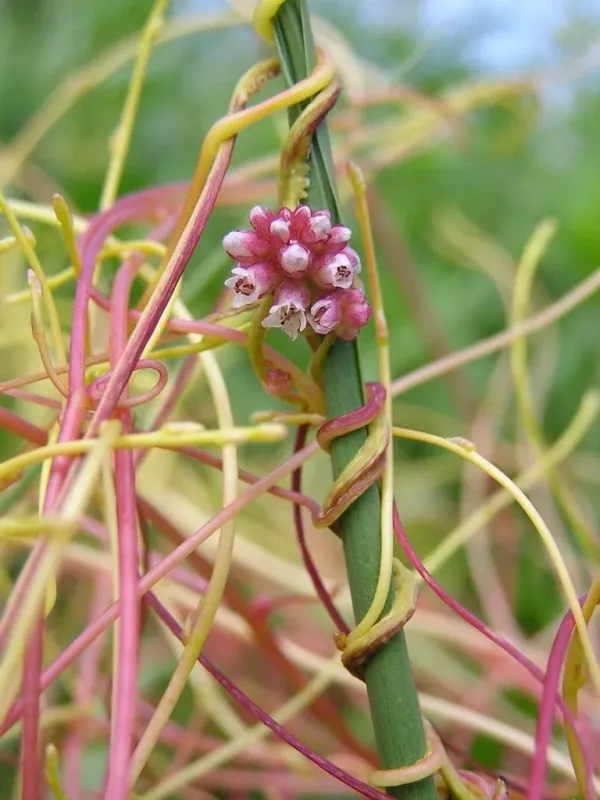
Description
How to identify
First symptoms represent a set of external morphological changes occurring on a host plant at the initial stage of pathogen infection. Identification at this stage is critical, as visual manifestations often precede mass sporulation and irreversible tissue damage.
For accurate identification, an agronomist must consider the localization of changes: root system, leaf blade, stem, or generative organs. Initial symptoms are often masked by nutrient deficiencies, requiring careful inspection using a magnifying glass.
An important diagnostic tool is the analysis of lesion development dynamics. Most pathogens cause chlorosis, necrosis, anthocyanin coloration, or loss of tissue turgor, which develop according to specific patterns characteristic of a particular pathogen.
Microscopic analysis of tissue samples at the boundary of healthy and affected areas allows for the detection of fungal mycelium, sporulation, or bacterial colonies. Without laboratory confirmation, first symptoms are often misdiagnosed, leading to incorrect protection tactics.
A systematic approach to diagnostics includes maintaining a phytosanitary field log. Regular monitoring allows for the detection of infection clusters before the epidemic reaches an active phase, which significantly increases control efficiency.
What it damages
First symptoms can manifest on most agricultural crops, from cereals and legumes to vegetables and orchards. The type of damage varies from local spots to systemic vascular system infections.
When cereal crops are infected, pathogens primarily attack lower leaves, entering through stomata or mechanical wounds. In vegetables, initial signs often appear on cotyledons or first true leaves, which can lead to seedling death.
Root pathogens cause darkening and softening of root tissues, leading to growth retardation and general plant chlorosis. Such damage often goes unnoticed until signs of wilting in the aerial part appear.
Infection of generative organs at an early stage may result in petal discoloration, ovary deformation, or the appearance of coatings on inflorescences. This leads to direct yield reduction and degradation of produce quality.
Consequences of ignoring first symptoms include not only quantitative yield losses but also the accumulation of inoculum in the soil and crop residues, which complicates future cultivation in the crop rotation.
When it appears
The timing of first symptom appearance is strictly correlated with the biological cycle of the specific pathogen and environmental conditions. Activation most often occurs during the active growth phases of plants in conditions of high humidity.
The spring period is characterized by primary infections from overwintered inoculum, which activates as soil and air temperatures rise. During this time, pathogens intensively utilize plant tissues weakened after winter.
The summer period, especially under conditions of heavy rainfall or dew, promotes secondary infections as pathogen spores spread via wind, raindrops, or insect vectors. First symptoms develop rapidly during this period.
Conditions of high relative humidity (above 80%) and moderate temperatures trigger spore germination for most fungal phytopathogens. In the absence of these factors, the development of first symptoms may be delayed.
Agrotechnological factors, such as crop density, violation of crop rotation, and unbalanced nitrogen fertilization, create a favorable microclimate for the emergence of early disease signs even under non-optimal weather conditions.
Signs of infestation
Typical signs of infection are chlorotic spots that eventually become necrotic. A halo often forms around the spots—a zone of toxic impact by pathogen metabolites on living plant cells.
The appearance of powdery, velvety, or web-like coatings on the lower or upper leaf surface indicates the onset of the sporulation process. This is a clear signal that the pathogen has moved to an active reproduction phase.
Loss of tissue turgor, manifesting as wilting of specific parts or the whole plant despite sufficient moisture, indicates vascular or root damage. This is often accompanied by darkening of vascular bundles on a stem cross-section.
- Appearance of yellowish or brownish spots of various shapes.
- Curling or deformation of the leaf blade.
- Mycelium or spore coatings on the surface of affected tissues.
- Stunting of growth and development of vegetative organs.
- Premature yellowing and leaf drop.
Characteristic signs also include the release of exudate (bacterial slime drops) on the surface of affected areas, which is a distinctive feature of bacterial infections compared to fungal diseases.
Control measures
Control at the first symptom stage is based on preventive measures and timely application of fungicides or bactericides. Pre-emptive seed treatment with protectants prevents early-stage infections.
Agrotechnical control methods include strict crop rotation, timely incorporation of crop residues, use of resistant varieties, and optimization of planting density to improve canopy aeration.
Upon detection of initial symptoms, fungicidal treatment with systemic preparations capable of halting pathogen development within plant tissues is necessary. The choice of agent depends on the species of the identified phytopathogen.
Regular field monitoring, using pheromone traps or disease forecasting systems, allows for the reduction of pesticide applications, using them only upon reaching the economic injury level.
Elimination of weeds, which act as infection reservoirs, is a critical step in preventing the transfer of pathogen spores to main crops. A comprehensive approach minimizes yield loss risks and reduces the overall pesticide load.
Causes diseases · 1
Discussion
No discussions yet — be the first.