
Black spot of roses
Diplocarpon rosae
Description
How to identify
Black spot, caused by the fungus Diplocarpon rosae, is one of the most destructive and widespread diseases affecting rose plants globally, particularly in temperate climates.
The fungus overwinters as mycelium and conidia in infected fallen leaves or on dormant stems, serving as the primary inoculum for the next spring's cycle.
During the growing season, conidia are spread by splashing rain or overhead irrigation. They require at least seven hours of leaf wetness to germinate and penetrate the cuticle.
Once the infection is established, the fungus produces acervuli, small fruiting structures that break through the plant surface to release a massive amount of new spores.
The disease cycle can repeat every few weeks under favorable conditions, such as warm temperatures combined with high humidity, leading to epidemics in gardens.
What it damages
The disease primarily affects leaves, but in severe cases, it can spread to young stems, significantly reducing the vigor and aesthetic value of the rose bush.
Premature defoliation is the hallmark of the disease. When a rose loses its leaves early in the summer, it becomes severely stressed and loses its ability to photosynthesize.
Weakened plants fail to store adequate energy for the winter, making them highly susceptible to winter injury, dieback, or even complete death during cold months.
Repeated yearly infections drain the plant's resources, resulting in fewer flowers, stunted growth, and a loss of resistance to other pathogens or environmental stressors.
Nurseries and rose growers face significant financial losses due to the disease, as infected plants are unsightly and may fail to meet quality standards for sale.
Signs of infestation
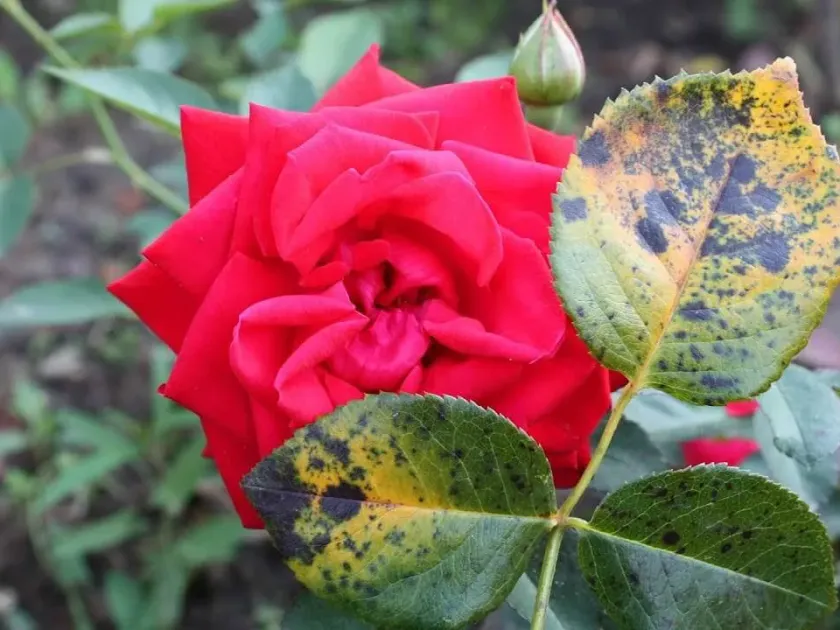
The first symptoms appear as small, circular, black or dark brown spots on the upper surface of the leaves, often surrounded by a characteristic yellow halo.
The spots grow in size and may merge to cover large areas of the leaf surface, which subsequently turns yellow and drops off the plant prematurely.
Tiny black pin-like dots, which are the fungal fruiting bodies (acervuli), can be seen embedded within the black spots on the leaves using a hand lens.
On susceptible rose cultivars, the infection may also manifest as purple or reddish-brown lesions on succulent, young stems, which eventually turn black and crusty.
The process of defoliation usually starts from the bottom of the plant and moves upwards, often leaving the lower stems completely bare by mid-season.
Control measures
Effective management begins with strict sanitation. All fallen leaves must be removed from the soil and destroyed (burned or bagged) to reduce the overwintering inoculum.
Proper plant spacing and selective pruning improve air circulation within the canopy, allowing foliage to dry out quickly after rain, which inhibits fungal spore germination.
A consistent fungicide application program is essential in high-risk areas. Treatments should be started early in the season as a preventive measure rather than a cure.
- Watering at the base of the plant to keep foliage dry.
- Applying preventive fungicides containing sulfur or chlorothalonil.
- Selecting disease-resistant cultivars for new plantings.
In addition to chemical control, balancing soil fertility—avoiding excessive nitrogen and ensuring adequate potassium levels—can strengthen the plant's natural defenses.
Causes diseases · 1
Discussion
No discussions yet — be the first.