
Cercospora leaf spot of pepper
Cercospora capsici
Description
How to identify
Cercospora leaf spot is caused by the fungus Cercospora capsici, which belongs to the kingdom Fungi and the phylum Ascomycota. It is a specialized pathogen targeting pepper plants.
The fungus produces conidia on conidiophores, which are typically bundled together. These spores are easily dispersed by wind, splashing water, or agricultural equipment.
The pathogen overwinters as mycelium or conidia in infected plant debris left in the field or can be introduced through contaminated seed lots.
Once conditions are favorable, the conidia germinate and penetrate the host tissue, establishing an infection that leads to rapid tissue necrosis.
It remains one of the most common foliar diseases in tropical and temperate climates where high humidity and warm temperatures coincide.
What it damages
This pathogen specifically affects plants in the genus Capsicum, primarily cultivated peppers including bell and chili varieties in both field and greenhouse settings.
Damage is manifested as severe foliar blight, which leads to premature senescence and leaf drop, significantly reducing the plant's capacity for photosynthesis.
Severe infections can cause stem lesions and fruit spot, negatively impacting the marketability and overall yield of the pepper crop.
If left unmanaged, the cumulative stress of the infection reduces fruit size, quality, and the number of harvests per season, leading to significant financial loss.
While the disease rarely kills the plant outright, it creates conditions for fruit sunscald due to the loss of protective leaf canopy.
When it appears
The disease flourishes during warm, wet periods of the growing season when high humidity levels persist for several days in a row.
Optimal development for the pathogen occurs at temperatures between 25°C and 30°C, combined with prolonged periods of leaf wetness.
Greenhouse environments are particularly susceptible if irrigation schedules result in high humidity and poor air circulation between pepper rows.
Outbreaks often occur after frequent rainfall, which facilitates the splash dispersal of spores from the soil onto the lower leaves of the plants.
The fungus continues to cycle throughout the season as long as temperatures remain warm and moisture is available on the surface of the plant tissue.
Signs of infestation
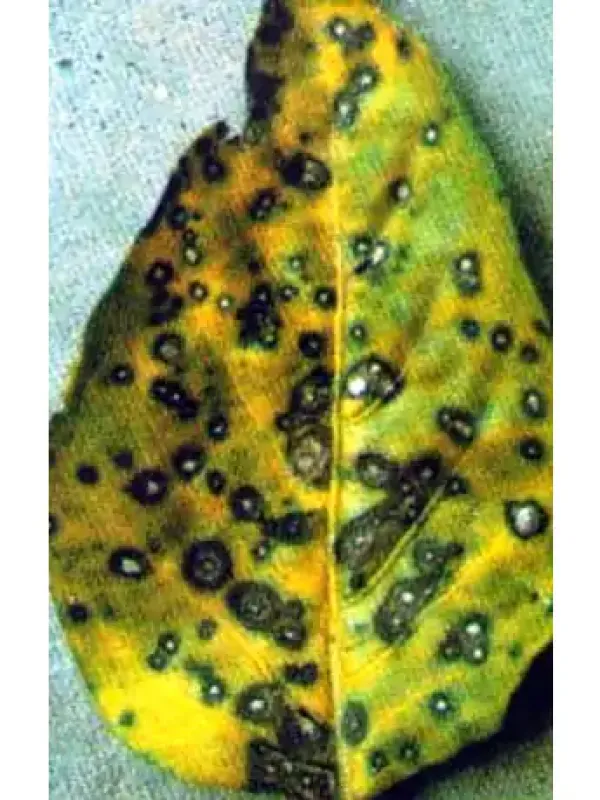
The initial symptoms are small, circular to oval spots on leaves that are initially light-colored but eventually develop a dark brown or black margin.
As the lesions mature, the centers become gray or white, and a characteristic gray-olive mold appears in the center, signifying sporulation.
Leaves that are heavily infested will yellow, wilt, and eventually drop, causing the plant to lose its foliage starting from the bottom of the stem.
Lesions can also form on the petioles and stems, appearing as elongated dark streaks that may weaken the structural integrity of the plant.
- Circular gray spots with dark borders.
- Grayish-olive mold on lesion centers.
- Chlorosis followed by rapid leaf drop.
- Elongated lesions on stems and petioles.
Control measures
Integrated pest management starts with crop rotation, ensuring that peppers are not planted in the same soil for at least three consecutive years.
Strict field sanitation is essential; removing and destroying infected plant debris reduces the primary inoculum for the following season.
Fungicide applications, particularly those containing chlorothalonil, copper compounds, or systemic triazoles, are effective when applied at the first sign of symptoms.
Improving air circulation through wider plant spacing and proper pruning helps to reduce the duration of leaf wetness and inhibits fungal growth.
Drip irrigation is highly recommended to minimize leaf moisture compared to overhead irrigation, which effectively spreads the spores between plants.
Causes diseases · 1
Discussion
No discussions yet — be the first.