
Cephalosporium apii
Cephalosporium apii
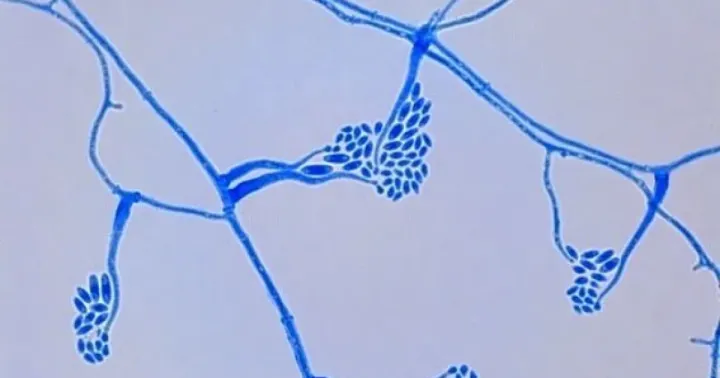
Description
How to identify
The causal agent of this disease is the fungus Cephalosporium apii, which belongs to the kingdom Fungi. It is a soil-borne pathogen that specifically targets the vascular tissue of celery plants.
The fungus acts as a vascular parasite, colonizing the xylem vessels of the plant. By producing mycelium within these tissues, the pathogen restricts the flow of water and essential nutrients to the leaves and stems.
This pathogen has a complex life cycle, surviving in crop residues and soil for several seasons. It is highly resilient to adverse environmental conditions, making long-term control a challenge for farmers.
Dissemination is facilitated by conidia, which can spread through irrigation water, contaminated soil particles moved by equipment, or human activity during cultivation. Prevention of initial spread is key to managing this pathogen.
The fungus thrives in moist environments, particularly in areas with poor drainage or soil compaction. Understanding these ecological needs is essential for effective crop management and site selection.
What it damages
The primary host for Cephalosporium apii is celery, affecting all varieties including celeriac and leaf celery. It attacks the roots and the base of the stems, leading to severe disruption of physiological processes.
The infection results in stunted growth and, in severe cases, plant death. This loss of vitality directly impacts the marketability and yield of the harvest, causing significant economic losses.
In addition to yield loss, the infection can make plants more susceptible to secondary fungal or bacterial pathogens, causing rot and rendering the produce unsalvageable during storage.
Signs of infestation
Initial symptoms are characterized by leaf yellowing and a lack of turgor, commonly referred to as vascular wilt. This yellowing often starts on the outer leaves and progresses inward.
A diagnostic sign is the internal discoloration of the stem's vascular bundles. When cutting the base of the petiole or the crown, you will observe brown streaks in the interior tissues.
As the disease progresses, the plant becomes stunted, with roots turning dark and necrotic. The foliage may dry out completely while the roots disintegrate in the soil.
Control measures
Management of this disease relies heavily on integrated pest management (IPM) strategies. Since curative chemical treatments are limited, the focus must remain on stopping the spread.
- Implement a strict crop rotation schedule, avoiding celery for 3-4 years.
- Use certified, disease-free seed stocks to prevent introduction to new fields.
- Improve soil drainage to prevent the moist conditions that favor fungal growth.
- Remove and destroy all infected plant material immediately upon detection.
- Maintain strict hygiene protocols for agricultural machinery to prevent cross-contamination.
Discussion
No discussions yet — be the first.