
Bean pod mottle virus
Bean pod
Description
How to identify
Bean pod mottle virus (BPMV) is a plant pathogenic virus belonging to the genus Comovirus in the family Secoviridae. It is a significant threat to leguminous crops, particularly common bean and soybean, causing widespread agricultural yield losses.
The virus is an obligate parasite with a single-stranded RNA genome. It relies entirely on the host plant's cellular machinery for replication and systematically spreads through the plant's vascular system, causing long-term damage to the crop's physiological processes.
The primary overwintering reservoirs for BPMV are perennial legumes and volunteer bean plants. The virus remains active in the tissues of these host plants, serving as the primary source of inoculum when temperatures rise in the spring.
Transmission occurs mainly through insect vectors, specifically bean leaf beetles such as Cerotoma trifurcata. Once the beetle acquires the virus, it becomes a vector capable of transmitting the pathogen to healthy plants during the feeding process.
While mechanical transmission (such as through handling or machinery) is theoretically possible, the insect-mediated pathway is the dominant factor in field spread. Monitoring the population density of these beetles is crucial for assessing the risk of infection.
What it damages
BPMV infection leads to severe metabolic disruption, significantly reducing the plant's photosynthetic efficiency. This leads to premature senescence, overall plant stunting, and an increased susceptibility to secondary fungal and bacterial infections.
Early-season infections are particularly damaging. Plants infected at the seedling stage often exhibit drastically reduced growth rates, fewer flowering sites, and poor pod set, resulting in lower yields and poor seed quality at harvest.
The aesthetic and commercial value of the beans is diminished due to pod deformation, mottling, and necrosis. Such produce is frequently rejected for fresh market sale and is unsuitable for high-quality processing, leading to significant financial losses.
In addition to yield loss, the virus weakens the crop's resilience against environmental stress factors like drought or nutrient deficiencies. This compounding stress makes it difficult for farmers to maintain consistent production quality.
The extent of the damage varies depending on the viral strain, the time of infection, and the prevalence of the beetle population. Severe outbreaks can lead to harvest losses exceeding 40-50% in highly susceptible bean varieties.
Signs of infestation
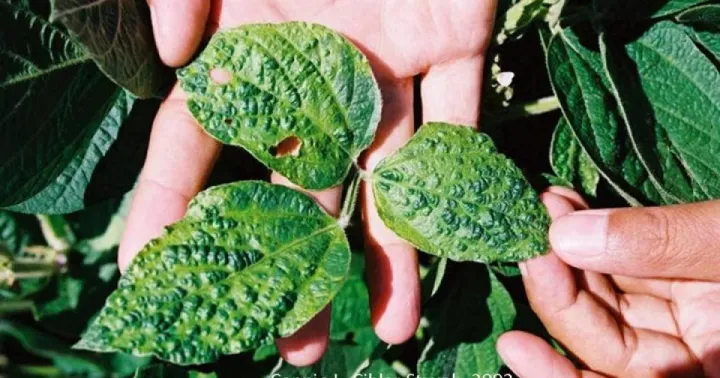
The most characteristic symptom of BPMV is a mosaic pattern on the leaves, featuring irregular patches of light and dark green discoloration. This mottling often spreads across the entire leaf surface, leading to noticeable tissue distortion.
Leaves on infected plants may appear crinkled, curled, or puckered. These morphological changes are caused by uneven growth of the leaf tissues, giving the plants a stunted, bushy appearance compared to healthy, vigorous plants in the field.
Pods often show symptoms such as necrosis, chlorotic spotting, or severe deformation. Because the pods do not develop properly, they are often smaller, twisted, and contain fewer or undersized seeds, which is a major quality defect.
Stunting is a common systemic symptom, characterized by shortened internodes and an overall reduction in plant height. In chronic cases, the plant may remain significantly smaller than its healthy counterparts for the duration of the season.
- Mosaic-like mottling on the foliage
- Leaf curling, crinkling, and distortion
- Necrotic or chlorotic spotting on bean pods
- Overall plant stunting and reduced height
- Reduced seed set and diminished pod quality
Control measures
Direct chemical control of BPMV is not possible since there are no antivirals for plants. Therefore, management must focus on preventing the spread of the virus through vector control and rigorous sanitation practices.
Using certified, virus-free seed is the first line of defense. Ensuring that the planting material has been tested and is free from systemic infection prevents the introduction of the pathogen into new, clean production areas.
Aggressive management of weed hosts and volunteer legumes in and around fields is essential to reduce the primary inoculum. Removing these reservoirs limits the virus's ability to survive between growing seasons.
Farmers should implement a monitoring program for bean leaf beetles and apply appropriate insecticides when pest populations reach economic threshold levels. Protecting the crop during its most vulnerable seedling phase is vital for successful disease management.
Breeding and planting resistant or tolerant bean varieties remains the most effective long-term strategy. Genetic resistance helps plants withstand the virus even if vectors are present, ensuring consistent yield despite the presence of the pathogen.
Discussion
No discussions yet — be the first.