
Bean mild mosaic virus
Bean mild
Description
How to identify
Bean mild mosaic virus (BMMV) is a plant pathogenic virus belonging to the genus Comovirus and the family Secoviridae. This virus is a significant pathogen that affects various leguminous crops, particularly beans, globally.
The virus is characterized by its ability to be seed-borne, meaning that infected seeds serve as the primary source of inoculum in new fields. It poses a persistent threat to agricultural production.
The biological cycle of the virus involves rapid replication within the host plant's cells. Upon entry, the virus utilizes the plant's metabolic machinery to create copies of its RNA, leading to systemic infection throughout the plant.
Transmission in the field is primarily facilitated by insect vectors, specifically beetles (Coleoptera). These insects acquire the virus while feeding on infected tissue and transmit it to healthy plants during subsequent feeding.
Due to the often subtle nature of symptoms, identification usually requires sophisticated diagnostic procedures such as Enzyme-Linked Immunosorbent Assay (ELISA) or Reverse Transcription Polymerase Chain Reaction (RT-PCR).
What it damages
The primary host for this pathogen is the common bean (Phaseolus vulgaris). The virus significantly reduces the photosynthetic efficiency of the plant, which directly impacts the overall growth and yield potential.
Infected crops often exhibit reduced biomass and overall stunting. While plants may survive the infection, the harvestable yield of pods and seeds is markedly lower compared to healthy plants.
The damage extends to the quality of the seeds, which can lead to low germination rates or serve as carriers for the virus in subsequent growing seasons, creating a recurring cycle of infection.
Furthermore, viral infection weakens the plant's natural defense mechanisms, making it more susceptible to environmental stressors such as drought, poor soil fertility, and secondary infections by fungi or bacteria.
Economic losses are cumulative, arising from reduced pod counts, smaller seed size, and the need for costly management practices to prevent the further spread of the virus within the farm.
Signs of infestation
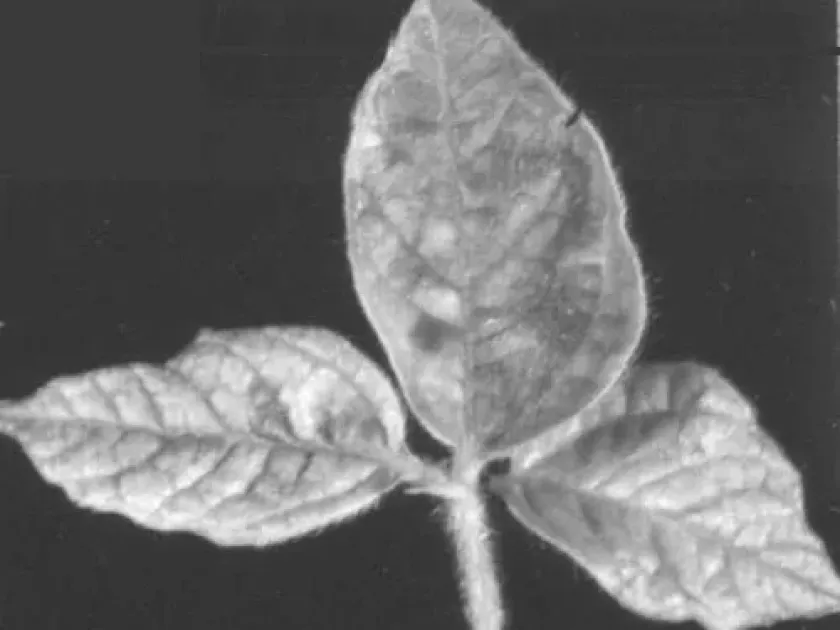
The hallmark symptom of BMMV is a mild mosaic pattern on the leaves, featuring alternating light and dark green patches. Unlike more aggressive viruses, it rarely causes severe leaf distortion.
Early signs often appear as subtle chlorotic mottling on young foliage. As the plant continues to develop, these patches remain visible but generally lack the severe puckering or curling found in other mosaic diseases.
Reproductive success is visibly impacted. Infected plants typically produce fewer flowers and pods, and the pods themselves may be slightly smaller than those produced by healthy specimens of the same cultivar.
Field observation often reveals a scattered pattern of infected plants, which correlates with the migration of beetle vectors. Clusters of infected plants typically indicate a common source or an early point of entry.
A key distinguishing feature is the absence of tissue necrosis. The virus is named for its mild symptom profile, which often leads to the infection going unnoticed until it has already become widespread in the field.
Control measures
The most effective management strategy is the use of certified, virus-free seed stocks. Strict phytosanitary testing of seeds before planting is essential for preventing the introduction of BMMV into new fields.
Vector control is crucial in limiting the spread. Managing populations of bean beetles and other potential insect carriers using integrated pest management (IPM) practices can significantly reduce horizontal spread.
Maintaining proper distance between bean crops and other susceptible legumes, which may act as reservoirs for the virus, helps in isolating the field from potential external infection sources.
Crop rotation and the systematic removal of weeds—particularly wild legumes that might harbor the virus during the off-season—are fundamental to reducing the initial viral load in the environment.
The deployment of resistant cultivars remains the most sustainable approach to controlling BMMV. Plant breeding programs are focused on identifying and incorporating genes that confer immunity or tolerance to the virus.
Discussion
No discussions yet — be the first.