
Bean dwarf mosaic virus
Bean dwarf
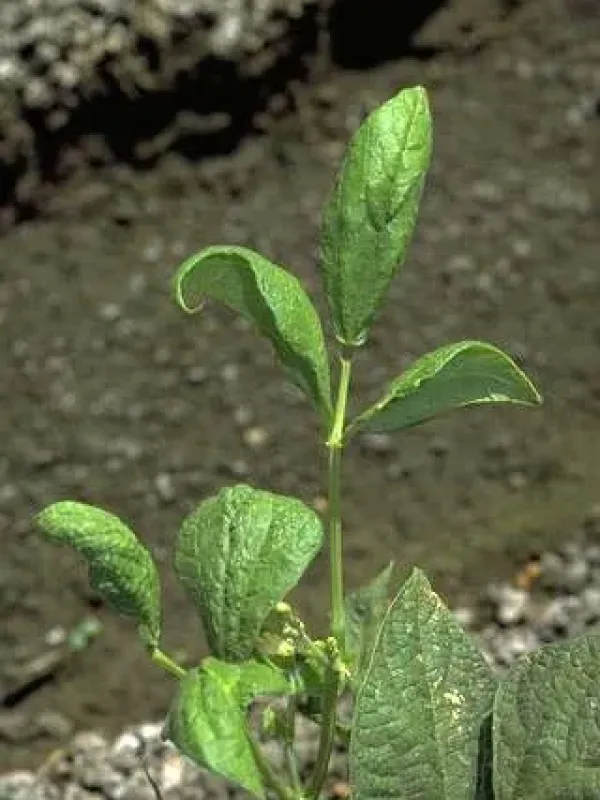
Description
How to identify
Bean dwarf mosaic virus (BDMV) is a significant plant pathogen belonging to the genus Begomovirus, family Geminiviridae. This virus is characterized by a single-stranded circular DNA genome that causes systemic infection in host plants.
The virus is primarily transmitted by the silverleaf whitefly (Bemisia tabaci) in a persistent, circulative manner. It is not seed-transmitted, meaning the primary source of outbreaks is local movement of viruliferous insect vectors.
Geographically, this virus is most prevalent in tropical and subtropical regions. The environmental conditions in these areas are conducive to year-round populations of the whitefly vector, maintaining the virus cycle.
The biology of the virus involves replication within the nuclei of host plant cells. This process interferes with the normal division and expansion of cells, leading to the characteristic stunted appearance of the infected plants.
Field identification requires vigilance, but confirmation typically demands laboratory assays such as PCR or ELISA. Distinguishing BDMV from other legume viruses is crucial for selecting the appropriate management strategy.
What it damages
Common bean (Phaseolus vulgaris) is the primary economic host for BDMV. Other legume species, including soybeans, can also be affected, making this a significant threat to pulse production in impacted regions.
The economic impact is primarily driven by yield reduction. Infected plants often fail to produce a harvestable yield, and those that do produce pods often show significantly reduced quality and quantity of seeds.
The virus impacts the overall vigor of the crop, making it less resilient to external stresses like drought, nutrient deficiency, or secondary fungal infections. This leads to early plant decline and crop failure.
In cases of early-season infection, plants remain extremely small and stunted. These plants contribute nothing to the total yield and act as secondary inoculum sources for the remainder of the field.
The damage extends to the physiological level, where reduced photosynthetic capacity limits the plant's ability to fill pods. The end result is a high percentage of non-marketable, shriveled, or malformed beans.
Signs of infestation
Symptoms of BDMV infection typically include a distinct mosaic pattern on the leaves. This pattern manifests as a patchy distribution of light-green and dark-green areas, often accompanied by leaf puckering.
The most diagnostic feature is the severe dwarfing of the plant. Infected beans exhibit shortened internodes, resulting in a low-growing, bushy architecture that is clearly distinguishable from healthy, vigorous plants.
Leaf margins often curl downwards, and the foliage may become chlorotic as the virus progresses. In severe cases, the leaf surface becomes crinkled and brittle, limiting the plant's capacity for photosynthesis.
Reproductive success is severely hampered. Infected plants show reduced flowering, and the pods that manage to form are usually small, twisted, and contain very few, if any, fully developed seeds.
As the disease matures, plants often show generalized yellowing and premature senescence. This is often mistaken for early ripening, though the plant is essentially dying due to systemic viral interference.
Control measures
The primary control strategy centers on managing the whitefly population. Systemic insecticides are frequently employed early in the season to prevent the initial colonization and spread of the virus by insect vectors.
Sanitation practices, such as the elimination of weeds that harbor the whitefly or serve as viral reservoirs, are essential for field hygiene. Managing field borders and adjacent areas reduces the influx of infected insects.
Strategic planting times can help avoid periods of peak whitefly activity. By timing the growth cycle to miss these population spikes, farmers can reduce the total incidence of infection within their crop.
Utilizing physical barriers, such as row covers in small-scale production, can effectively exclude the vectors. In larger fields, crop rotation and the use of healthy, virus-free sites are highly recommended.
Genetic resistance is the most sustainable solution. Breeding programs focused on BDMV-resistant cultivars provide a long-term approach to minimizing crop loss without relying heavily on chemical inputs.
Discussion
No discussions yet — be the first.