
Bean common mosaic virus
Bean common
Description
How to identify
Bean common mosaic virus (BCMV) is a significant plant pathogen belonging to the genus Potyvirus within the Potyviridae family. It is a single-stranded RNA virus known for its wide distribution and ability to severely impact agricultural productivity.
The virus is transmitted by aphids, which act as vectors, moving the pathogen from infected plants to healthy ones. It can also be transmitted mechanically during field operations or through contact between infected and healthy foliage.
Seed transmission is a critical factor in the epidemiology of the disease. The virus is capable of surviving within the seed embryo, which means that infected seeds serve as the primary source of the virus in a newly planted crop.
The pathogen exhibits significant genetic diversity, leading to the development of various strains that can overcome certain types of plant resistance. Diagnosis is typically conducted through laboratory analysis, such as ELISA or PCR, to confirm infection.
Environmental factors, particularly temperature, play a key role in the development of the virus. Warm conditions promote both the growth of host plants and the activity of aphid populations, facilitating faster spread of the infection throughout the field.
What it damages
The primary host of BCMV is common bean (Phaseolus vulgaris). However, the virus also affects other legumes, including soybeans and various types of beans, which can serve as secondary hosts or reservoirs for the pathogen.
Infection results in systemic spread throughout the plant, severely disrupting normal physiological functions. This leads to impaired photosynthesis and nutrient transport, which are essential for pod and seed formation.
Economic damage is substantial, with yield losses often ranging from 50% to 80% in susceptible cultivars. Infected plants may fail to produce marketable pods, and the overall plant vigor is significantly reduced.
The quality of seeds harvested from infected plants is severely compromised. These seeds often show reduced germination rates and are the main vehicle for the spread of the virus into the next growing season, necessitating stringent seed testing protocols.
Secondary infections are more likely to occur in virus-weakened plants. The stress caused by BCMV makes the crop more susceptible to various opportunistic bacterial and fungal pathogens, further exacerbating the negative impact on yield.
Signs of infestation
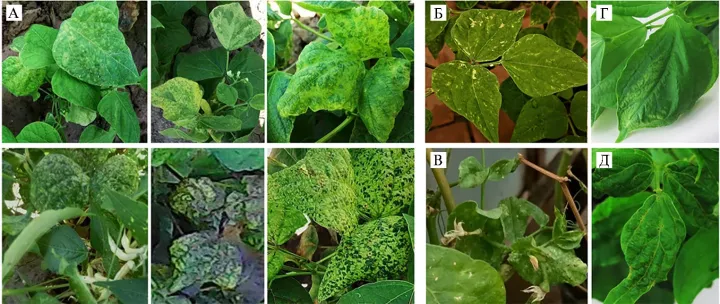
The most recognizable symptom is a mosaic pattern on the leaves, characterized by alternating patches of light green and dark green tissue. This is often accompanied by leaf distortion, curling, and puckering.
Affected plants frequently exhibit stunting and shortened internodes. In susceptible cultivars, systemic infection can lead to leaf rolling and, in severe cases, the development of dark stripes on the stems and leaf petioles.
- Mosaic leaf mottling (light/dark green patches).
- Downward curling of leaf margins.
- Stunting of the entire plant or specific shoots.
- Reduced pod set and formation of malformed pods.
- Premature flower or bud drop.
Some strains of the virus can cause a severe necrotic reaction, leading to the death of the growing point and potential collapse of the plant. This response is particularly devastating when it occurs in the early stages of plant development.
While symptoms are often clearly visible, they can be masked by extreme heat, where plants may show fewer visible signs of the virus while still maintaining a high internal viral load that continues to affect development and yield.
Control measures
The primary control measure is the use of healthy, certified, virus-free seeds. Ensuring the starting material is free from BCMV is the most effective way to prevent early-season outbreaks in the field.
Choosing resistant cultivars is a key component of integrated pest management. Breeders continuously work to develop varieties that can withstand common and emerging strains of the virus, reducing the need for chemical interventions.
Managing aphid populations is crucial for limiting the spread of the virus within and between fields. The timely application of appropriate insecticides can help reduce the frequency of virus transmission by vectors.
Implementing proper agricultural practices, such as spatial isolation of seed production fields from commercial bean crops, helps minimize the risks of cross-contamination and the introduction of the virus from surrounding areas.
Effective weed control is also essential, as many common weeds can harbor the virus or act as hosts for aphids. Removing these reservoirs during and after the growing season helps keep the overall environment less conducive to viral spread.
Discussion
No discussions yet — be the first.