
Barley yellow dwarf
Barley yellow
Description
How to identify
Barley yellow dwarf is caused by the Barley yellow dwarf virus (BYDV), which is a member of the Luteoviridae family. This virus contains a single-stranded RNA genome and is enclosed in a protein capsid.
It is an obligate parasite that lacks mechanical transmission capability. The virus is exclusively transmitted by various species of cereal aphids through their feeding process on host plants.
The virus resides specifically in the phloem tissue of infected plants. It spreads systemically throughout the plant, disrupting the translocation of nutrients from leaves to roots.
There are several distinct strains of the virus, each with specific preferences for certain aphid vectors, which influences the distribution and severity of the disease in different regions.
Taxonomically, the virus is classified within the genus Luteovirus, which is known for systemic infections that profoundly impact the physiological state of graminaceous hosts.
What it damages
The virus infects a wide range of monocotyledonous plants, including barley, wheat, oats, rye, and various wild grass species that serve as viral reservoirs.
Economic damage is most severe when infection occurs at the seedling stage. Early infection stunts root development and reduces the overall vigor of the crop.
During the grain-filling stage, the virus causes significant reductions in yield by decreasing both the number of grains per spike and the individual grain weight.
Affected plants often show poor tillering or abnormal development, leading to a thin canopy and lower biomass production, which translates into lower profitability for farmers.
In high-incidence years, losses can reach up to 50% of the total harvest, depending on the crop cultivar's susceptibility and the timing of the initial aphid infestation.
Signs of infestation
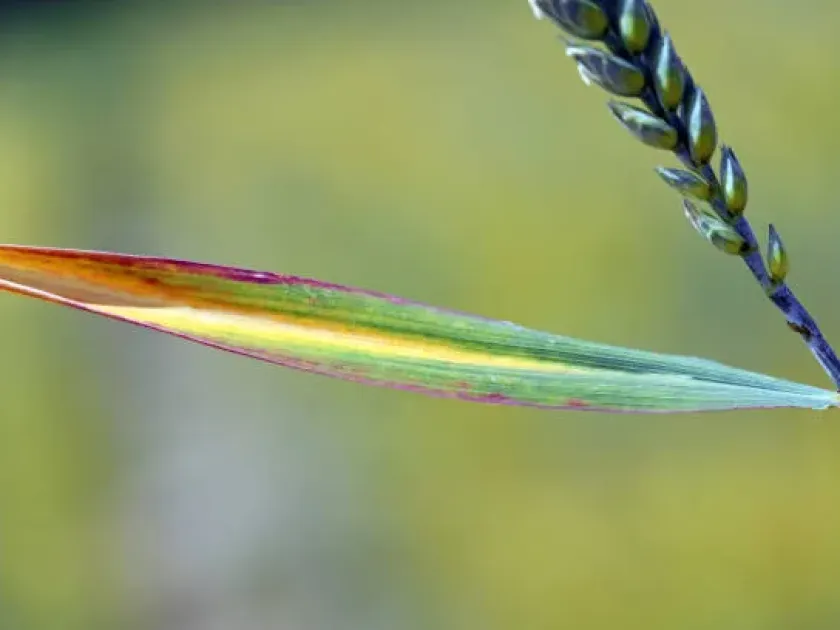
The most recognizable symptom is a characteristic yellowing or reddening of the leaves. In barley, this usually manifests as a vibrant golden-yellow discoloration.
In wheat and oats, the leaf tips and margins often turn a deep reddish or purple color, reflecting the buildup of anthocyanins due to metabolic disruptions.
Stunting is a hallmark of the disease, with infected plants exhibiting shortened internodes that create a stiff, upright, and dwarfed growth habit.
Infected plants often appear in irregular patches within the field, reflecting the initial colonization patterns of winged aphids carrying the viral inoculum.
The symptoms often become more pronounced under cool and cloudy weather conditions, which are also favorable for aphid movement and viral replication within the plant.
Control measures
Management strategies primarily focus on controlling aphid vectors. Applying systemic insecticides during the early stages of crop emergence is crucial for preventing initial outbreaks.
Adjusting planting dates is a highly effective cultural practice; delayed planting for winter crops can help avoid the peak migration period of aphid vectors.
Eliminating volunteer cereals and grassy weeds is essential, as these plants act as a green bridge for the virus during the gaps between cropping seasons.
Cultivating resistant or tolerant crop varieties remains the cornerstone of sustainable management, offering long-term protection without relying solely on chemical inputs.
Regular field scouting using yellow sticky traps or visual inspections allows growers to assess aphid pressure and make informed decisions regarding timely insecticide application.
Discussion
No discussions yet — be the first.