
Barley yellow dwarf virus
Barley yellow
Description
How to identify
Barley yellow dwarf virus (BYDV) is a serious plant pathogen within the family Luteoviridae, genus Luteovirus. It is an obligate parasite that does not spread mechanically but depends entirely on insect vectors.
The virus consists of an icosahedral particle containing single-stranded RNA. It is strictly phloem-limited, meaning it replicates only in the conductive tissues of the host plant, disrupting nutrient transport.
Aphids are the primary vectors of BYDV. The virus is acquired through ingestion while feeding on infected plants and is subsequently transmitted to healthy plants via the aphid's saliva.
Different strains of the virus exhibit specific preferences for different aphid species, such as Rhopalosiphum padi or Sitobion avenae, which dictates its regional spread patterns.
Once an aphid acquires the virus, it remains a carrier for the rest of its life, allowing it to distribute the pathogen across large areas during seasonal migrations.
What it damages
BYDV affects a wide range of monocot species, including barley, wheat, oats, rye, and triticale, as well as many wild grass species which act as a reservoir for the disease.
Barley and oats are typically the most susceptible crops, often showing the most severe stunting and discoloration, which directly correlates to major grain yield losses.
The virus causes physiological systemic infection. By blocking the phloem, it prevents carbohydrates produced in the leaves from reaching the roots and the grain heads.
Severe infestations lead to stunted plant growth, failure to head, and the production of small, shriveled grains, resulting in significantly lower test weights and milling quality.
In addition to yield reduction, infected plants show increased susceptibility to secondary infections and environmental stresses like winterkill due to weakened root systems.
When it appears
The disease cycle is driven by the migration of aphids. Primary infections usually occur in the autumn for winter crops, often leading to severe overwintering losses.
Spring infection occurs when aphid populations build up and migrate to young spring-sown crops. Cool, moist weather conditions favor both aphid reproduction and virus transmission.
The virus cycle within the plant begins shortly after aphid feeding. It rapidly moves from the point of entry into the phloem and spreads throughout the entire vascular system.
Infection in the field often appears in patches, corresponding to where viruliferous aphids initially landed and began to feed and reproduce, eventually spreading across the whole plot.
Late-season infection often has less impact on final yield, as the crop has already reached a stage of development where the disruption of transport has limited effect on grain filling.
Signs of infestation
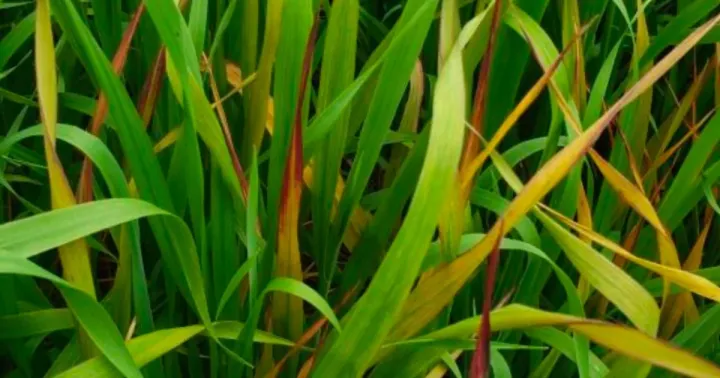
The hallmark symptoms of BYDV include characteristic leaf discoloration, which starts at the tips and progresses downward, turning yellow in barley or red/purple in oats.
Stunting is a key indicator: infected plants appear shorter than healthy ones, with reduced tiller numbers, shortened internodes, and a generally bushy, rigid appearance.
- Severe stunting and reduced height.
- Yellowing or reddening of leaf tips and margins.
- Delayed maturity and failure to form healthy heads.
- Increased susceptibility to winter injury.
- Upward curling or rolling of the leaf blades.
Visual diagnosis is often complicated by the fact that symptoms can mimic nutrient deficiencies, such as nitrogen or phosphorus starvation, requiring lab tests for confirmation.
Wheat cultivars may show more subtle symptoms, such as mild chlorosis or reduced vigor, which can lead to underestimation of the disease prevalence in a field.
Control measures
The most effective management strategy is the control of aphid vectors. Using insecticidal seed treatments or foliar sprays can protect crops during the critical early growth stages.
Cultural practices include adjusting planting dates to avoid peak aphid migration periods, which significantly reduces the probability of initial infection in autumn.
Managing the "green bridge" by eliminating volunteer grains and grass weeds before planting is essential to remove the primary reservoirs of the virus and aphid populations.
Planting resistant or tolerant cereal varieties is the most sustainable long-term approach to mitigating the damage caused by the Barley yellow dwarf virus.
Field monitoring using yellow sticky traps helps track aphid migration, allowing farmers to time their interventions precisely and avoid unnecessary insecticide applications.
Discussion
No discussions yet — be the first.