
Rice balancer
Balansia oryzae-sativae
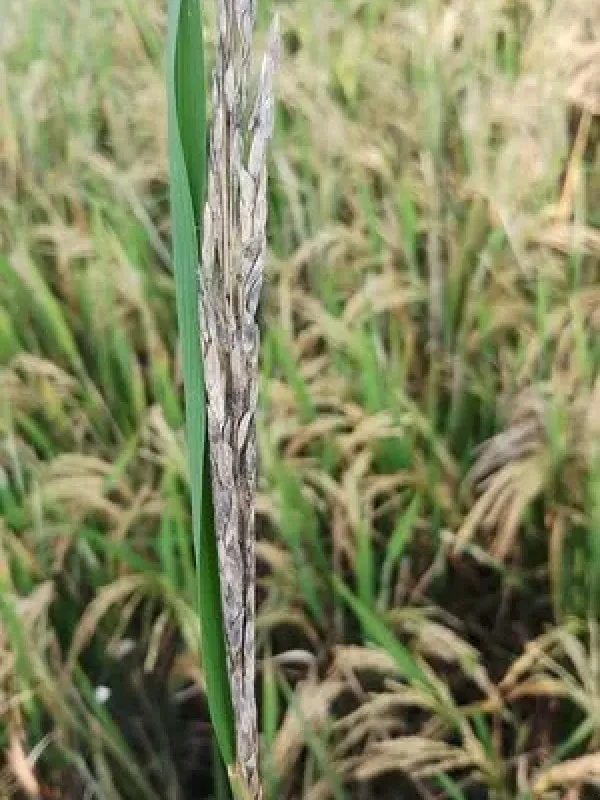
Description
How to identify
Balansia oryzae-sativae is an ascomycete fungus belonging to the Clavicipitaceae family. This phytopathogen acts as a specialized parasite that targets wild and cultivated grass species, particularly rice.
The fungus is characterized by the development of specific stromata that form on leaf sheaths and stems of the infected host. During its life cycle, the pathogen transitions through asexual spore production (anamorph) and sexual reproduction (teleomorph), eventually developing perithecia.
To identify the species in a laboratory setting, agronomists perform microscopic analysis of fungal spores and morphological structures. In the field, the pathogen is typically diagnosed by characteristic stem structural changes and the presence of dense, hardened fungal growths.
The pathogen is highly host-specific and often exhibits systemic infection patterns. The fungal mycelium penetrates plant tissues, disrupting normal metabolic processes and interfering with the development of the host's reproductive organs.
Studying the biology of Balansia oryzae-sativae is essential for rice breeding programs, as resistance to this fungus is becoming a critical factor for sustainable agriculture in humid climates.
What it damages
The primary host is Oryza sativa, though wild grasses near rice paddies can also be affected. The pathogen inflicts significant damage by parasitizing the vegetative parts of the plant, leading to reduced overall vitality.
Infection results in the deformation of stems and leaf sheaths, which hinders nutrient transport throughout the plant. Consequently, the growth of the aerial parts is stunted, directly impacting biomass accumulation.
The most severe economic impact is a reduction in total grain yield, as the plant redirects energy resources to support the fungal development rather than filling the panicles. In some cases, flower sterility can occur.
Economic losses are compounded by grain quality degradation, often making the crop unsuitable for commercial processing. The disease poses a severe risk when conditions favor an epiphytotic outbreak.
Damage to leaf sheaths disrupts photosynthesis, leading to premature tissue necrosis. This reduction in photosynthetic efficiency lowers the plant's overall tolerance to other environmental stressors.
When it appears
Disease development is closely tied to the growth stages of rice and regional climatic conditions. The infection spreads most actively during periods of high relative humidity and moderate temperatures.
The life cycle includes the dispersal of conidia via wind and water splashes to healthy plants. Spring weather marks the onset of primary infection for young shoots.
Visible symptom peaks often coincide with the tillering and stem-elongation phases. During these windows, environmental conditions are typically optimal for the colonization of tissues by the fungal mycelium.
The duration of the infection season depends on weather variability; prolonged rainy spells significantly accelerate the pathogen's reproductive rate. Conversely, hot and dry weather can arrest or slow down fungal progression.
After the harvest, the pathogen persists in crop residues, surviving the off-season as sclerotia or dormant mycelium, ensuring its presence for the following growing cycle.
Signs of infestation
The initial signs of Balansia oryzae-sativae infection manifest as whitish or grayish fungal growth on leaf sheaths. Over time, these areas harden and transform into solid, structural stromata.
A hallmark sign of the disease is the bending or twisting of the plant stem at the site of fungal activity. Affected sections become brittle, which may lead to lodging within high-density infection pockets.
- Formation of raised, often brown or black stromata on stems.
- Loss of leaf coloration due to interrupted nutrient pathways.
- Delayed heading and deformation of the panicle structure.
- Reduced plant stature compared to healthy specimens in the field.
During scouting, agronomists should prioritize checking areas with uneven rice growth. The pathogen is easily detectable through close inspection of the lower stem portions.
Distinguishing these symptoms from other cereal diseases requires professional phytopathological analysis, as external signs may overlap with various other fungal infections.
Control measures
The primary control strategy involves the use of certified, disease-free seed material. Rigorous seed cleaning and treatment protocols are essential to prevent initial field colonization.
Agrotechnical measures include strict adherence to crop rotation cycles, which disrupt the pathogen's life cycle by eliminating the continuous presence of the host. Post-harvest destruction of crop residues is also critical.
Water management in rice systems plays a significant role in control; preventing excessive stagnation during critical growth stages can limit the environmental favorability for spore dispersal.
Chemical control involving broad-spectrum fungicides may be applied during peak growth phases if the risk of epiphytotic development is high. Treatment must align with local integrated pest management (IPM) guidelines.
Breeding and utilizing rice cultivars with genetic resistance to Balansia oryzae-sativae remains the most sustainable and long-term solution for controlling the disease in industrial rice production.
Causes diseases · 1
Discussion
No discussions yet — be the first.