
Phytopathogenic bacteria
Bacterium
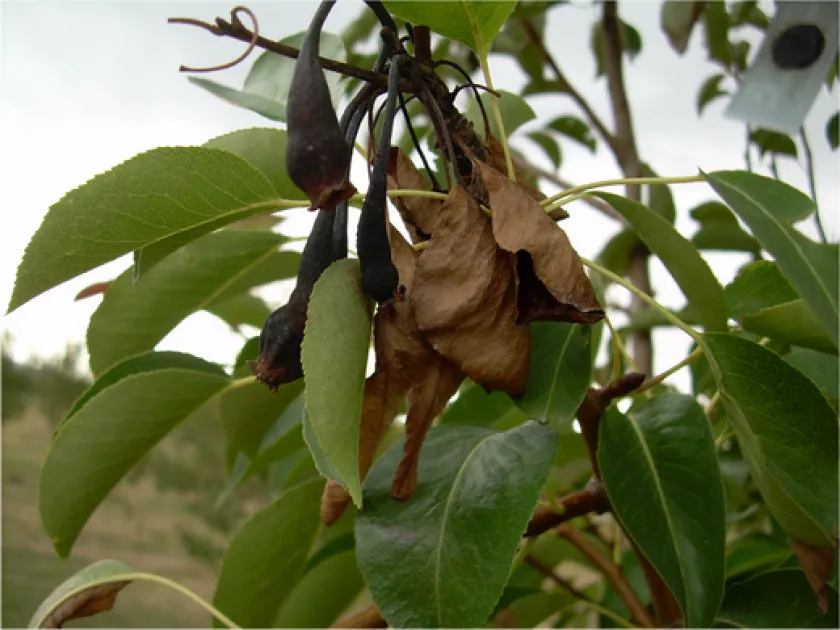
Description
How to identify
Phytopathogenic bacteria are prokaryotic microorganisms belonging to the kingdom Bacteria that cause various plant diseases. Common genera involved in crop damage include Erwinia, Pseudomonas, Xanthomonas, and Agrobacterium.
These pathogens function as either obligate or facultative parasites. They invade plant tissues through natural openings like stomata and hydathodes, or through wounds created by insects, mechanical damage, or extreme weather conditions.
Upon entry, bacteria multiply rapidly in the intercellular spaces. They secrete cell-wall-degrading enzymes such as pectinases and cellulases, which break down plant cell structure and lead to the development of necrotic lesions or tissue maceration.
Diagnostic identification typically involves observing physical signs, such as bacterial streaming in water or the presence of bacterial ooze. Molecular methods like PCR are often required for precise strain identification in professional plant pathology.
The biological success of these bacteria lies in their short generation time, enabling them to reach high population densities and cause severe epidemics in susceptible plant populations under suitable environmental conditions.
What it damages
Phytopathogenic bacteria affect a wide range of economically important crops, including vegetables, fruits, cereals, and ornamental plants. The symptoms and severity depend on both the host crop and the specific bacterial species.
Significant damage occurs through systemic infections, which lead to plant wilting and death, or localized lesions, such as bacterial leaf spots, which reduce the photosynthetic area and overall plant vigor.
Bacterial soft rot is particularly destructive, as it can spread rapidly through entire batches of produce in storage facilities, turning firm tissues into a foul-smelling, mushy mass in a short period.
Beyond yield loss, these pathogens pose a threat to international trade due to quarantine regulations. Infected plant material can become a carrier, spreading the disease to new regions or countries.
The economic impact of bacterial diseases is multifaceted, involving reduced product quality, increased production costs for pesticides, and the complete loss of marketable harvest in severe cases.
When it appears
High humidity and moderate temperatures are the most critical factors for the development of bacterial diseases. Rain splashes and water films provide a medium for bacterial movement and dispersal across fields.
Most phytopathogenic bacteria thrive in temperatures between 15°C and 30°C. Seasonal spikes in disease incidence often correlate with rainy periods or overhead irrigation practices that maintain surface moisture on leaves.
Survival occurs through winter in crop debris, contaminated soil, or as latent infections in dormant plant materials like tubers, seeds, or perennial rootstocks. This persistence complicates eradication efforts.
Insects play a dual role in the disease cycle, both by causing mechanical injury that facilitates bacterial entry and by actively carrying the bacteria between infected and healthy plants.
The management of environmental factors, such as improving drainage and airflow, is essential to decrease the duration of leaf wetness and limit the spread of these pathogens during the growing season.
Signs of infestation
A hallmark sign of a bacterial infection is the presence of bacterial ooze, a milky or colored liquid containing millions of bacterial cells that exudes from infected tissues under high humidity.
Leaf spots caused by bacteria are often angular because their growth is physically restricted by the leaf veins. These spots may show a water-soaked, greasy appearance before turning necrotic or brown.
Vascular wilt symptoms involve the clogging of xylem vessels by bacterial masses, leading to a sudden loss of turgor in the plant, yellowing of foliage, and eventual collapse of the entire plant or specific branches.
Bacterial cankers on stems or fruits appear as corky or sunken lesions. When stems are cut, they may show brown discoloration and, in some cases, the production of foul-smelling fluids.
- Water-soaked, greasy-looking lesions.
- Bacterial ooze or streaming from cut tissues.
- Sudden wilting without prior foliage discoloration.
- Foul-smelling soft rot of tubers or fruits.
Control measures
Integrated Pest Management (IPM) is the best approach to control bacterial diseases, focusing primarily on prevention because chemical control options are limited once the infection is established.
The use of certified, disease-free seed and high-quality planting material is the first line of defense. Crop rotation serves to reduce the soil-borne inoculum level by depriving the bacteria of their host plants.
Sanitation practices, such as removing infected crop residues and cleaning agricultural machinery and pruning tools with disinfectants, are crucial for preventing cross-contamination within the field.
Copper-based bactericides can be used as a protectant to prevent bacterial colonization on leaf surfaces; however, they must be applied preventively, prior to the onset of the infection window.
Effective management of insect vectors and maintaining optimal storage conditions—specifically cool and dry environments—are vital strategies to minimize both field infections and post-harvest losses.
Discussion
No discussions yet — be the first.