
Phytopathogenic bacteria
Bacteria
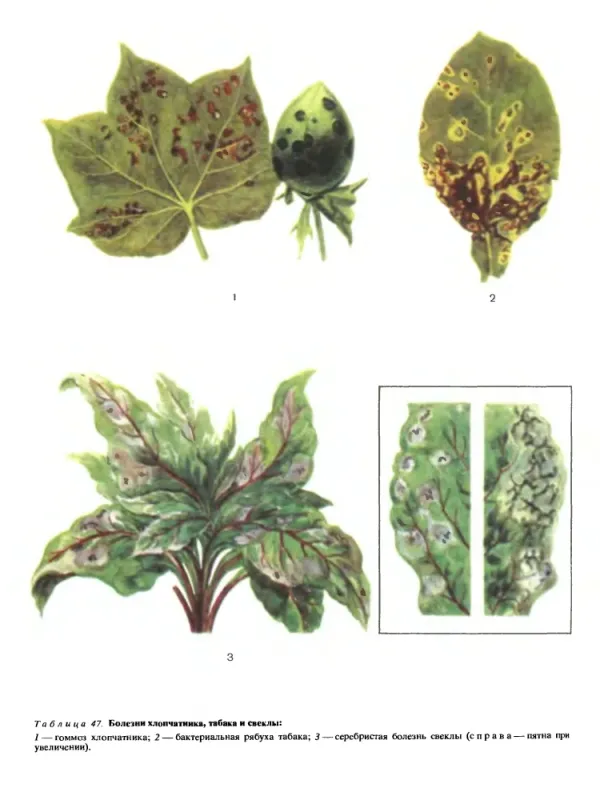
Description
How to identify
Phytopathogenic bacteria are prokaryotic microorganisms belonging to the Bacteria domain that act as causal agents of various plant diseases. Unlike fungi, they are unicellular and rely on specialized mechanisms, such as secretion systems, to infect and colonize host plant tissues.
Major genera of phytopathogenic bacteria include Pseudomonas, Xanthomonas, Erwinia, and Agrobacterium. These pathogens can be found inhabiting intercellular spaces (apoplast), xylem vessels, or parenchyma, causing significant damage by utilizing plant nutrients and producing phytotoxins that degrade cellular structures.
What it damages
Bacterial diseases have a massive impact on global agriculture, affecting everything from cereal crops and legumes to fruit trees and ornamental plants. The damage is manifested through leaf spots, blights, wilting, soft rots, and the development of abnormal growths such as galls.
Severe infections can lead to total crop failure, particularly in high-moisture environments. Beyond field loss, bacterial soft rots often devastate harvested commodities in storage, rendering produce unmarketable and spreading infection rapidly through crates and storage facilities.
When it appears
The spread of bacterial pathogens is highly dependent on environmental conditions, specifically moisture and temperature. Warm temperatures ranging from 20°C to 30°C coupled with high humidity create the perfect environment for rapid bacterial multiplication and movement through water films on leaf surfaces.
Pathogens survive the off-season in infected plant debris, soil, or within seeds. Initial transmission often occurs via wind-blown rain, irrigation water, or insect vectors that carry the bacteria from plant to plant, leading to secondary infection cycles during the active growing period.
Signs of infestation
Diagnosis of bacterial infections is often based on identifying symptoms distinct from fungal or viral pathologies. The most recognizable signs include localized necrosis with watery, greasy halos and systemic wilting without typical wilting-fungi mycelium present.
- Water-soaked, translucent spots on leaves.
- Bacterial ooze or exudate visible on the surface of infected stems or leaves.
- Foul-smelling tissue necrosis (typical for soft rots).
- Discoloration and browning of vascular bundles seen in cross-sections of stems.
Control measures
Management of phytopathogenic bacteria is primarily preventive, as chemical treatments have limited curative potential. The foundation of control lies in the use of pathogen-free seeds, disease-resistant cultivars, and strict quarantine practices to prevent the introduction of new strains.
Field sanitation is critical: removing and destroying infected plants prevents the inoculum from building up in the soil. Furthermore, integrated pest management (IPM) to control insect vectors and the application of copper-based bactericides can effectively mitigate the spread of these pathogens in agricultural settings.
Discussion
No discussions yet — be the first.