
Australian grapevine viroid
Australian grapevine
Description
How to identify
The Australian grapevine viroid (AGVd) is a small, circular, single-stranded RNA pathogen belonging to the genus Apscaviroid within the family Pospiviroidae. Unlike viruses, these pathogens consist only of RNA and lack any protein coat, making them highly resilient in the field.
The viroid relies on the host's machinery to replicate within the plant cells. It does not encode any proteins, yet its replication process interferes with the normal physiological and metabolic functions of the grapevine, leading to systemic infection.
Diagnosis of AGVd is challenging because the infection is often latent, meaning plants show no symptoms for extended periods. Detection relies on sensitive molecular techniques, primarily RT-PCR (Reverse Transcription Polymerase Chain Reaction) and Northern blot hybridization.
Because the viroid is easily transmitted through mechanical means, such as pruning tools contaminated with infected sap, diagnostic testing is crucial in vineyard management and nursery certification programs to prevent silent spread.
Phytosanitary inspection involves sampling various tissues, including leaves, shoot tips, and dormant canes, to ensure the pathogen is not present in propagation material before it reaches commercial production fields.
What it damages
The primary host for this pathogen is the grapevine (Vitis vinifera). The infection affects a wide range of cultivars used for both table grapes and wine production, posing a significant risk to vineyard longevity and productivity.
AGVd infection causes gradual vine decline. Over time, the affected plants exhibit reduced vigor, which makes them more susceptible to other biotic stressors, such as fungal diseases, and abiotic stressors, such as drought or frost damage.
Yield loss is a direct consequence of reduced fertility and impaired flower development. Infected vines often produce fewer and smaller clusters, with berries that fail to ripen properly, negatively impacting juice quality and sugar accumulation.
The pathogen disrupts the vascular system, hindering the transport of water and essential nutrients from the roots to the canopy. This metabolic disruption leads to early senescence and reduced storage of carbohydrates in the perennial parts of the vine.
In the long run, the presence of the viroid forces growers to remove entire vineyard blocks. The economic impact includes the loss of investment in the vines and the high cost of site remediation before replanting.
Signs of infestation
Visible symptoms of AGVd infection include stunting and the shortening of internodes. Affected shoots appear weak and often fail to lignify (harden) properly before the onset of winter, increasing the risk of cold-weather injury.
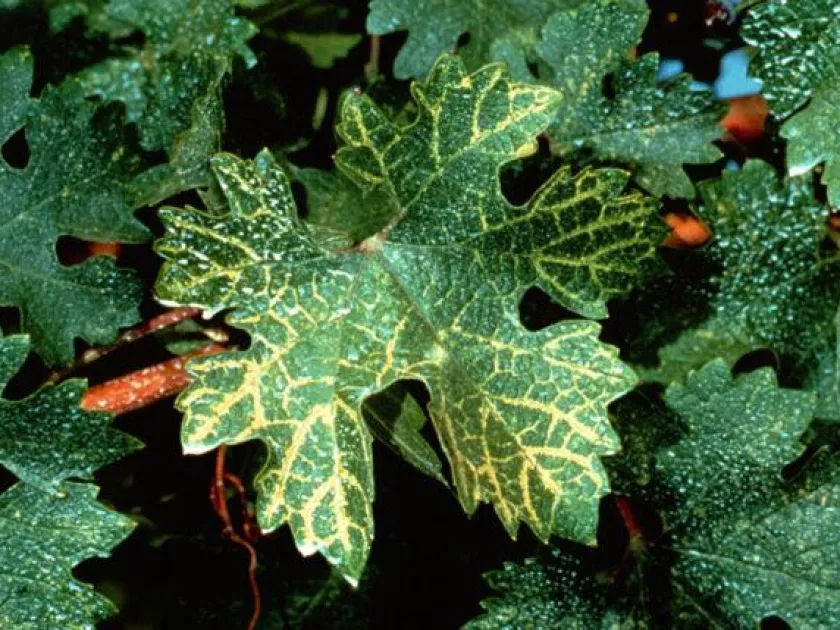
Leaf symptoms such as chlorosis (yellowing), mosaic patterns, or marginal curling may occur. However, these symptoms are non-specific and can be easily confused with nutritional deficiencies or damage from other grape viruses.
A notable sign of severe infection is the development of bushy or proliferated shoots emerging from the nodes. This abnormal growth reduces the airflow within the vine canopy, creating a microclimate favorable for fungal pathogens.
Inflorescences on infected vines are frequently underdeveloped, leading to poor fruit set and significant berry abscission. The resulting clusters are typically sparse, unevenly matured, and have low commercial value.
It is important to emphasize that many vines remain asymptomatic. Such "silent" carriers are particularly dangerous as they can easily spread the infection throughout a vineyard through common viticultural practices.
Control measures
The most effective management strategy is the use of high-quality, certified virus-tested planting material. Sourcing vines from nurseries that adhere to strict sanitary protocols is the only way to avoid introducing the viroid into new areas.
Sanitation practices are essential for preventing mechanical transmission. Pruning tools must be disinfected after every vine with solutions capable of inactivating RNA, such as diluted bleach or appropriate commercial disinfectants.
Regular monitoring and roguing (removal) of symptomatic or test-positive vines are necessary to reduce the inoculum pressure in the vineyard. Removed plants should be burned or destroyed properly to ensure the pathogen does not persist in the soil or debris.
While there are no chemical treatments to cure an infected vine, managing the surrounding vineyard environment, including controlling potential vectors or weed hosts, helps mitigate the rate of spread.
- Use certified virus-free nursery stock.
- Implement strict disinfection of pruning equipment.
- Conduct regular molecular testing of mother vines.
- Promptly rogue and destroy infected plants.
- Practice integrated pest management to reduce secondary stress on vines.
Causes diseases · 1
Discussion
No discussions yet — be the first.