
Aureobasidium zeae
Aureobasidium zeae
Description
How to identify
Aureobasidium zeae is a fungal plant pathogen belonging to the phylum Ascomycota and class Dothideomycetes. It is an asexual fungus that specializes in infecting maize (corn) crops, significantly impacting their development.
The fungus is known for its ability to produce spores (conidia) which are disseminated by wind and splashing rain. This mode of transmission allows for rapid spread throughout a field, especially during wet growing seasons.
The pathogen survives the winter in the form of mycelium and spores on crop residues, such as corn stalks and leaves left on the soil surface after harvest, providing a consistent source of inoculum.
It thrives in humid, temperate environments. The development of the fungus is tightly synchronized with the growth stages of corn, targeting the leaves as they reach maturity.
Systematically, this species is classified as a specific parasite of Zea mays, though it shares morphological characteristics with other members of the Aureobasidium genus.
What it damages
Aureobasidium zeae primarily affects corn, attacking leaves during the mid-to-late vegetative stages. In severe cases, it can cause premature senescence of the entire plant.
The fungus damages the plant by killing leaf tissue, which inhibits photosynthesis. This reduction in energy production leads to decreased grain filling and lower overall yields per hectare.
Beyond the loss of leaf area, the presence of the pathogen weakens the plant, making it more susceptible to lodging and secondary infections that further degrade plant health.
The severity of damage depends on the environmental conditions; persistent moisture during the grain-filling stage can lead to substantial losses if the disease becomes epidemic.
Economic losses are cumulative, involving reduced yield, lower quality of harvested grain, and increased operational costs required for disease management and mitigation.
Signs of infestation
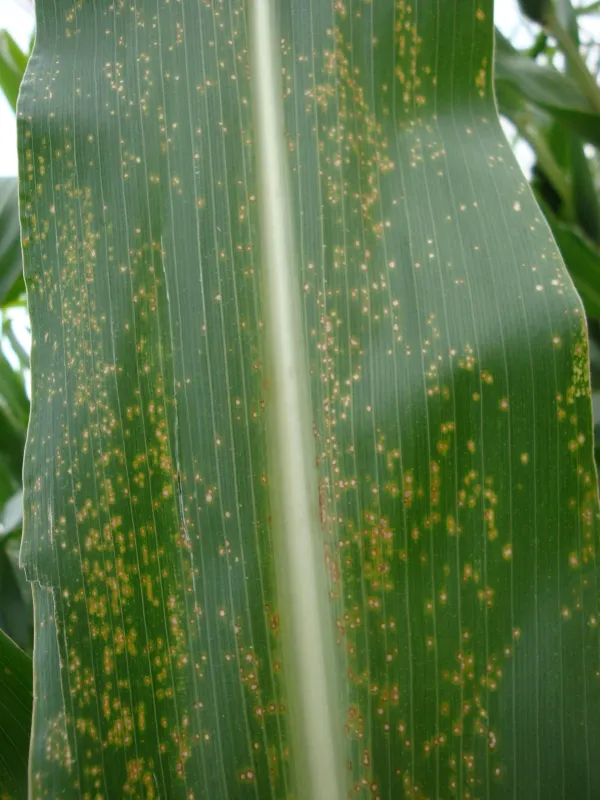
The disease is commonly referred to as "eye spot" due to the characteristic circular lesions that form on the leaves. These spots typically feature a pale center surrounded by a dark brown or black ring.
Individual spots are usually small (1–6 mm in diameter), but when infection is high, these lesions coalesce, covering large parts of the leaf surface and causing it to wither and die.
The lesions appear first on lower leaves and progress upward as the fungus spreads. On the underside of the leaves, under humid conditions, one might observe a grayish mold composed of spores.
Necrosis is a common final stage, where the leaf tissue dries out and becomes brittle. This visual indicator helps distinguish eye spot from other fungal diseases like gray leaf spot.
Early identification of these "eye" patterns is critical for growers to make timely decisions regarding fungicide application before the infection spreads to the upper canopy.
Control measures
Crop rotation is the primary defense strategy. Avoiding planting corn in the same field for at least two consecutive years significantly reduces the local population of the fungus.
Tillage practices that incorporate crop debris deep into the soil help accelerate the decomposition of infected residues, thereby reducing the amount of overwintering inoculum.
Selecting corn hybrids with demonstrated resistance to eye spot disease is the most sustainable long-term solution to mitigate risk in areas with a history of the pathogen.
Fungicide applications, when warranted by weather forecasts and scouting reports, can effectively manage the disease if applied during the early onset of symptoms.
Maintaining balanced soil fertility, particularly adequate levels of potassium, can improve the plant's natural defense mechanisms, making it less vulnerable to A. zeae attacks.
Causes diseases · 1
Discussion
No discussions yet — be the first.